Hardware Projects
Expansion cards, emulators and repairs for the home computers and educational computers I grew up with, built in my spare time. I am not an electrical engineer, so do not expect state-of-the-art hardware design - but everything here works, most of it is open hardware, and some of it found an audience. The designs, firmware and build instructions are on Github; build logs are on Hackaday.io, and there are videos of nearly every project on my YouTube channel.
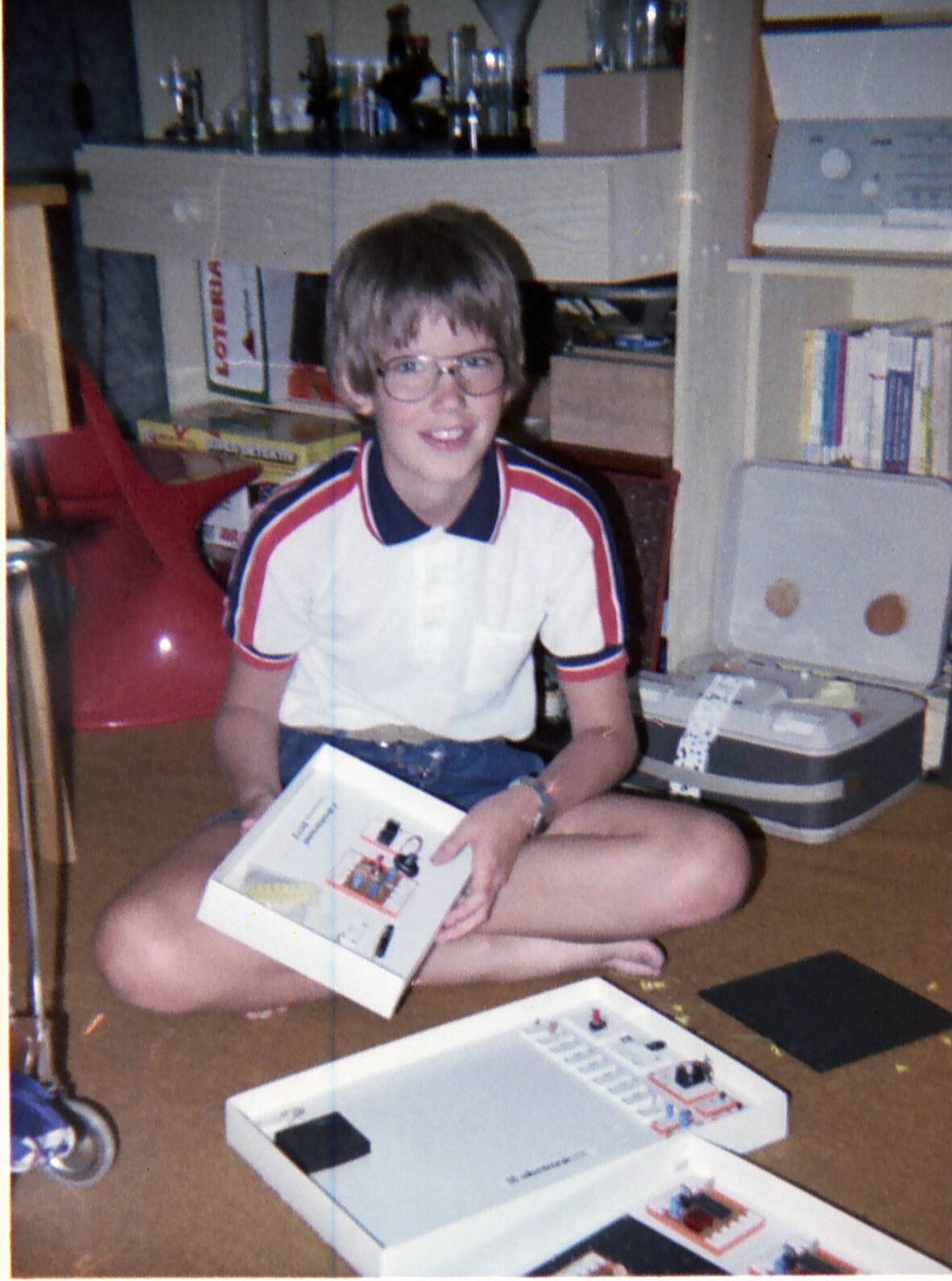
Hardware was my first passion. As a kid in Hamburg in the early 1980s, all I had were my Busch electronics kits and a soldering iron. Now and then I went downtown to Baderle or Balü Elektronik, in the Mönckebergstraße and the Chilehaus, or to Conrad Electronic in Wandsbek - none of them exist any longer - to buy LEDs, transistors, resistors, perfboard and a project box, and built one of the Busch circuits for real. When I was 12, I built a circuit from the Busch 2060 manual for real: the "Bleistiftstrich-Orgel" (pencil-line organ), a little two-transistor audio oscillator that is played by touching a thick pencil line - the manual notes that it reacts to very high resistances and also works as a touch sensor. I put it into a battery-powered box with two metal screws on top as touch contacts instead of the pencil line, a power switch, an ON LED and a loudspeaker: the harder you touched the screws - and the more humid your hands were - the higher the pitch. But DIY hardware was expensive and mostly out of reach. PCBs had to be etched at home, and an oscilloscope or even a digital voltmeter was out of the question. Then came the Busch Microtronic, and from 1983 on I concentrated on programming and software. Later I followed the hardware projects in the magazine CPC International, but I never had the means or the equipment to build them.
That changed around 2017, when affordable PCB manufacturing became available to hobbyists, and electronics test equipment became a commodity - my Hantek DSO oscilloscope is inexpensive. And cheap, powerful microcontrollers - the ATmega chips of the Arduino, the STM32 Blue Pill, the Raspberry Pi Pico - make a lot of it possible in the first place: a single chip and a bit of firmware now do what once took a board full of logic chips. Since then I have taken the DIY hardware hobby seriously, and have been committed to learning how to design and build hardware. More than 35 hardware projects later, this is what the work has received:
- 14 articles on the Hackaday front page (2019 - 2026), and many featured projects on Hackaday.io - the Microtronic Phoenix was featured for about three months
- 6 articles on Hackster.io, and 3 on the Adafruit blog
- wins in the Hackaday Reinvented Retro Contest 2021, RetroChallenge 2021/10, the Grand Prize of RetroChallenge 2023/10, and the 2020 TRS-80 Double-Do Competition
- second place among 230 entries in the Hackaday Retrocomputing Challenge 2026 for the Microtronic Phoenix - a true team effort of Jason T. Jacques, Decle and myself; the collaboration is what made this project possible - and three honorable mentions in its "Old Iron" category, for the VZ-200 Lazarus daughter board, the Kosmos CP1 Towers of Hanoi on an LED matrix and the Philips MC6400 vector graphics
We live in a golden age for DIY hardware - and agentic AI such as Claude Code adds a whole new dimension to what a single hobbyist can take on. Awesome times.
Claude Code-assisted marks projects that Claude Code worked on with me - the code, the firmware and the write-up - with me directing and testing. Extended by Claude Code marks my own hardware for which Claude Code wrote, extended or refactored some of the programs; the hardware and firmware are mine.
Elsewhere on the Web
|
Demonstrations of nearly all of my hardware and software projects - the retro computer expansions, the Microtronic emulators, the old and new programs, and my Vintage Computer Festival tables.
|
|
Source code, schematics, PCB designs, firmware and documentation of my projects - as lambdamikel on Github.
|
|
Build logs and project pages of the hardware projects, including some that have no repository.
|
The Microtronic Story
|
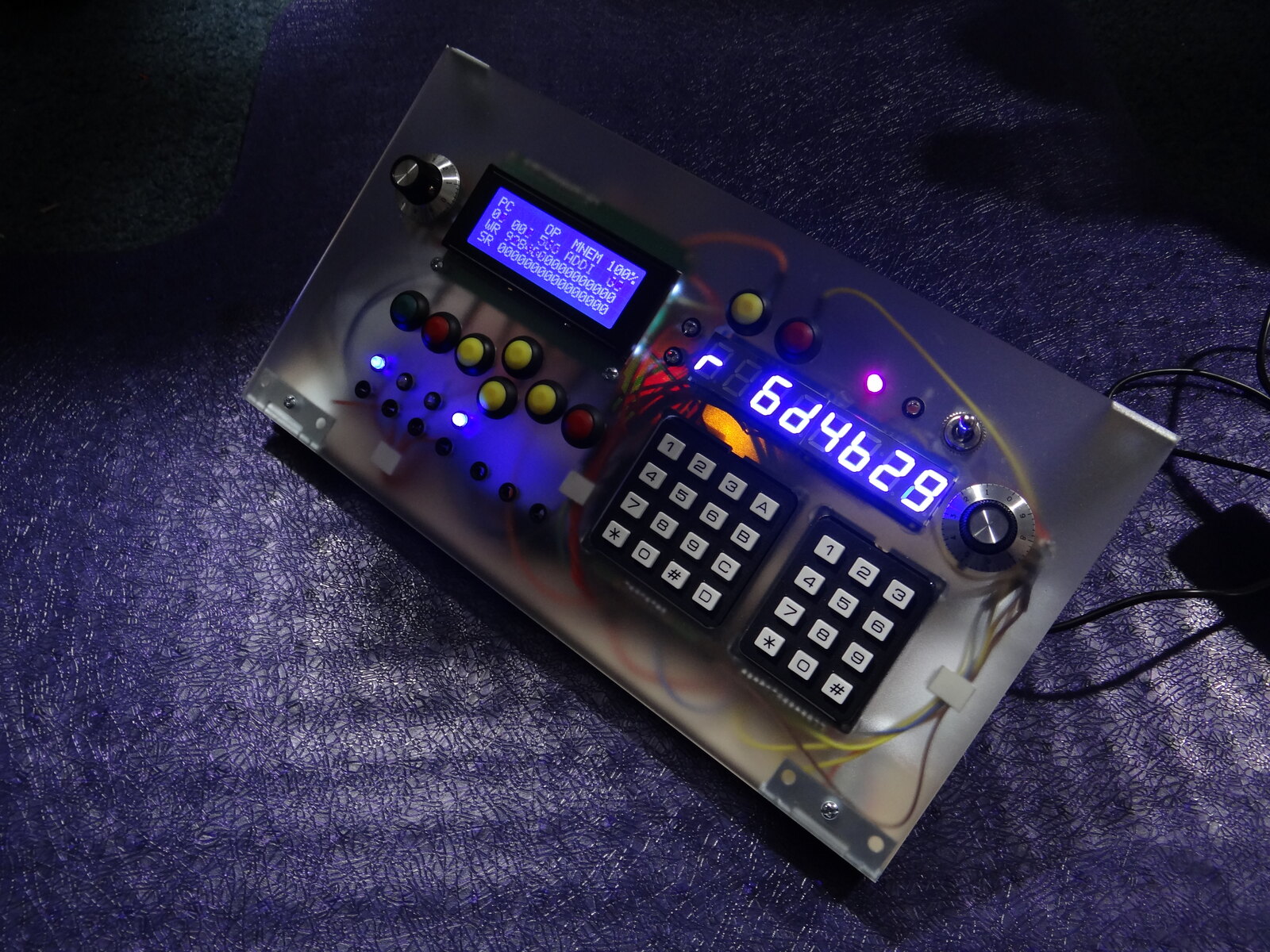
The Busch Microtronic 2090 of 1981 was my first computer, and it is the main theme of my hardware projects. This log follows them from the first Arduino emulator in January 2016 to the Next Generation, the PicoRAM 2090, the Microtronic Phoenix and the emulator in the web browser. There is also a homage to the Microtronic in German, written for its 35th anniversary.
|
Amstrad / Schneider CPC YouTube playlist: Amstrad CPC
|
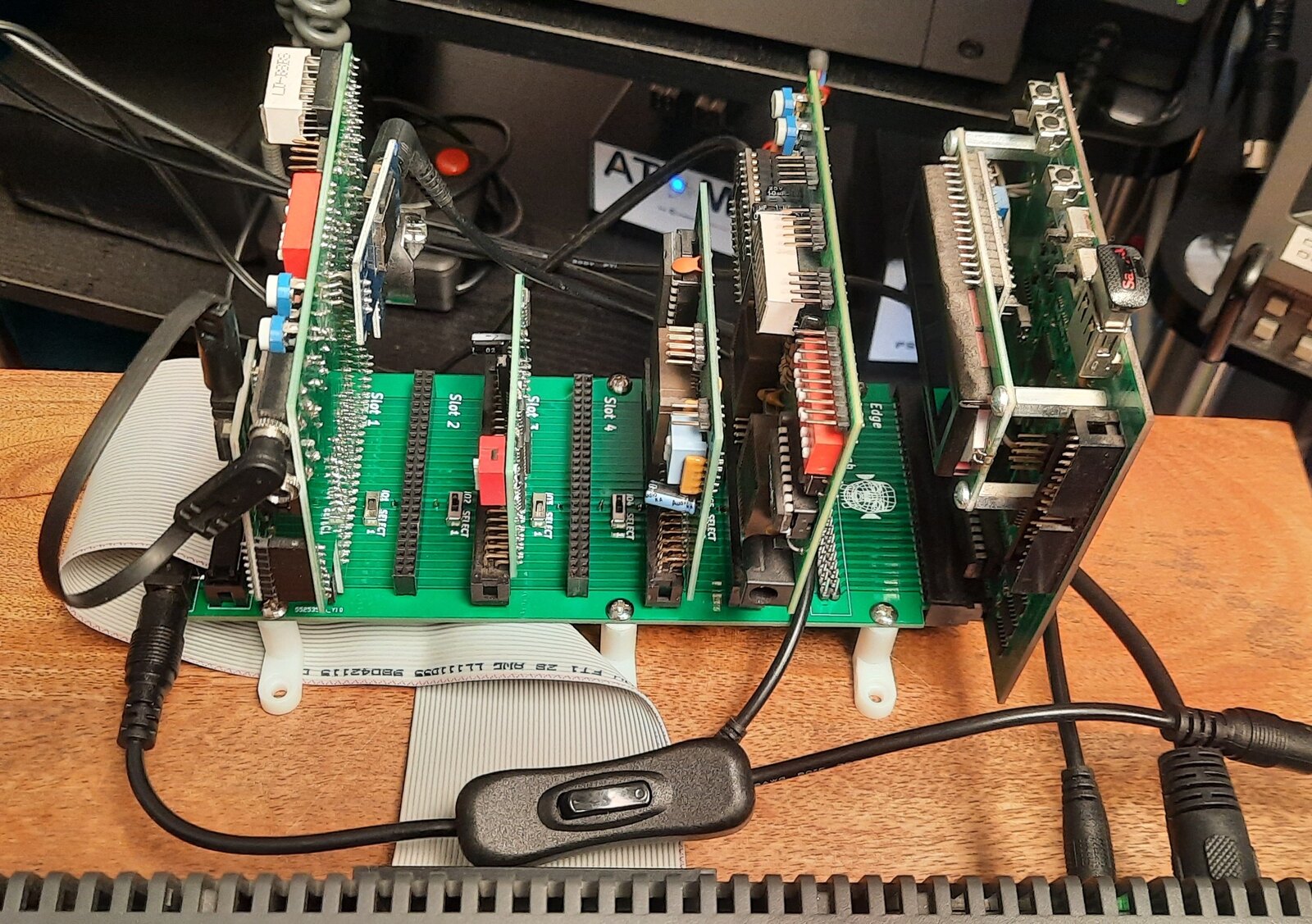
MegaLambda x6
07/2023
The Ultimate Backplane for the Amstrad CPC. Ready-built MegaLambdas are sold by the CPC store HobbyRetro.com.
|
|
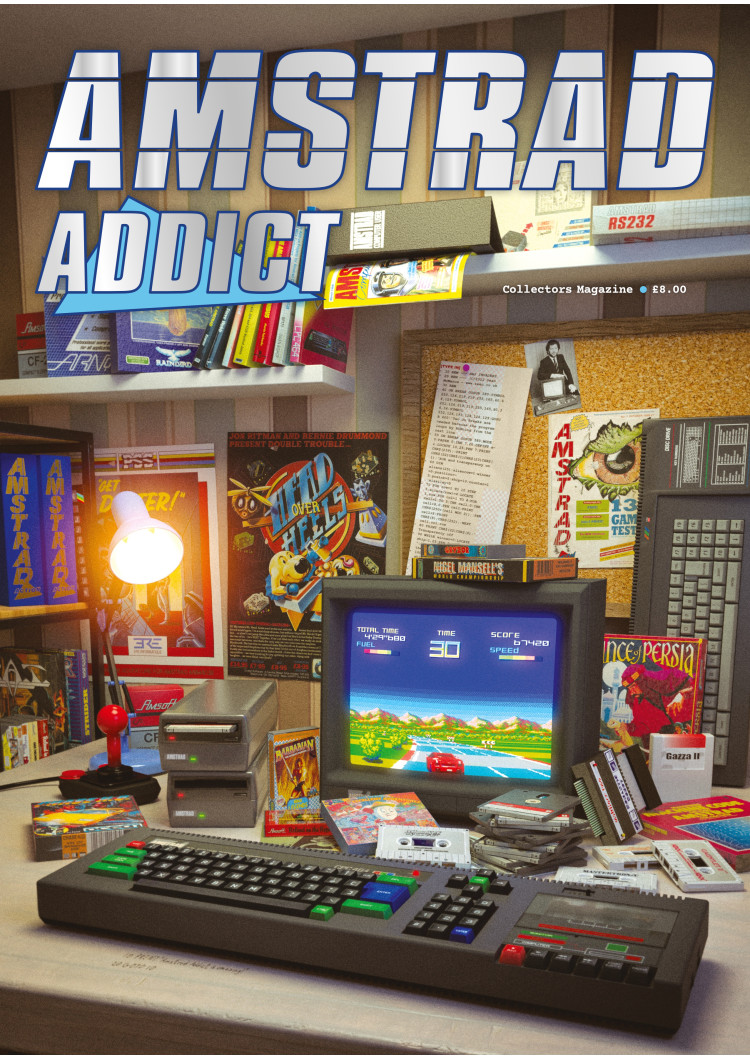
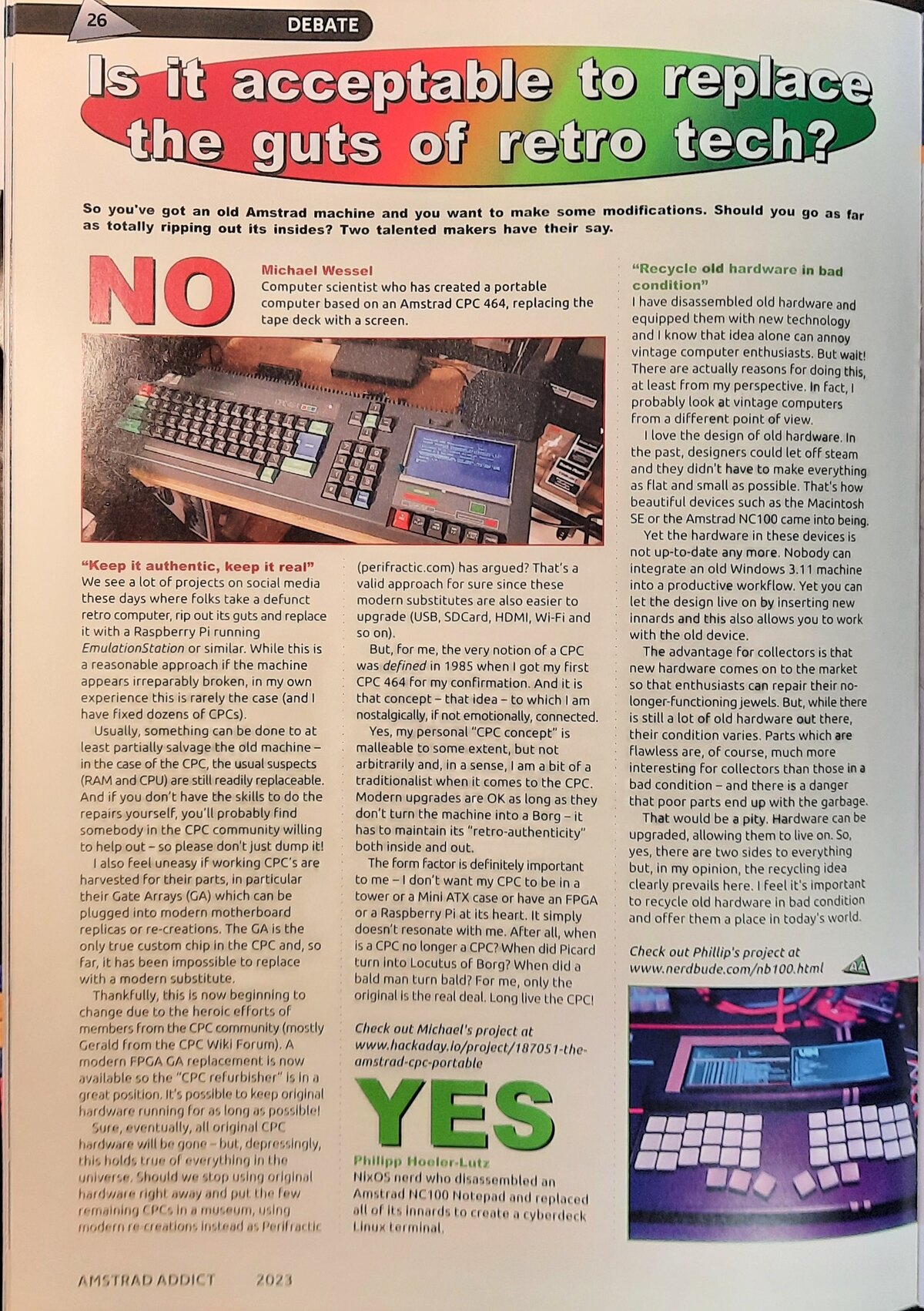
My debate column in the Amstrad Addict magazine (2023)
The Amstrad CPC Portable
08/2022
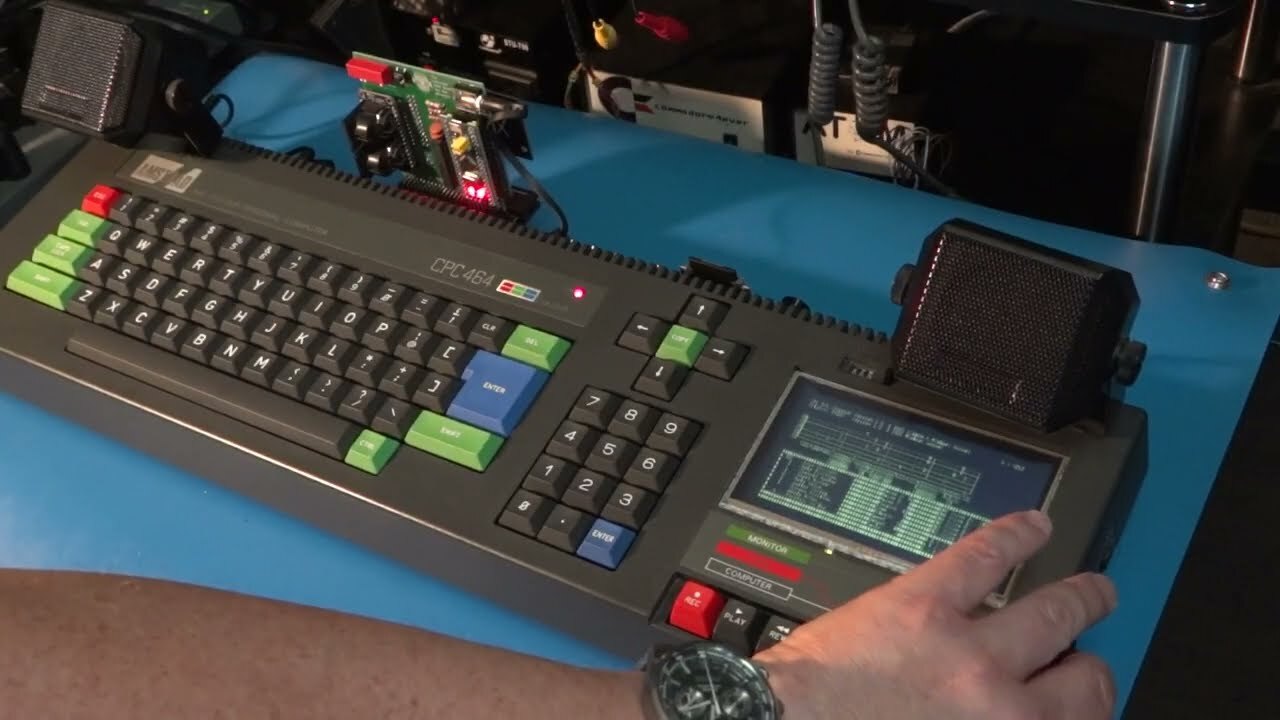
A battery-powered, all-in-one portable Amstrad CPC 464.
|
|
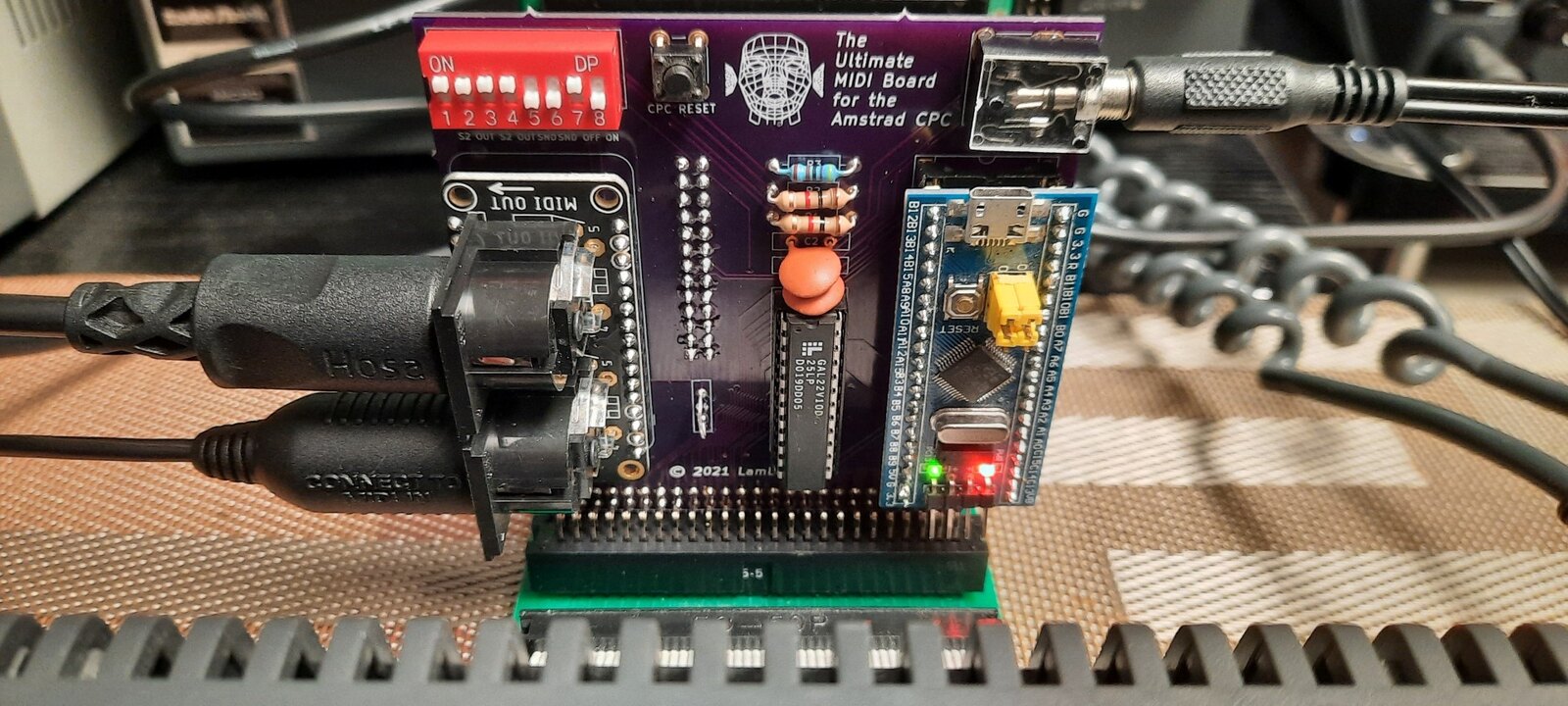
An Extension Board for the Amstrad CPC based on the Blue Pill Microcontroller. It turns the CPC into a MIDI sound card and interface.
|
|
LambdaSpeak FS
12/2020
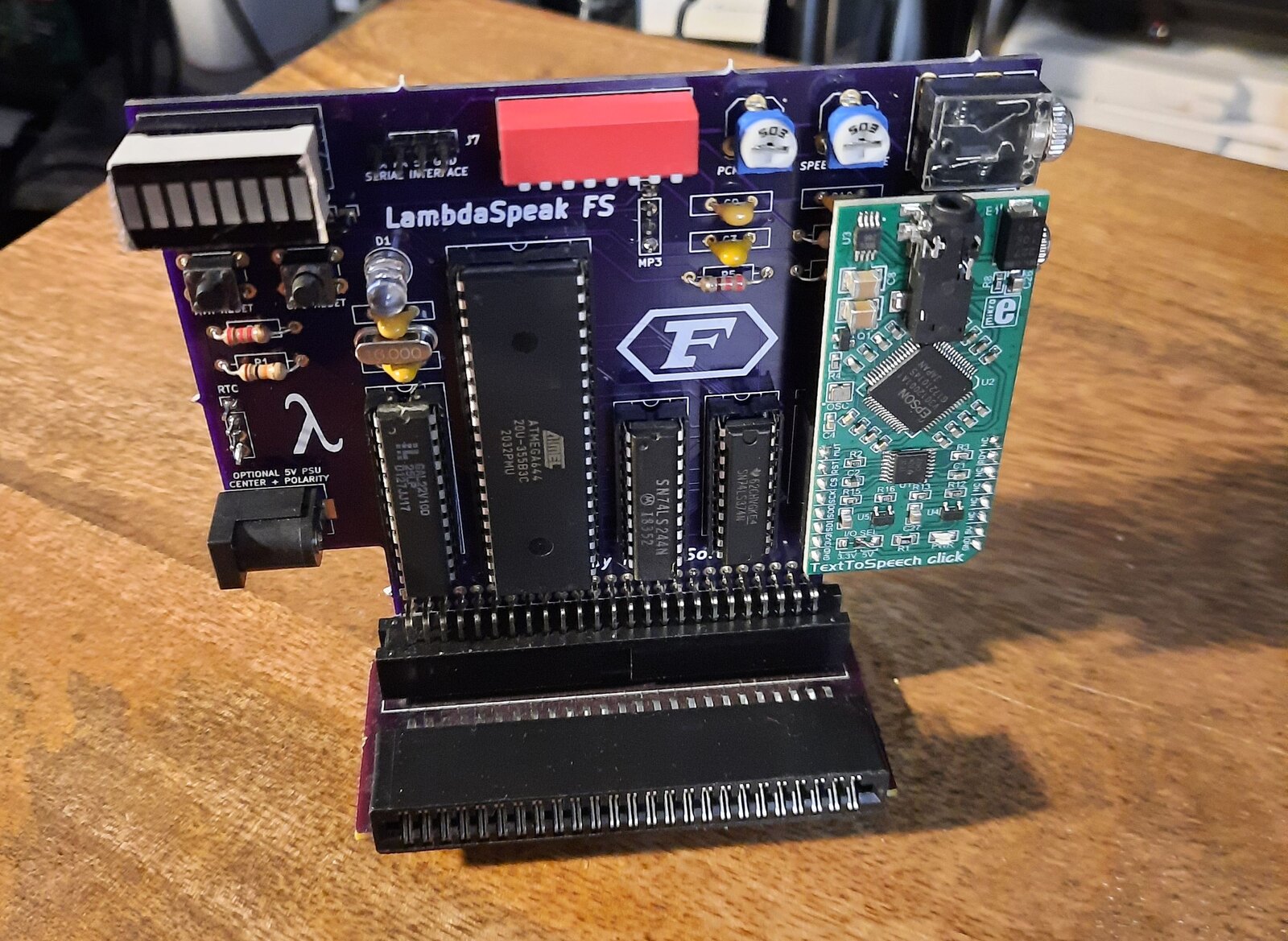
A Speech Synthesizer, PCM Sample Player, UART Serial Interface, and Real Time Clock for the Amstrad / Schneider CPC: LambdaSpeak 3 without the SP0256-AL2, tuned for clean PCM sound.
|
|
CPC Disk Adapter
12/2019
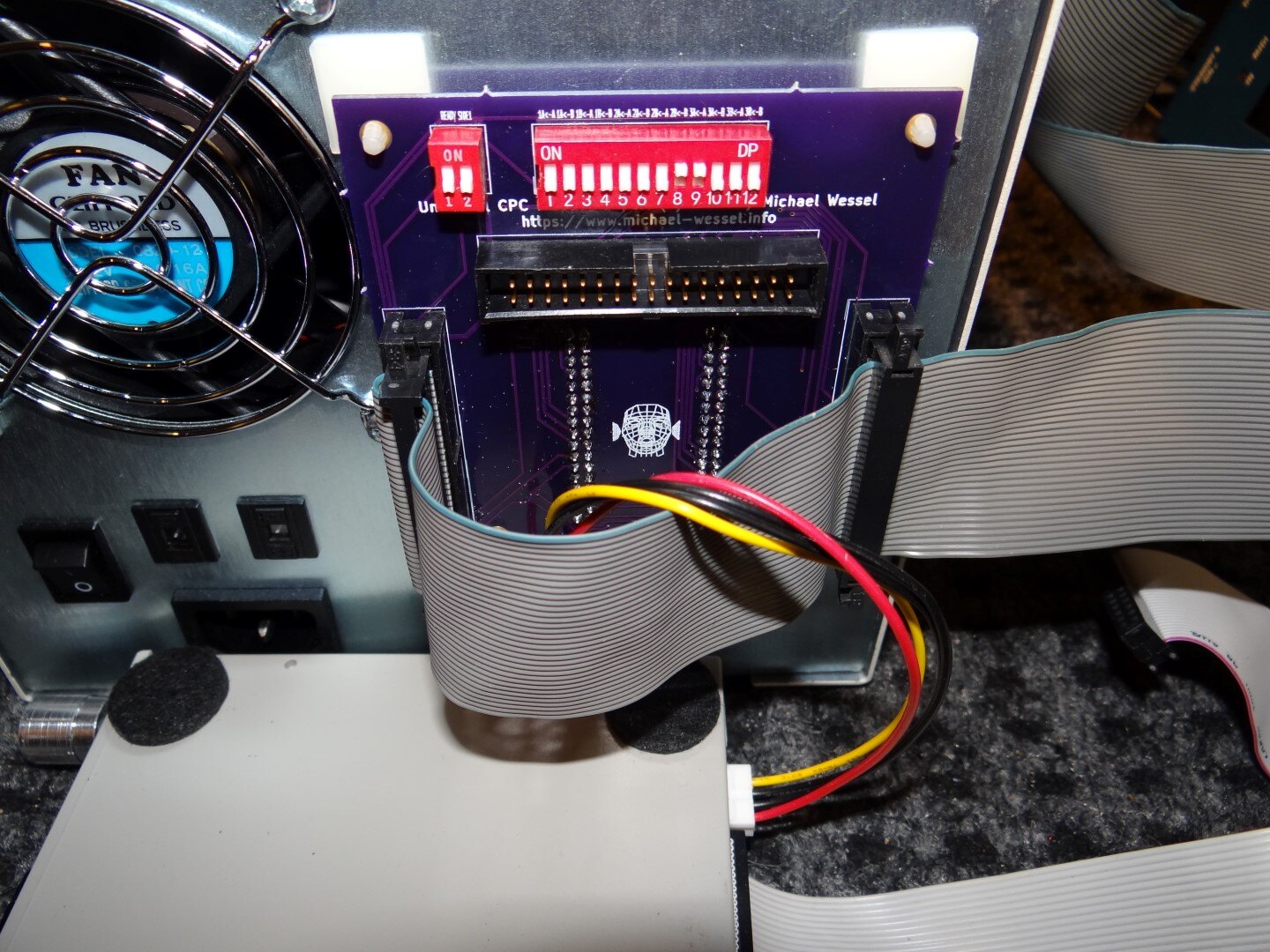
A Universal Floppy Disk Drive Adapter for the Amstrad / Schneider CPC 464. Ready-built adapters are sold on eBay.
|
|
Speak & SID
11/2019
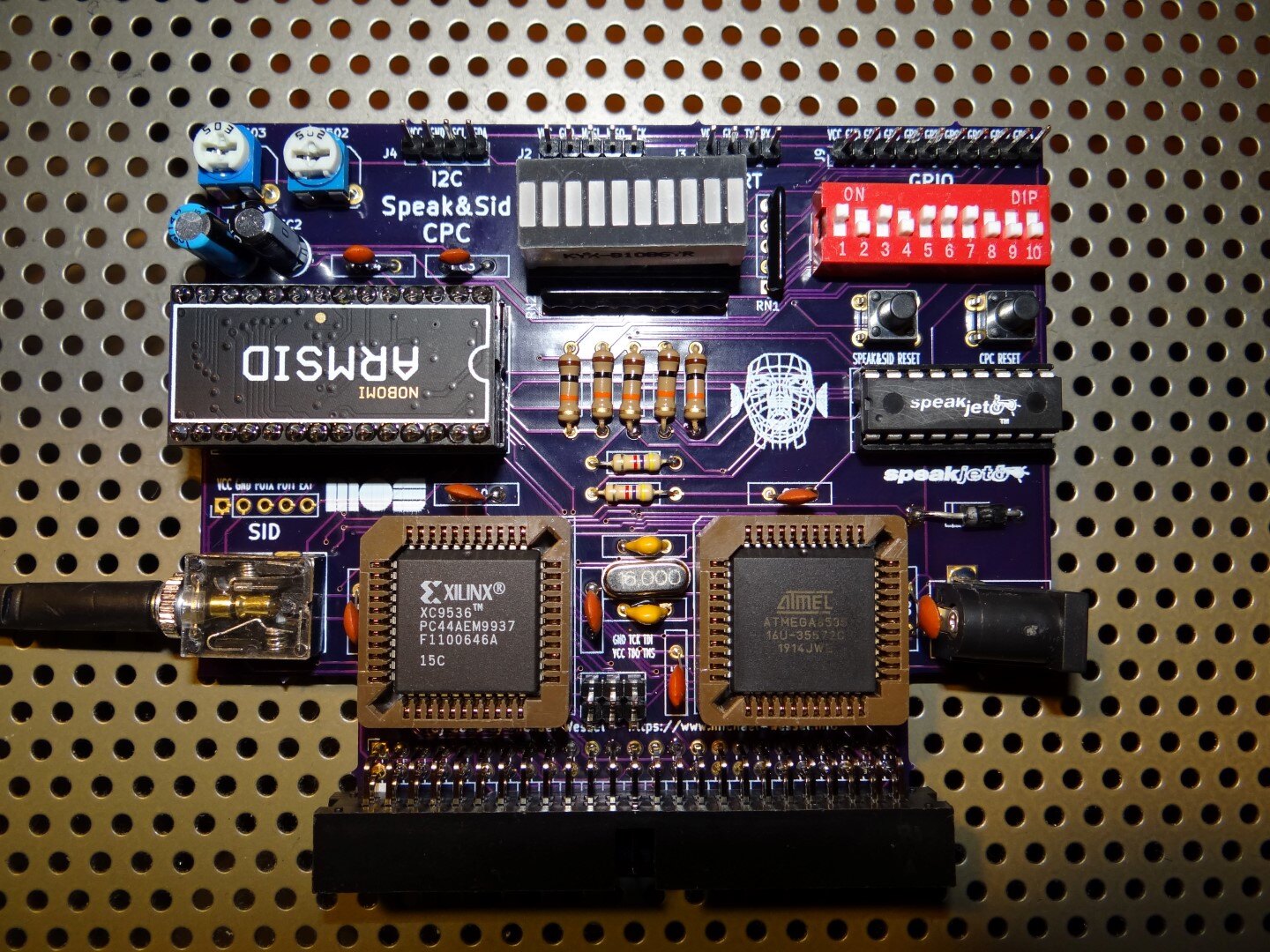
A Speech Synthesizer, SID Soundcard, MIDI IN SID+AY Synthesizer for the Amstrad CPC.
|
|
LambdaSpeak 3
05/2019
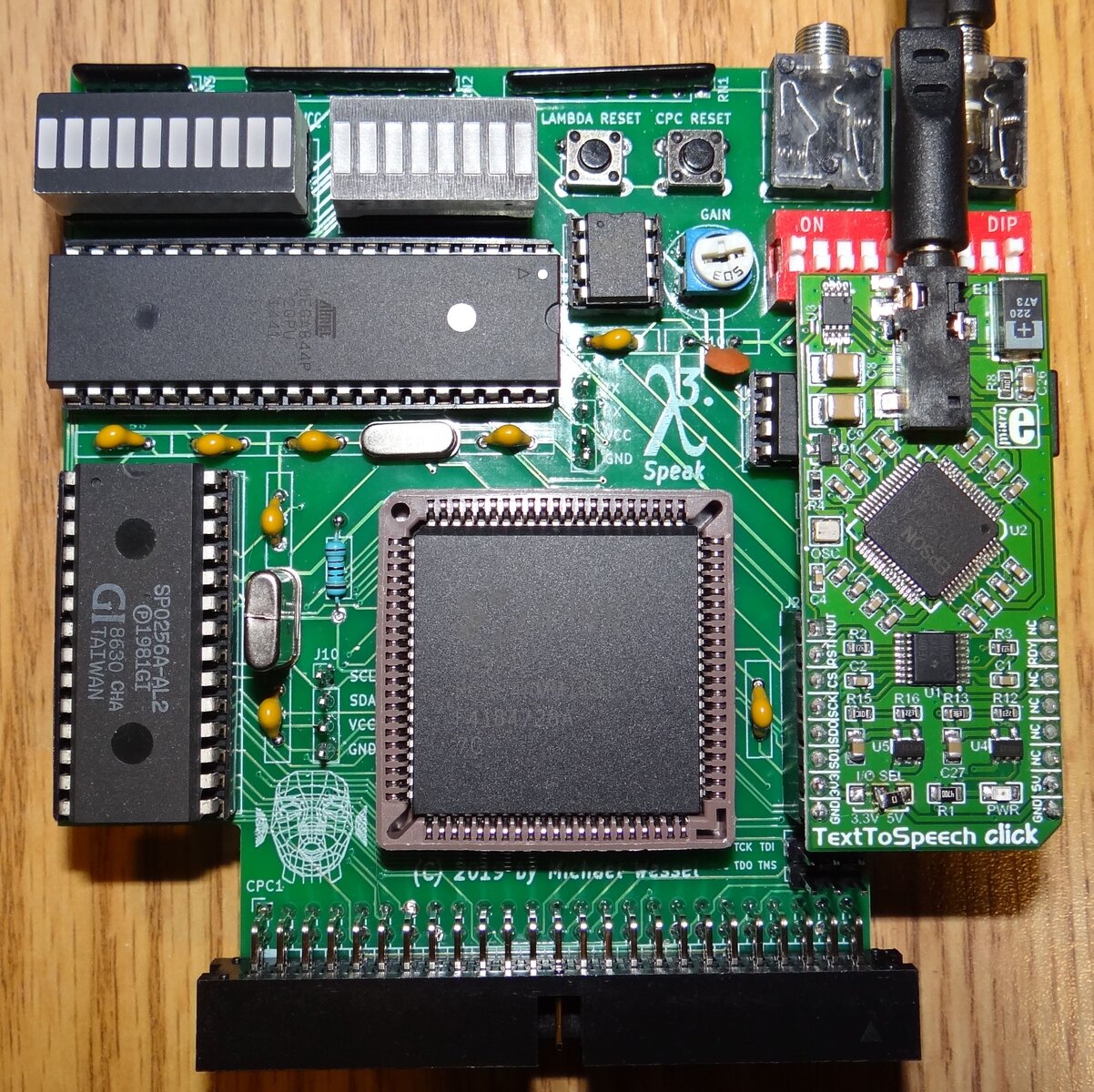
A Speech Synthesizer, Sample Player, UART Serial Interface, and Real Time Clock for the Amstrad / Schneider CPC Home Computer.
Github
Hackaday.io project
Video: CPC MIDI IN synthesizer
Video: 10-track pattern / drum sequencer
Video: a high-quality polyphonic sample player
Video: LambdaDrum - 4 channels of 8-bit PCM
Video: with the original SP0256-AL2 chip
Video: Spanish speaking mode and DECtalk singing
Video: the talking vector head - SP0256-AL2 emulation vs. original
|
|
LambdaBoard
06/2018
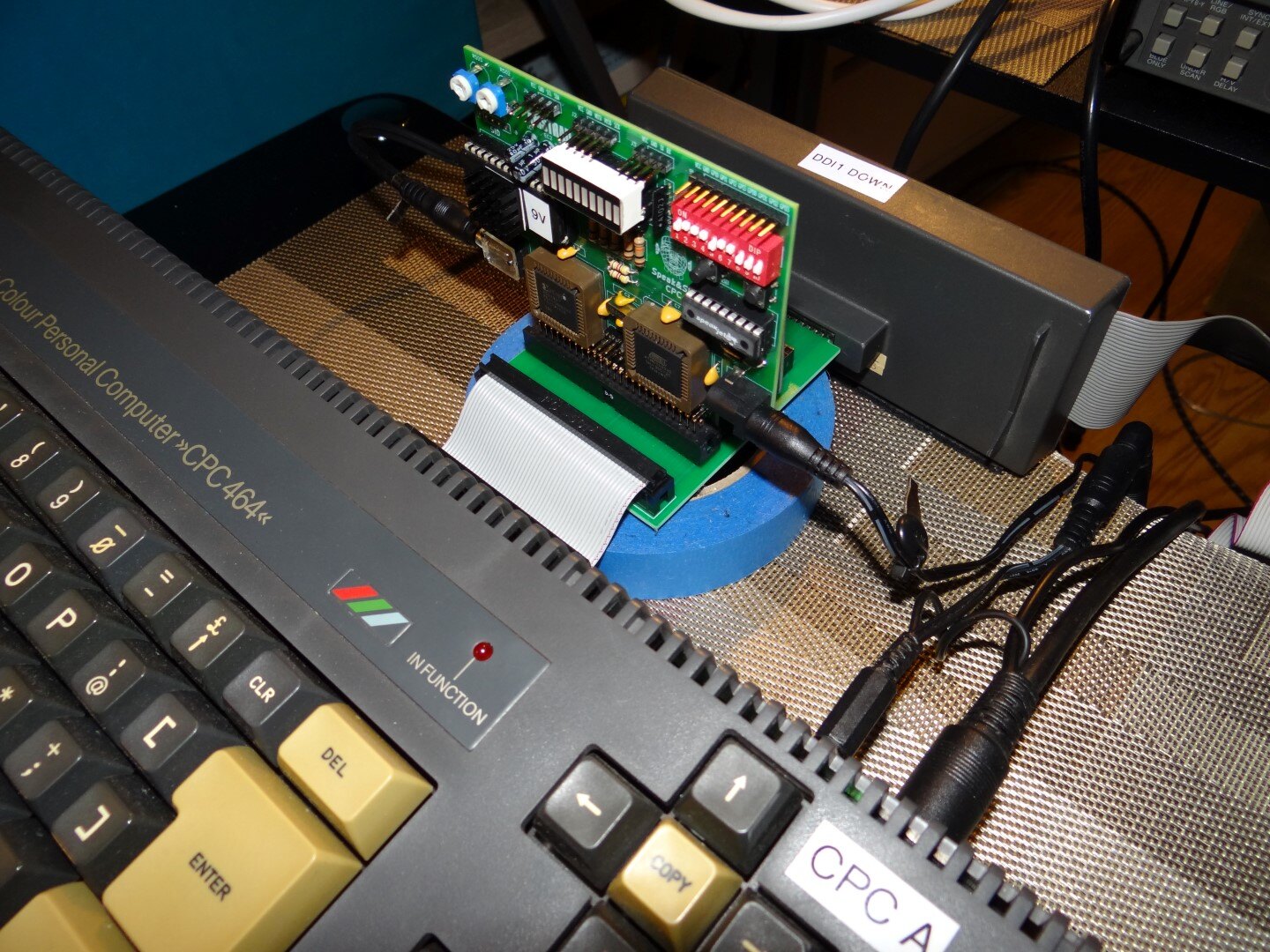
An Expansion Connector Extender and Backplane for the Amstrad / Schneider CPC. The first version is from June 2018, LambdaBoard 2 from October 2019. LambdaBoard was the first CPC backplane with an edge-connector passthrough, so that edge-connector hardware such as the DDI-1, DDI-3 or the DK'tronics and SSA-1 speech synthesizers can be used alongside the MX4 cards - a feature that only became standard after LambdaBoard.
|
|
LambdaSpeak
05/2017 - 04/2018
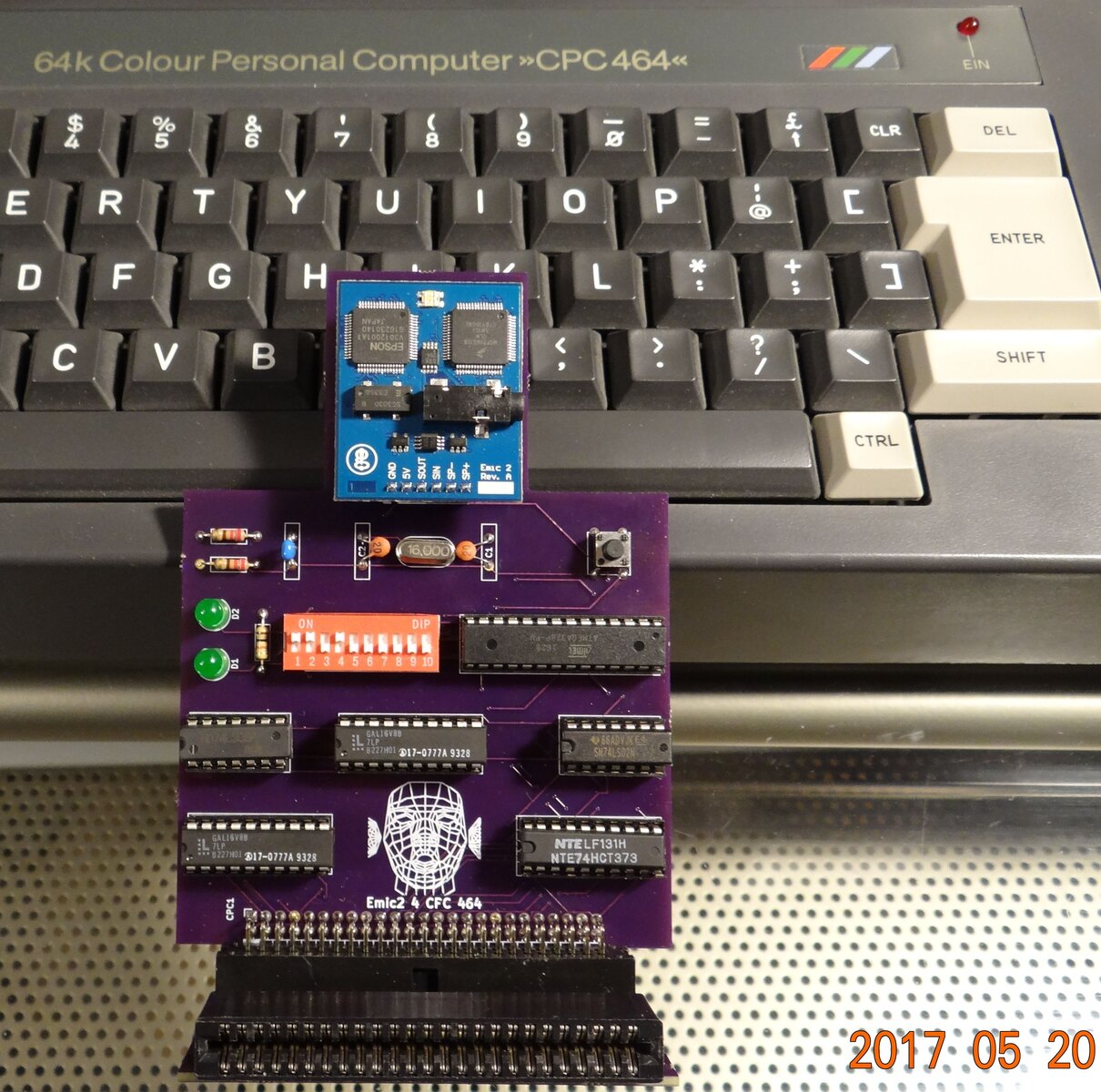
A Next-Generation Speech Synthesizer for the Amstrad (Schneider) CPC. The picture shows the very first version from May 2017, built around the Emic 2 speech module. With adapters, later versions also run on the Sinclair ZX Spectrum and on the Multitech Microprofessor.
Github
The Making of LambdaSpeak
Video: a next-generation speech synthesizer for the CPC 464
Video: LambdaSpeak meets BASIC Eliza
Video: the first PCB version
Video: Emic-2 based SSA-1 emulation
Press and awards:
ChinnyVision, episode 270: LambdaSpeak 1.95 (video, 2019)
|
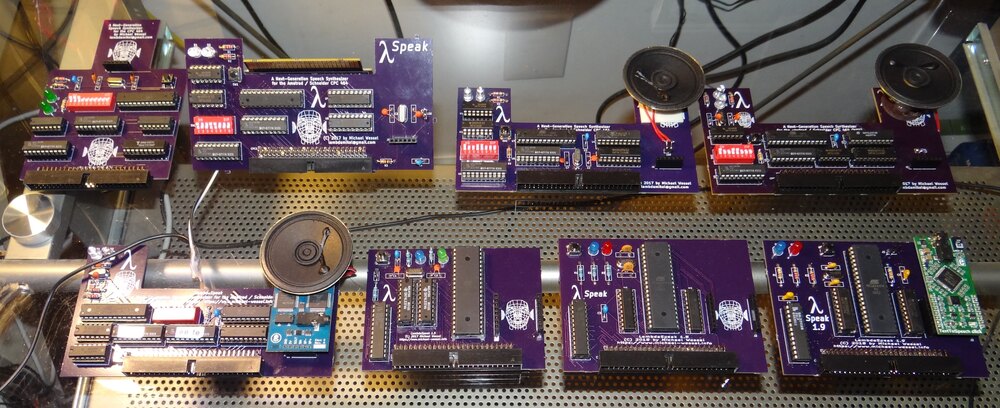
The early LambdaSpeak family, from the first version of May 2017 to LambdaSpeak 1.9 (photo of March 2018). LambdaSpeak 1.95 followed in April 2018.
Read the story: The Making of LambdaSpeak.
|
|
|
CPC Connector
07/2017
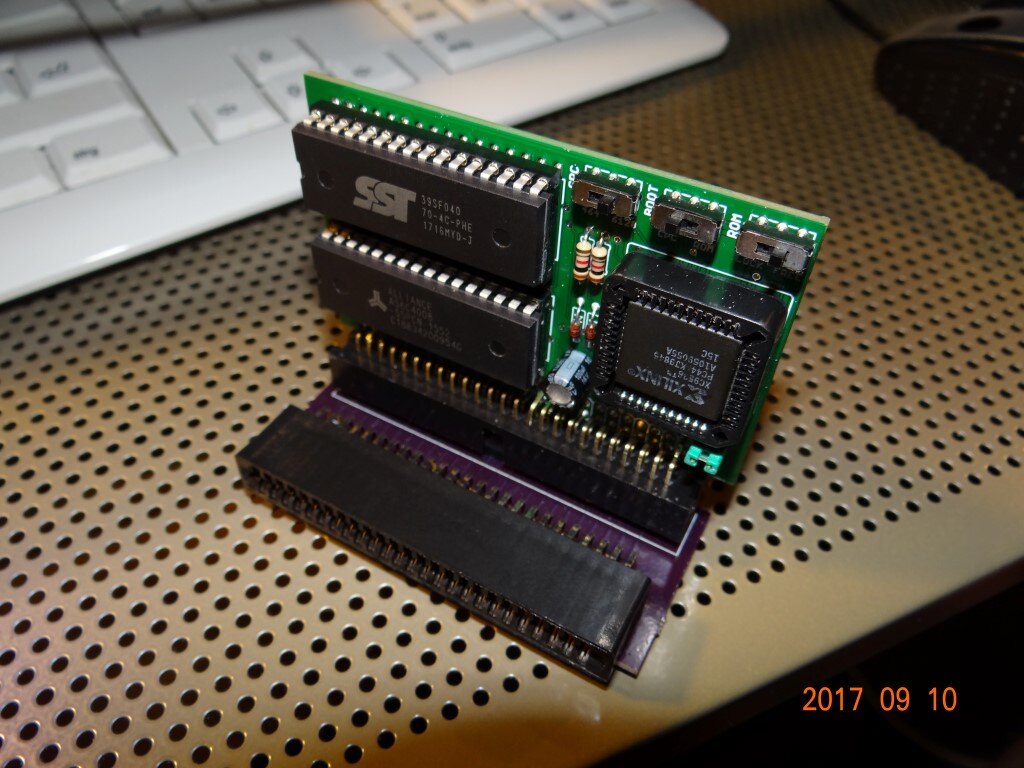
A Simple Expansion Port Connector for the Amstrad / Schneider CPC - one of my first PCBs, designed in July 2017 for the LambdaSpeak prototypes, and published on Github in January 2020. It was the first connector of its kind: one MX4 slot right on the expansion port, with an edge-connector passthrough. Inspired by this design, others have since built a version for the 50-pin Centronics expansion port of the CPC Plus machines and the German Schneider CPC 6128 - the same idea, with a Centronics connector.
|
|
CPC Breadboard Cobbler
03/2017
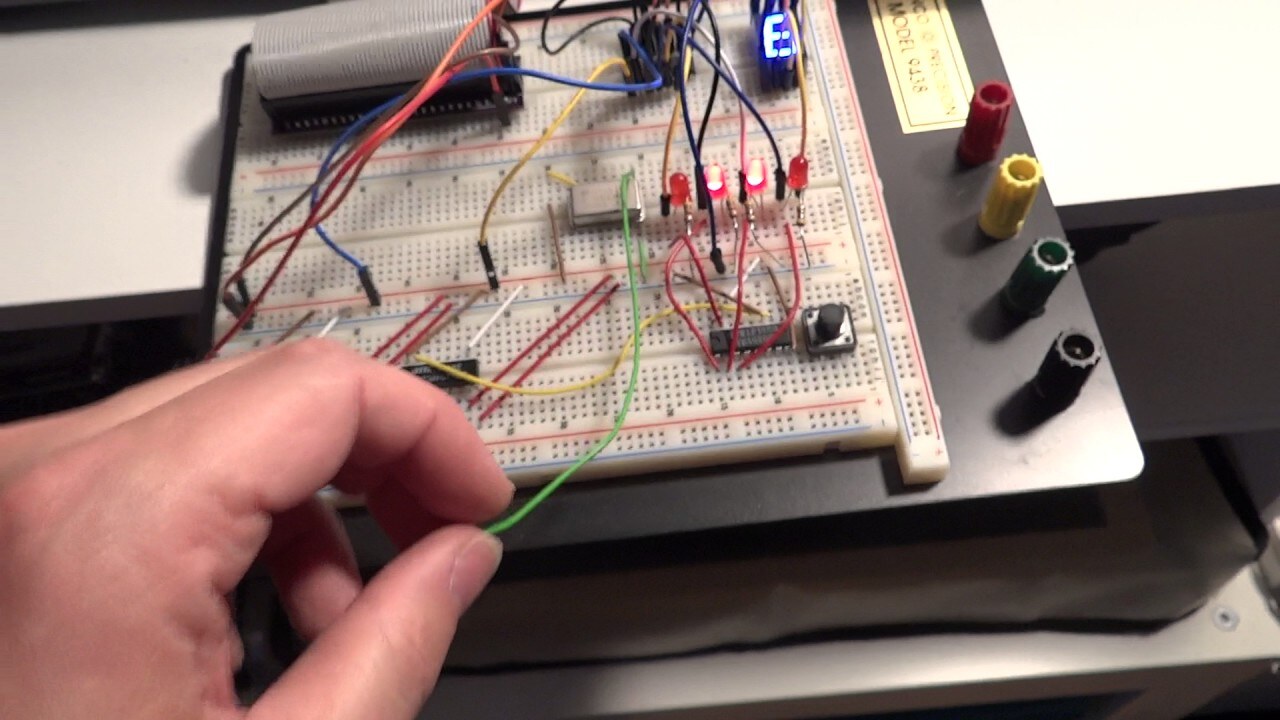
A breadboard breakout cobbler for the Amstrad / Schneider CPC, one of my first PCBs, from March 2017: a 50-pin ribbon cable from the CPC's expansion port to a 2x25 box header, and two rows of pins that plug into a breadboard - for experiments with the CPC's bus, like a 7-segment display driven by the CPC.
|
TRS-80
|
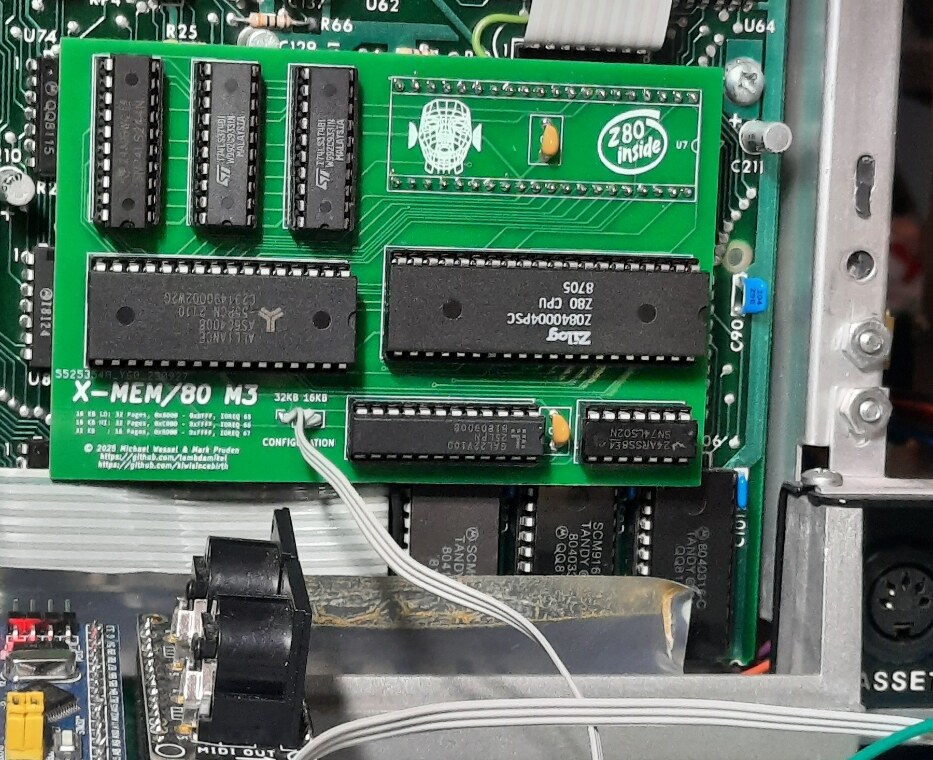
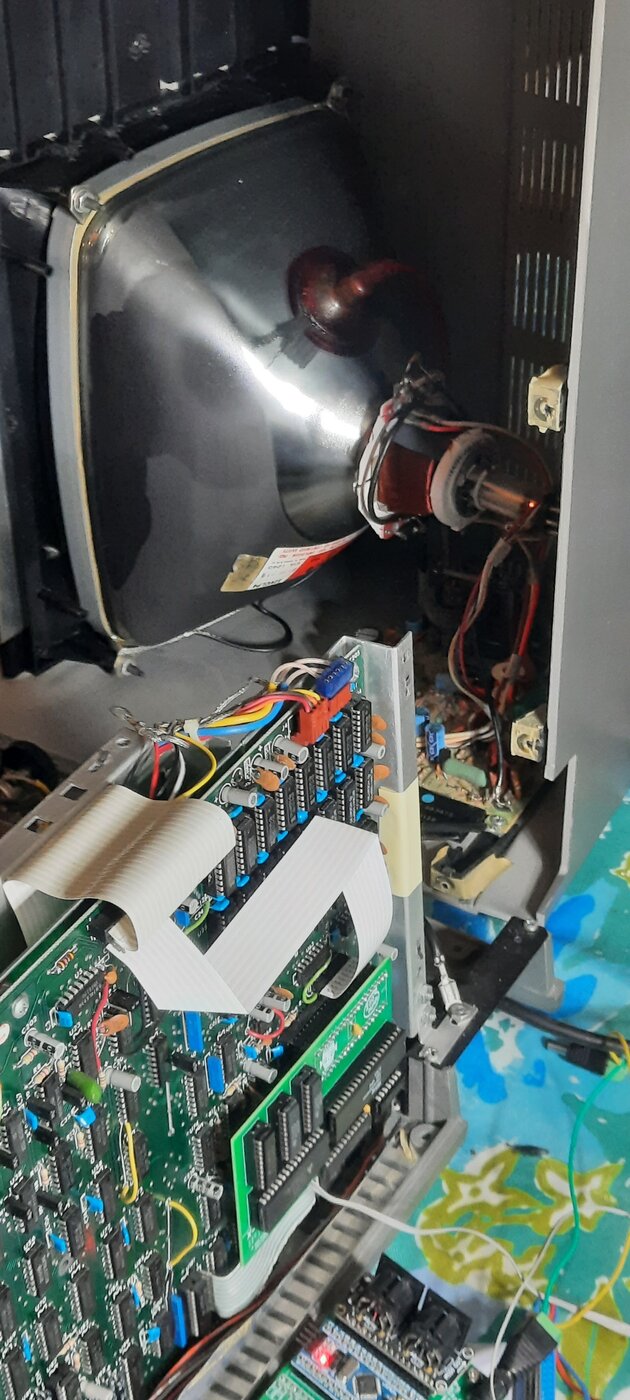
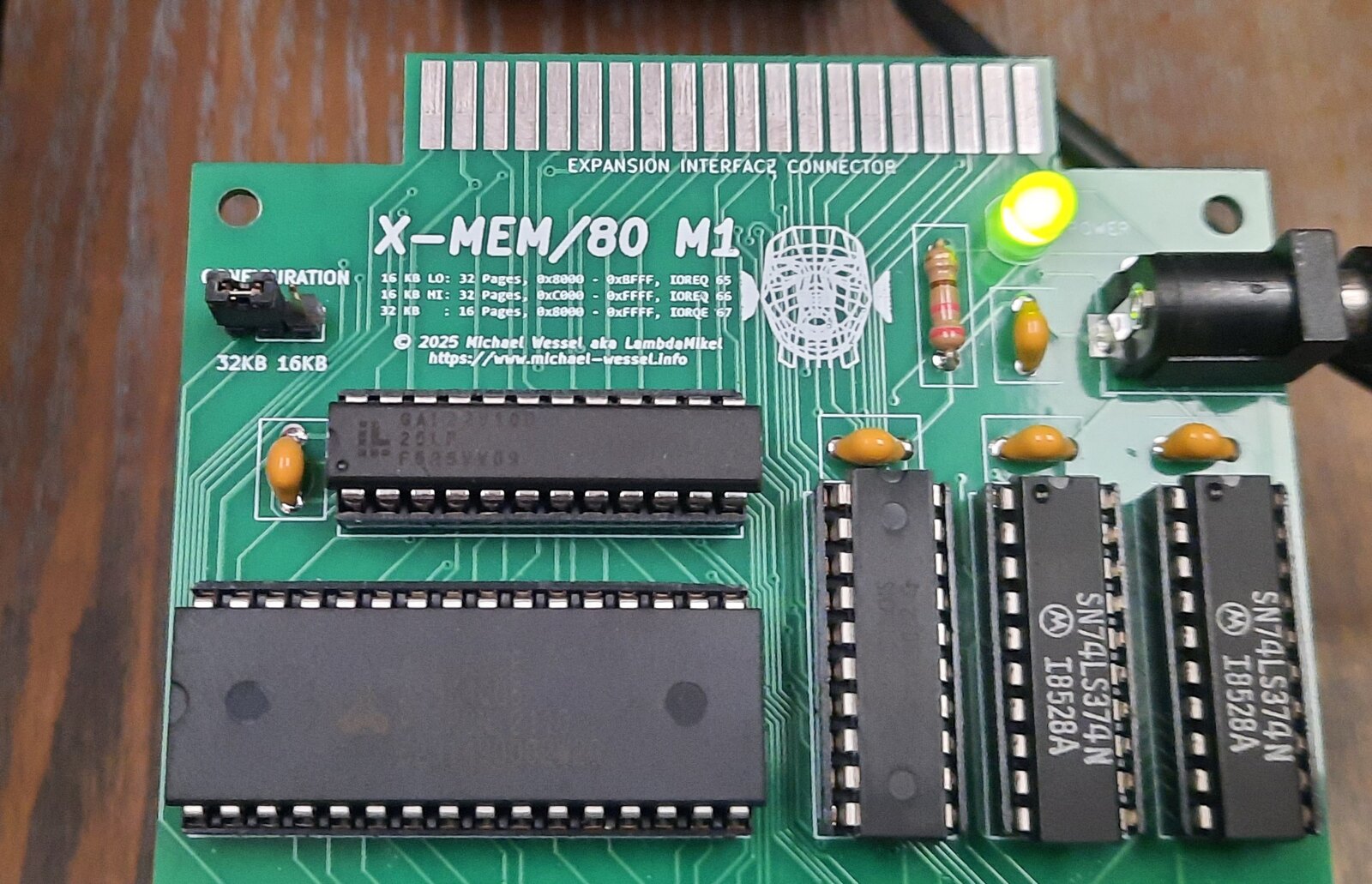
The Model III version, inside a Model III
X-MEM/80
09/2025
A 512 KB Paged Memory Expansion for the TRS-80 Model I and III, made with Mark Pruden. The Model III version plugs into the CPU socket, inside the machine. The TRS-80 store Tuc's Workbench sells ready-built X-MEM/80s; I don't get any of the proceeds - they have my permission to sell them, of course; after all, it is open source. Two TRS-80 emulators emulate the Model I version: SDLTRS2 since version 1.2.34 (December 2025) and trs80gp since version 2.5.6 (January 2026, option -mem xmem80).
Github
Tuc's Workbench: Model I version
Tuc's Workbench: Model III version
Video: #septandy 2025 - full demo on the Model I
Video: X-MEM/80 + MIDI/80 breakthrough
SDLTRS2 changelog: X-MEM/80 in version 1.2.34
trs80gp release notes: X-MEM/80 in version 2.5.6
CPC Lisp on the TRS-80 - a Lisp that runs in X-MEM/80's pages
|
|
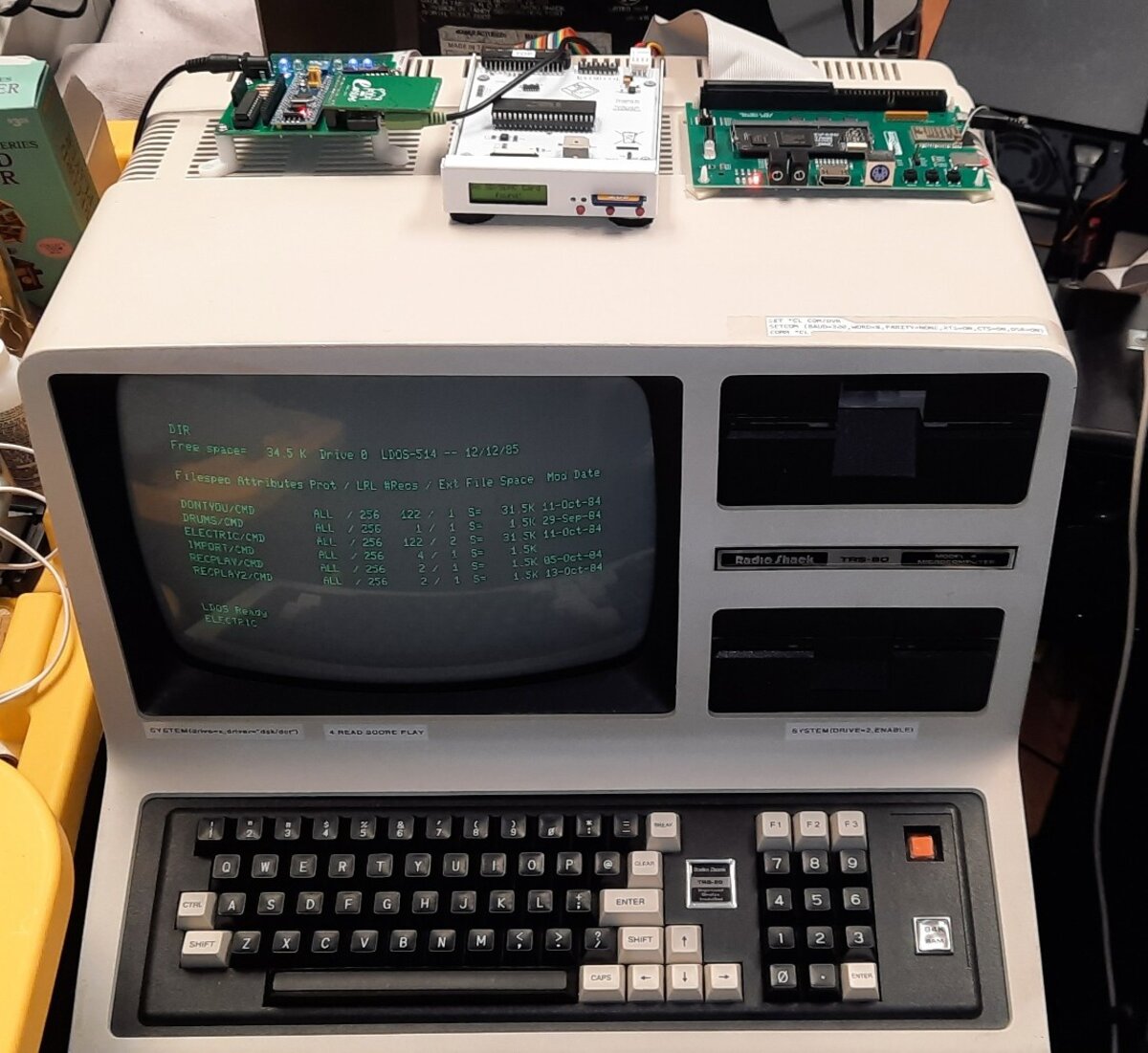
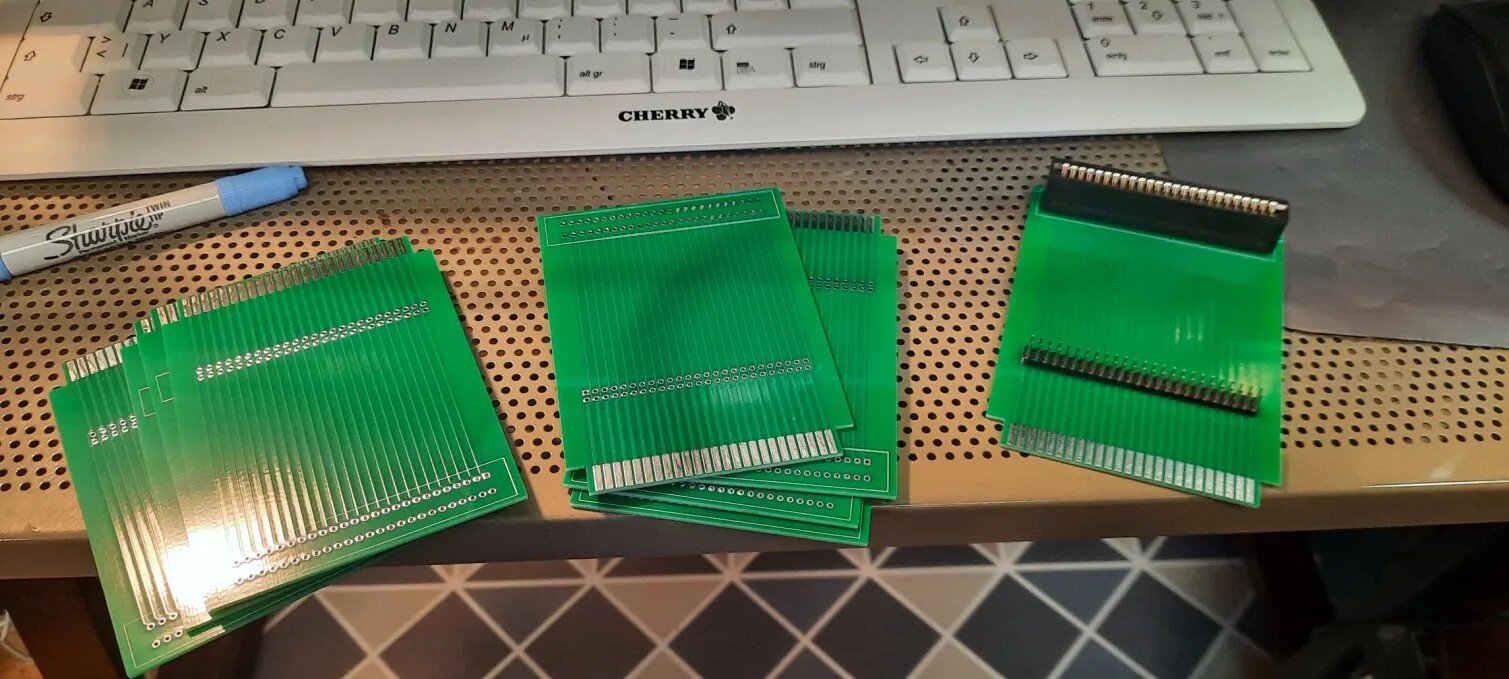
On a Model 4, and a batch of boards
TRS-80 Expansion Port Extender
08/2025
A Simple TRS-80 Model III / 4 Expansion Port Extender.
|
|
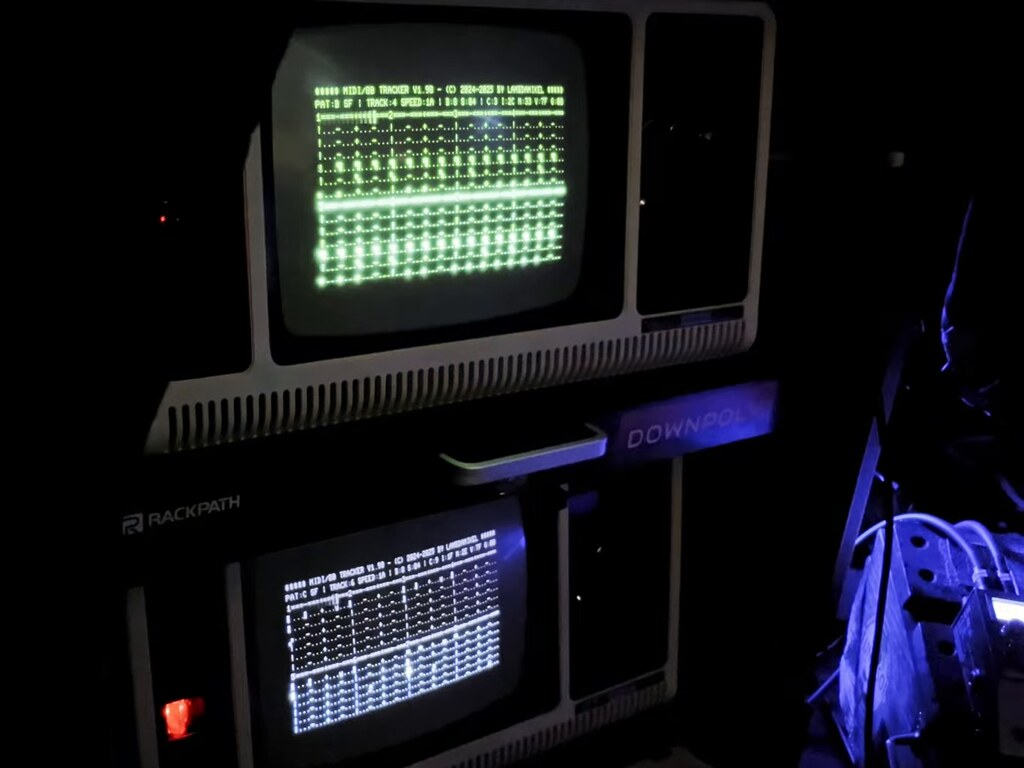
DOWNPOLY live at Bit-Scape 2026, with two TRS-80s running TRACKER
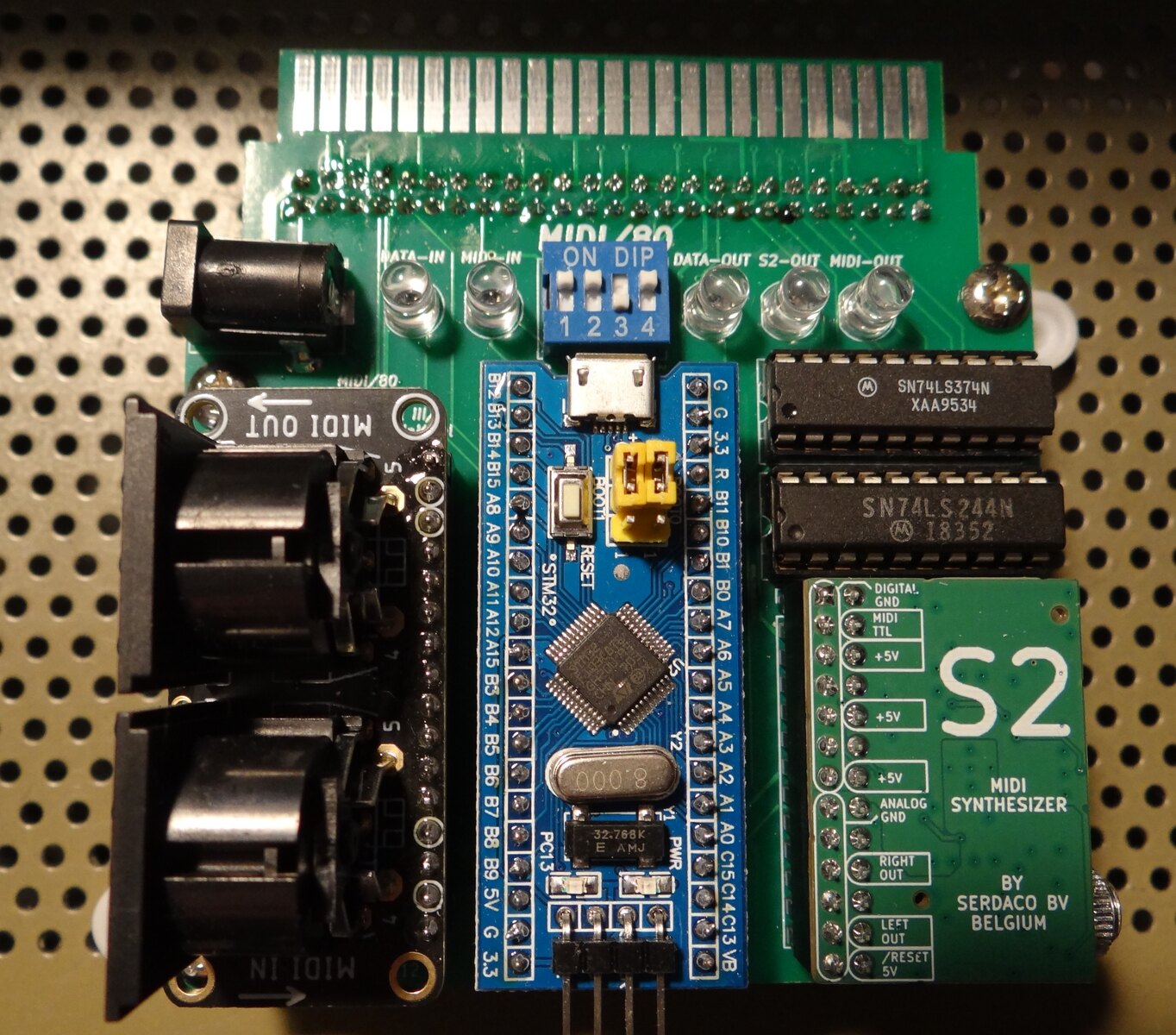
A MIDI Sound and Interface Card for the TRS-80 Model 1, III, and 4. With its TRACKER software it is a six-channel multi-timbral MIDI sequencer; Joel Hilliard aka DOWNPOLY uses it on his albums and on stage: he presented MIDI/80 and its software at Tandy Assembly 2025 and played there live, showed his TRS-80 rig in an interview with MonroeWorld, and closed the first day of the Bit-Scape 2026 chip music showcase with TRACKER, the MIDI interfaces and Talker/80. The hardware and firmware are my own; Claude Code later helped refactor the tracker software. Jürgen Wich, the Home Computer Guy, contributed the MIDI song batch converter for making song disks (February 2025). Since December 2024, the TRS-80 core for the MiSTer FPGA emulates MIDI/80, with MIDI out to the MiSTer's synthesizer or to an MT32-Pi.
Github
Hackaday.io project
MIDI song batch converter, by Jürgen Wich
The Home Computer Guy - Jürgen Wich's homepage
YouTube playlist
Video: this TRS-80 Model III is a polyphonic, multitimbral MIDI synthesizer
Video: the TRS-80 MIDI studio with the Behringer Wave
Video: a TRS-80 MIDI concert - synchronizing several TRACKERs
Video: DOWNPOLY's talk on MIDI/80 and its software, Tandy Assembly 2025
Video: DOWNPOLY live at Tandy Assembly 2025
Video: DOWNPOLY interview and rig tour, MonroeWorld
Video: DOWNPOLY live at Bit-Scape 2026
MiSTer TRS-80 core: MIDI/80 emulation
MiSTer TRS-80 core: the pull request adding MIDI/80 (December 2024)
|
|
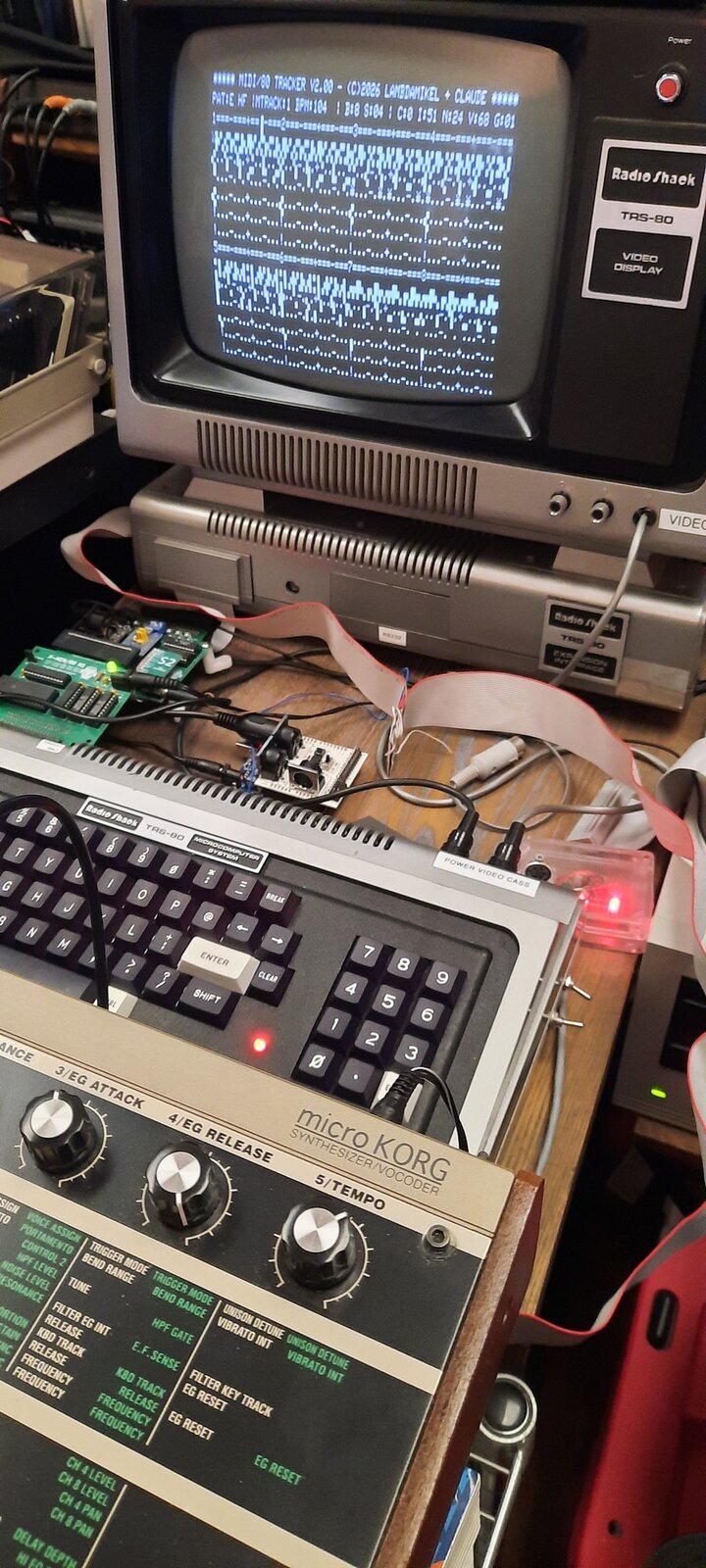
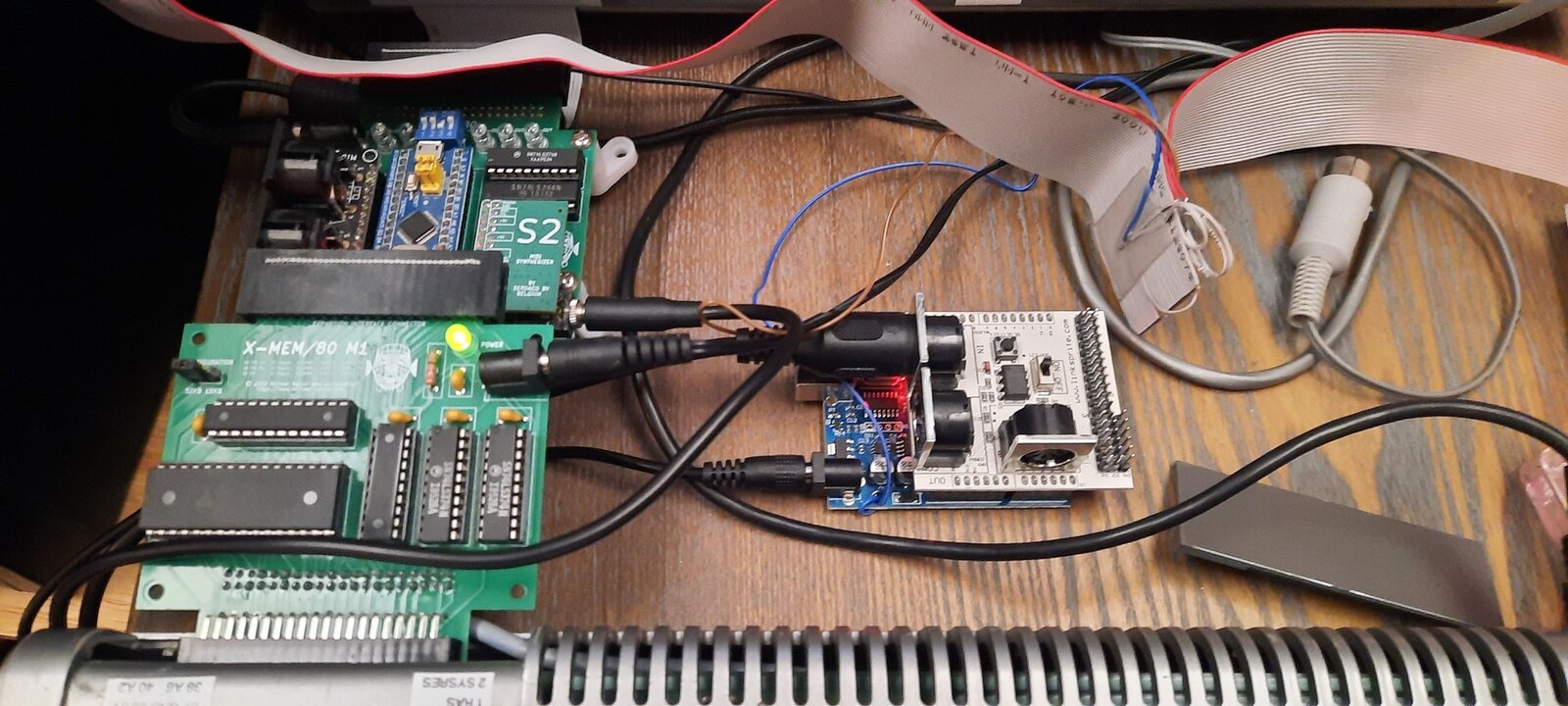
TRACKER 2.00 on the TRS-80 Model 1, synchronized to the Microkorg through the clock box
An Arduino Uno with a standard MIDI shield that turns incoming MIDI clock and MMC messages into the parallel-port TTL clock signals that the MIDI/80 TRACKER already understands, so that a DAW, a drum machine or a synthesizer such as the Microkorg can drive the TRS-80. The MIDI data stream is too dense for the TRS-80 to follow on its own while it also handles the notes. Claude Code created the box and its firmware, and the new TRACKER 2.00 that goes with it.
|
|
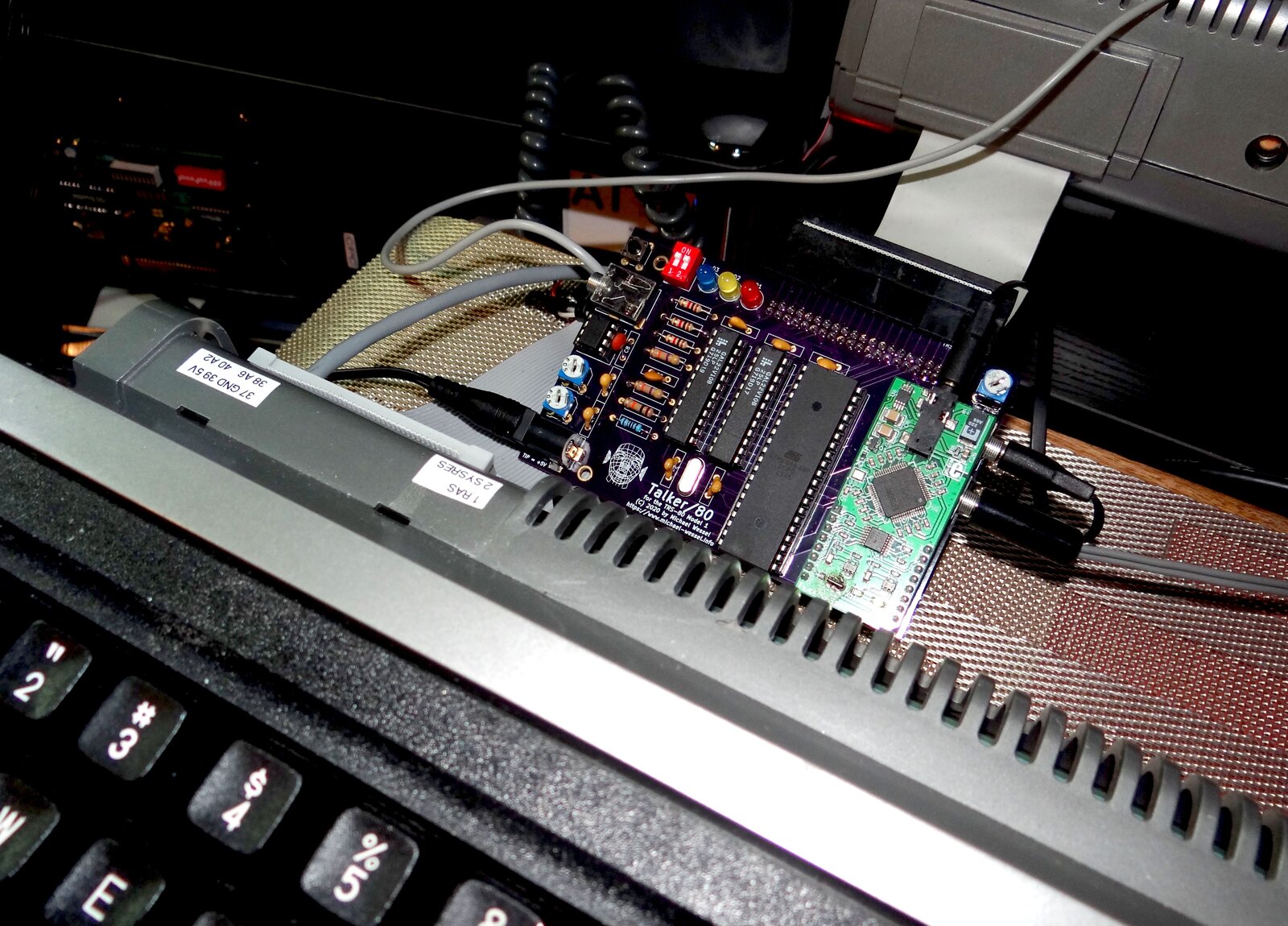
Talker/80
04/2020
A Modern Voice Synthesizer for the TRS-80 Model 1, Model III, and Model 4!
Github
Hackaday.io project
Presentation: The INPs and OUTs of Talker/80, TrashTalk Live #8, 10/2020 (PDF)
Video of the talk
YouTube playlist
Video: first demo on the Model 1
Video: Talking Eliza
Video: VS-100 voice synthesizer emulation
Video: #septandy - assembling the Talker/80
Video: DOWNPOLY live at Bit-Scape 2026, with Talker/80
|
Apple II
![Perfect Paul ][](pics/projects/large/perfect-paul-ii.jpg)
|
A DECtalk speech synthesizer card for the Apple II, built on a Raspberry Pi Pico. Speaks, sings, and runs a talking ELIZA. Since October 2026, with a second firmware, the same card is also an emulated GI SP0256-AL2 - the chip of the Echo ][, the Cricket and the Amstrad SSA-1 - with English text-to-speech and a native allophone mode for the 1980s listings; the SP0256 core is GmEsoft's.
|
Busch Microtronic YouTube playlists: Microtronic, Busch Electronics Fun
|
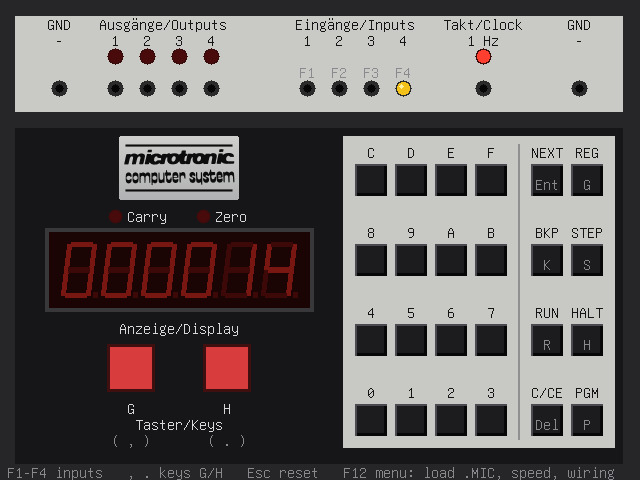
The Busch Microtronic 2090 (1981) as a core for the MiSTer FPGA: the original TMS1600 firmware runs on a TMS1600 in Verilog, checked in lockstep, instruction by instruction, against the browser emulator it is ported from. The 2114 program memory, keypad, six-digit display, inputs, outputs and the 1 Hz clock are wired as on the real board; .MIC program files load from the MiSTer menu, and 37 programs from the Busch manuals, the programmer's guide and Björn Rathje's games come with it.
|
|
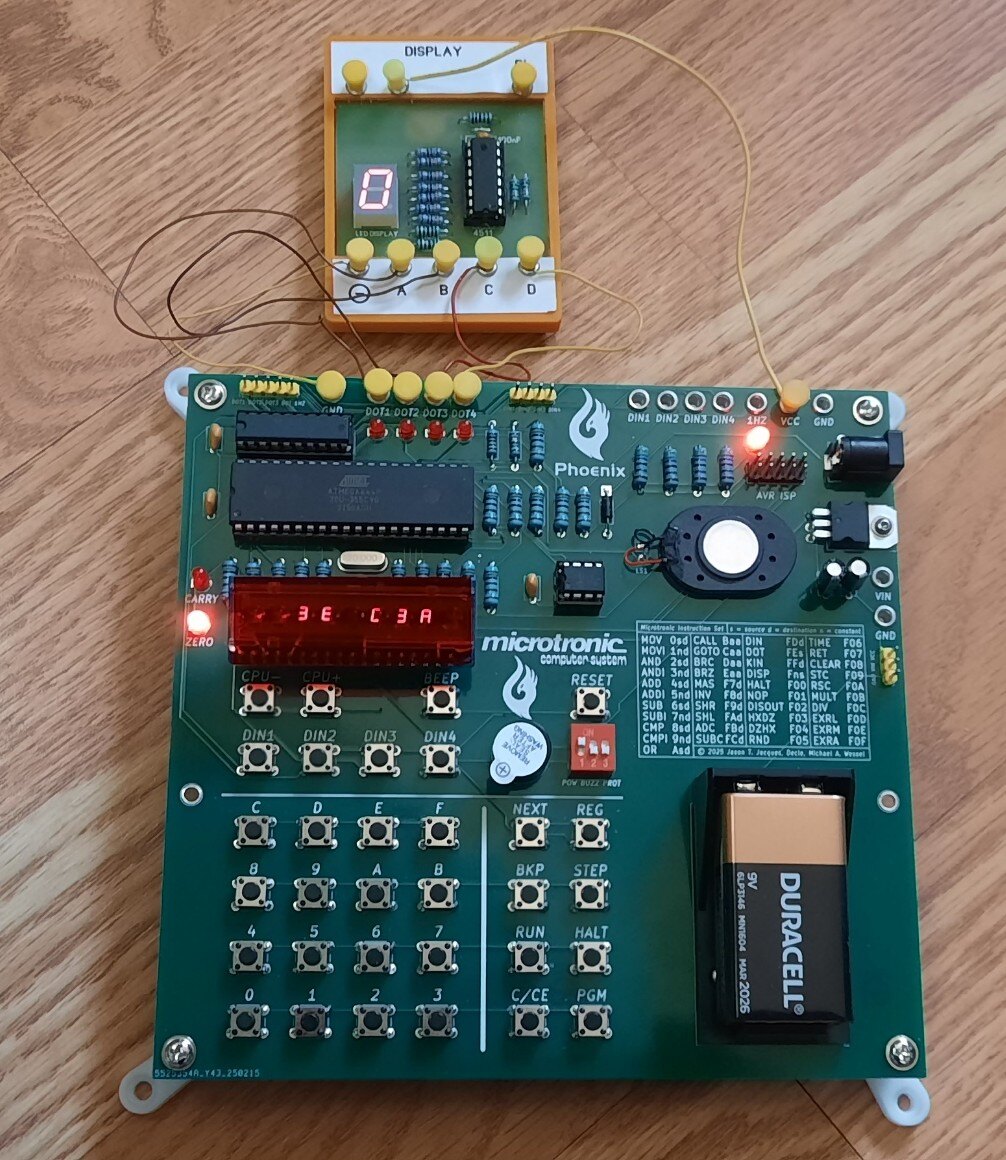
Microtronic Phoenix
02/2025
A Microtronic Emulator Running the Original Firmware from 1981. A collaboration with Jason T. Jacques and Decle; second place among 230 entries in the 2026 Hackaday Retrocomputing Challenge.
|
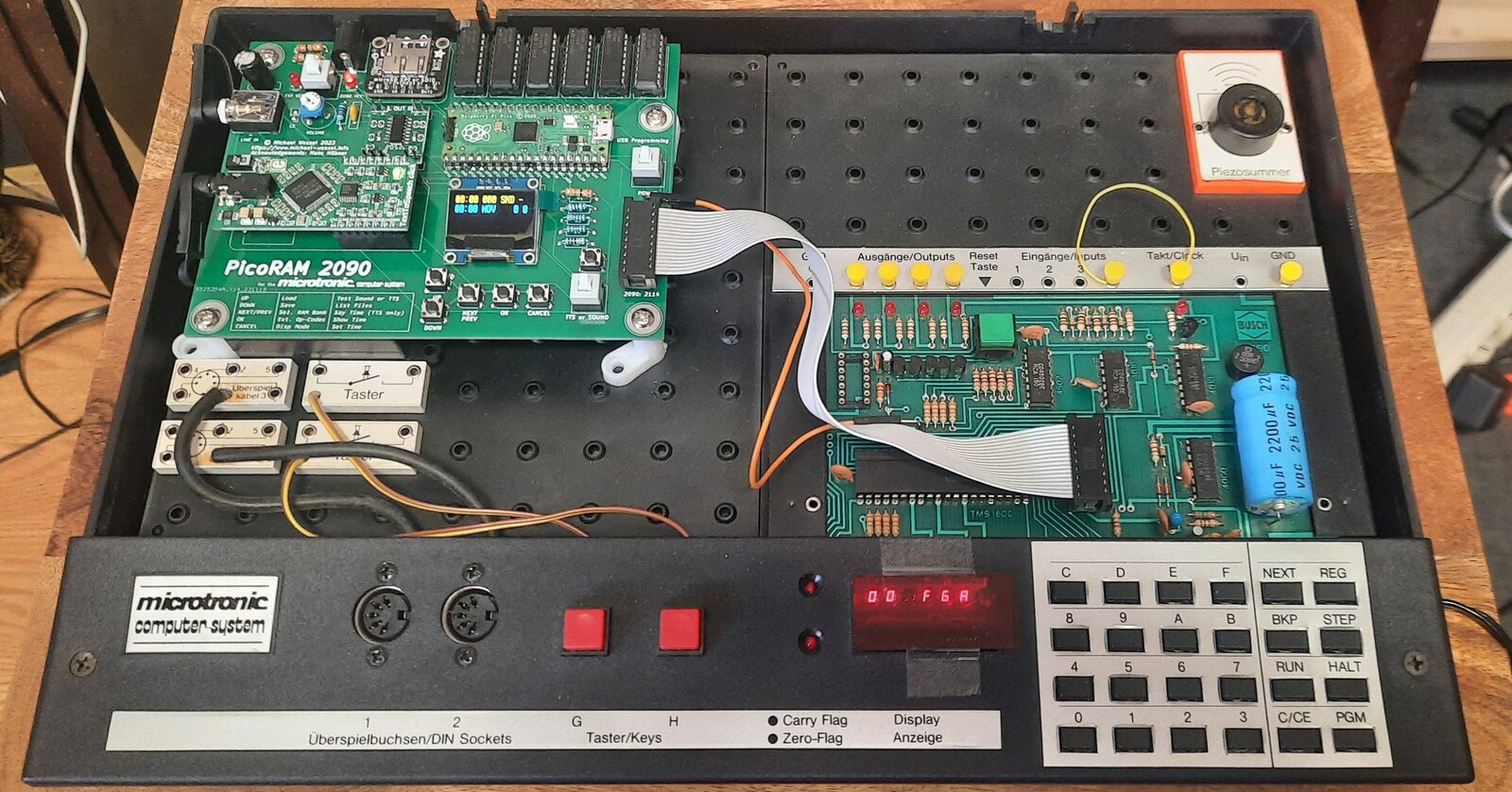
|
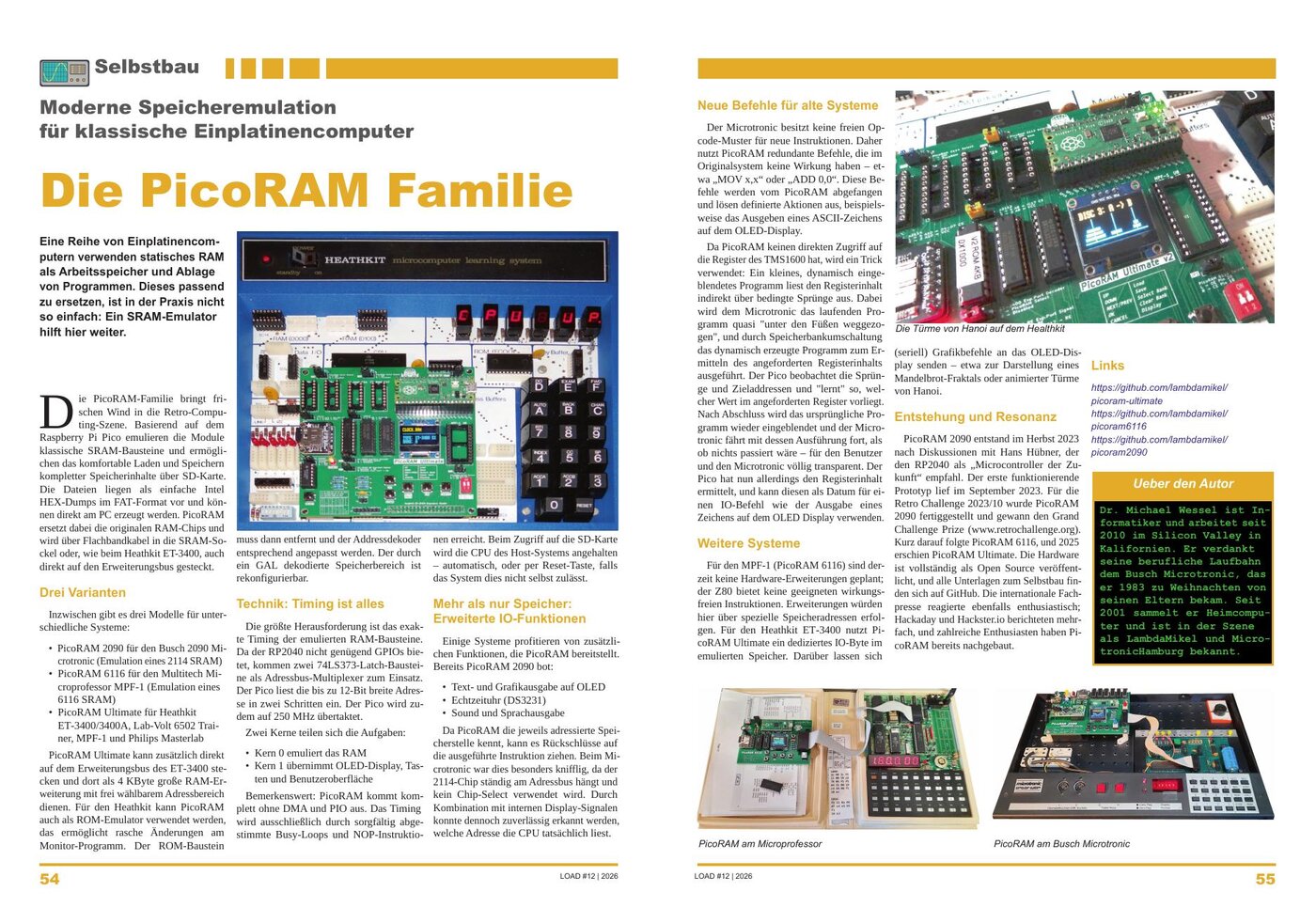
My article about the PicoRAM family in LOAD #12 (2026)
A Raspberry Pi Pico (RP2040)-based 2114 SRAM Emulator for the Busch 2090 Microtronic Computer System. The hardware and firmware are my own; some of the newer programs for it were written with Claude Code.
Github
Hackaday.io project
YouTube playlist: PicoRAM
YouTube playlist: RetroChallenge 2023/10
Video: PicoRAM 2090 for the Busch Microtronic
Video: emulating SRAM with the Raspberry Pi Pico
Press and awards:
Grand Prize, RetroChallenge 2023/10
LOAD #12 (2026): my article "Die PicoRAM Familie", in German (free PDF, pages 54-55)
Hackaday: Pi Pico Becomes SRAM For 1981 Educational Computer (2023)
Hackster.io (2023)
Busch: the official Microtronic page, on the SD card interface (since 2024)
Mein Elektronik-Hobby: PICORam 2090 - Aufbau und Arbeit mit dem Busch microtronic 2090 Computer (video in German, 2024)
|
|
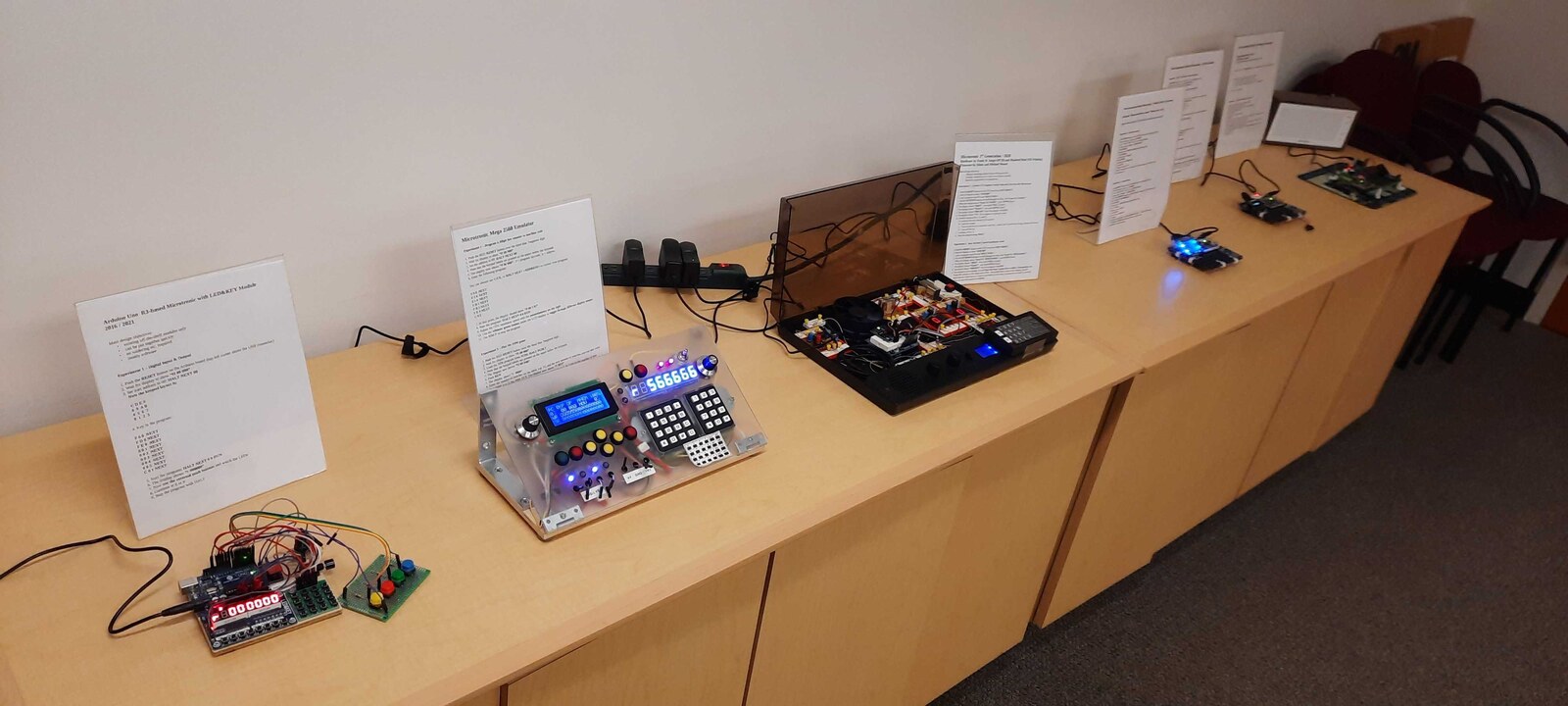
A one-hour seminar at the Artificial Intelligence Center of SRI International: "Reengineering of a Historical Educational 4bit Microcomputer Trainer with Arduinos" - and now for something completely different, a computer scientist's journey into electrical engineering. Several of my Microtronic emulators were on display in the seminar room, from the first breadboard versions to the Next Generation board.
|
|
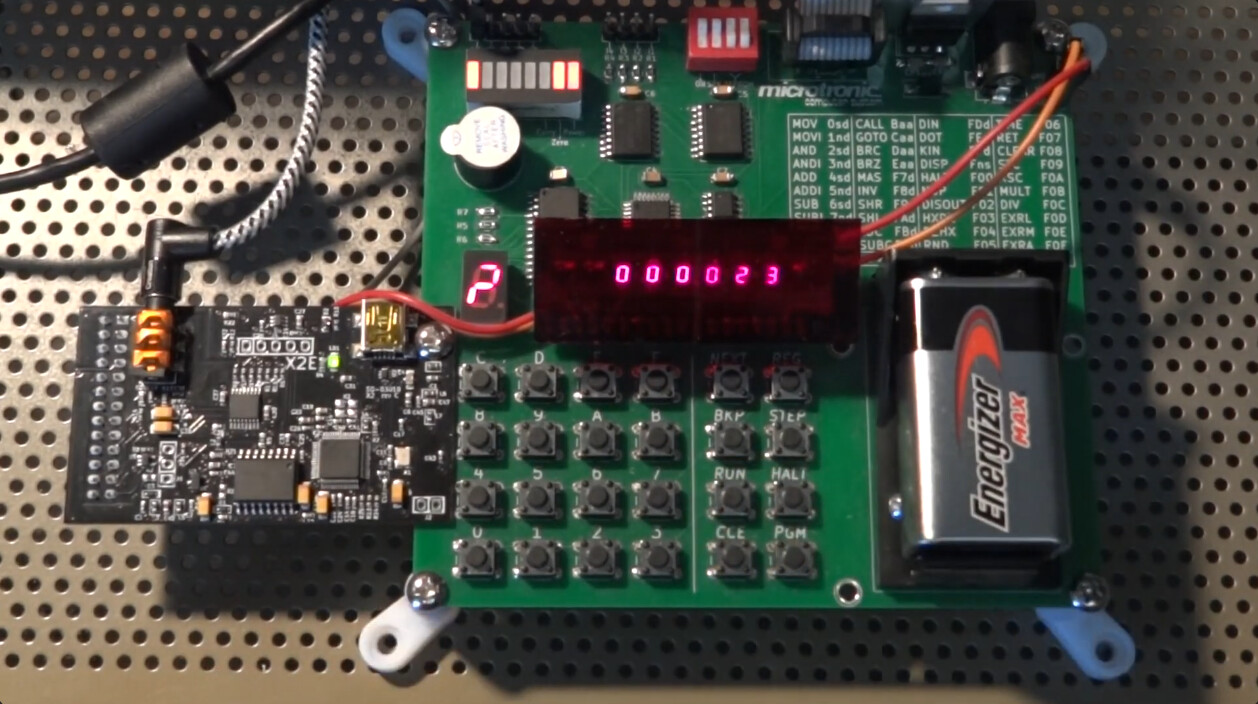
As a MIDI drum computer, with the X2GS Waveblaster-style sound module
A new take on the 2016 Arduino Uno emulator: high-speed Microtronic emulation with an authentic retro user experience (7-segment LED display), a larger built-in program library, and the memory contents stored in the EEPROM. For the RetroChallenge 2021/10, I turned it into a MIDI drum computer, programmed in Microtronic machine language.
Press and awards:
Winner, RetroChallenge 2021/10 - with the MIDI drum computer
|
|
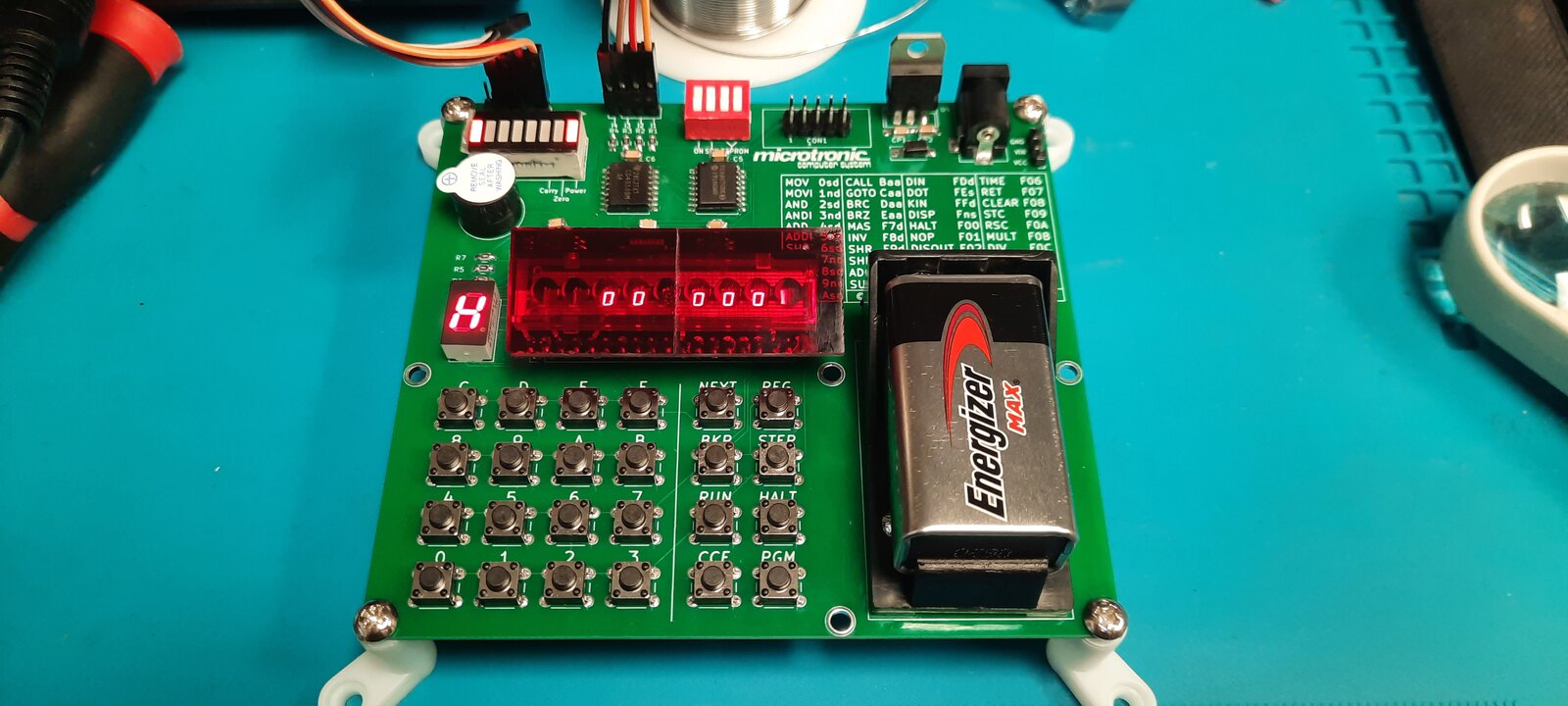
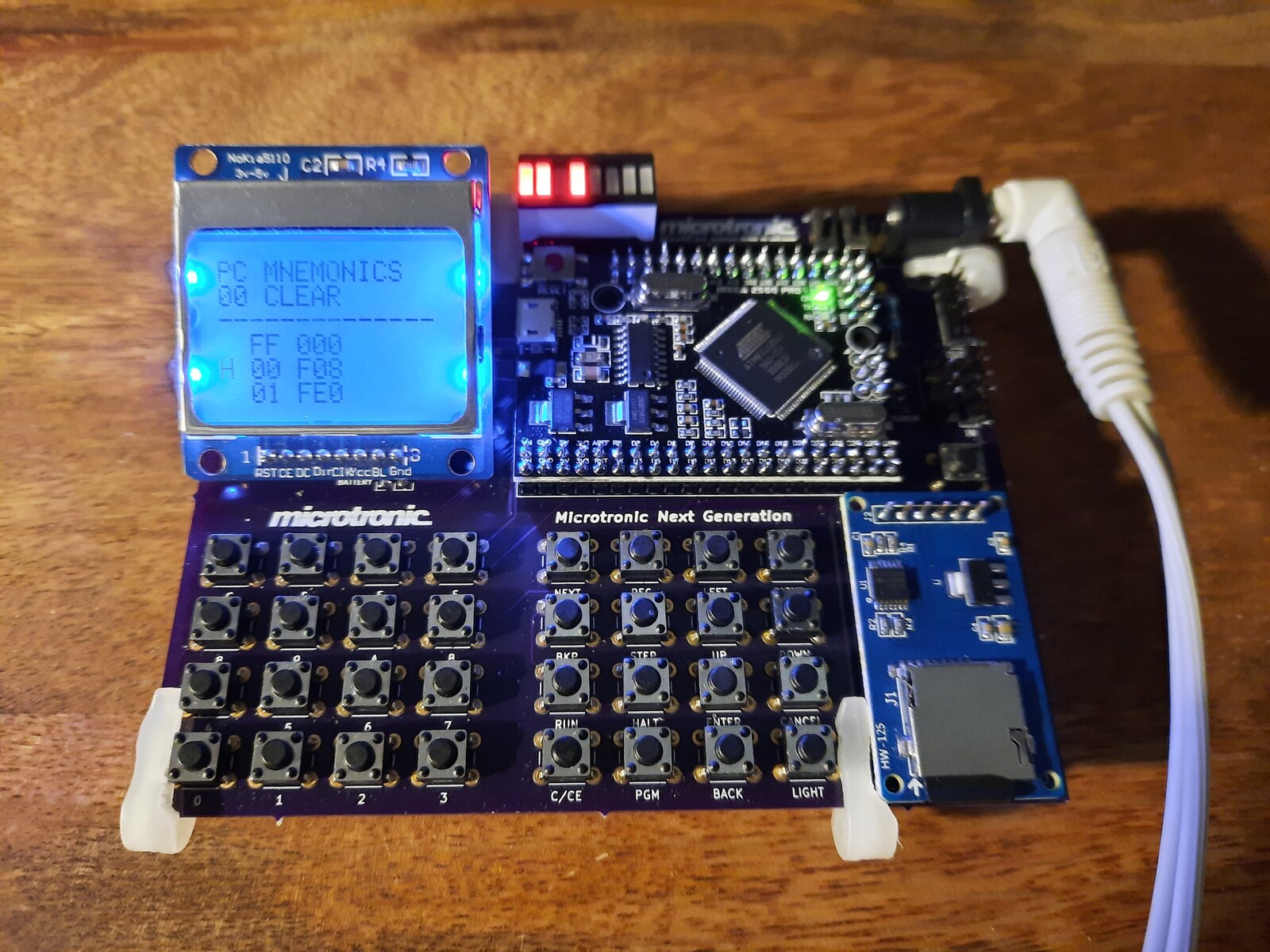
The current version of the Arduino-based Microtronic emulator, on its own PCB: SD card storage, emulation of the 2095 cassette interface, a real-time clock, a display with a mnemonics / disassembler mode, sound output, and built-in programs such as Lunar Lander.
|
|
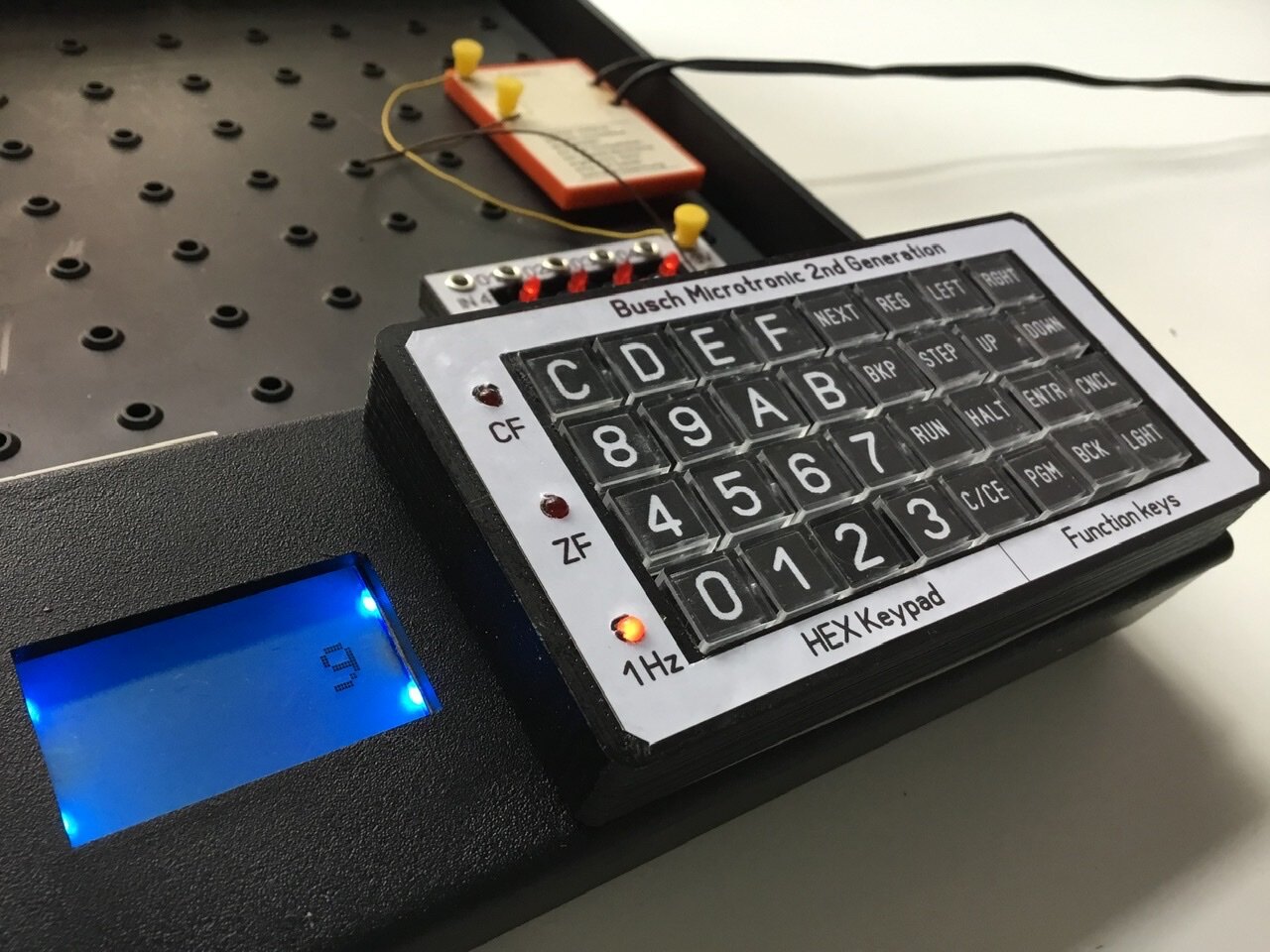
A sister project by Frank de Jaeger and Manfred Henf: an emulator that installs into an original Busch electronics console, with a 3D-printed keyboard. It runs the same firmware as the Next Generation emulator.
|
|
Microtronic 2095 Tape Emulator
07/2017
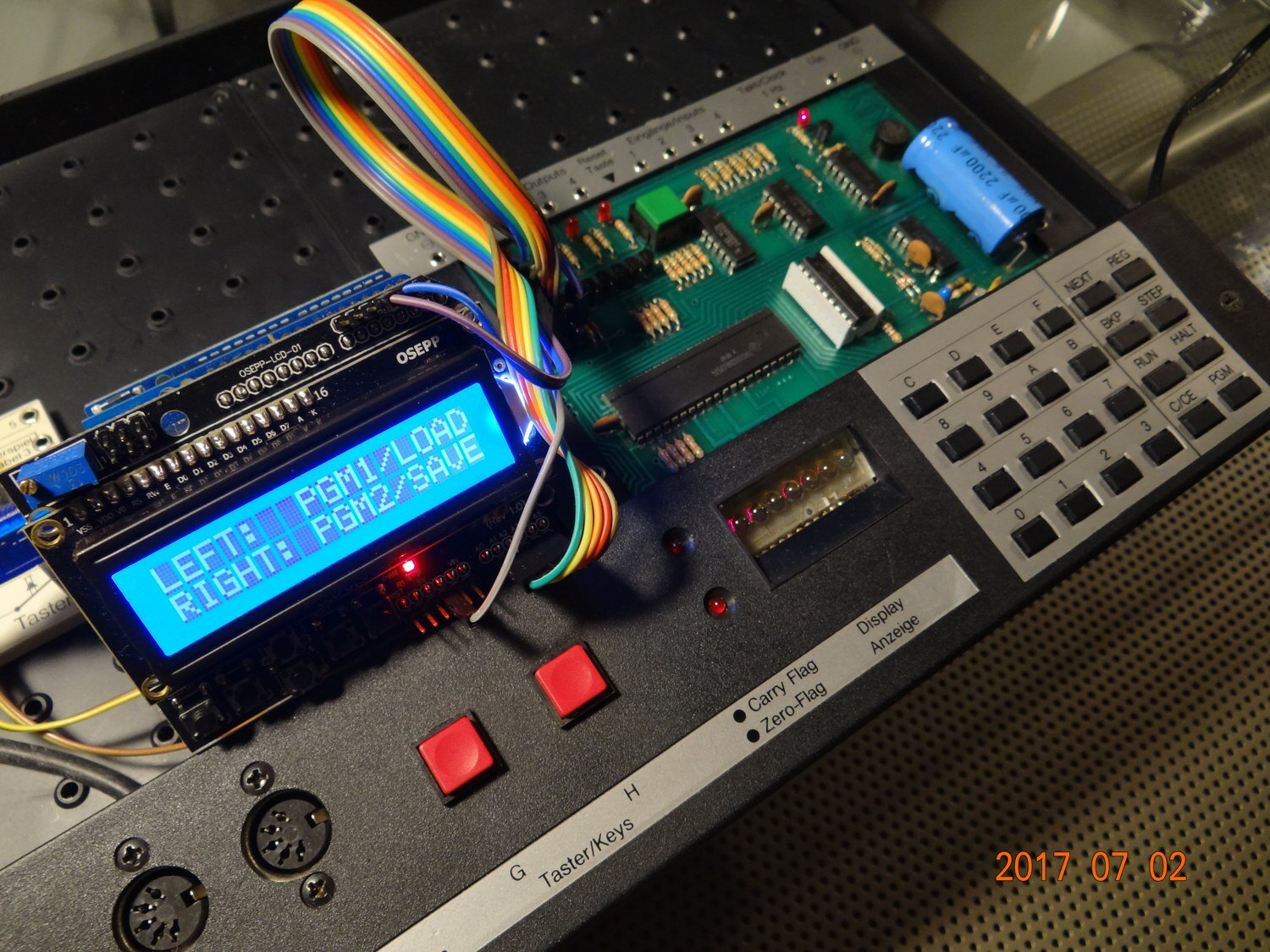
An Emulator of the Busch Microtronic 2095 Cassette Interface for Arduino Uno R3. It is based on Martin Sauter's reverse engineering of the 2095 protocol and his Raspberry Pi-based tape emulator.
|
|
|
Where it started: emulators of the Busch 2090 Microtronic for the Arduino Uno and the Arduino Mega 2560, including a talking version with the Emic 2 speech board.
|
|
Busch Electronics Kits
03/2016 - 11/2020
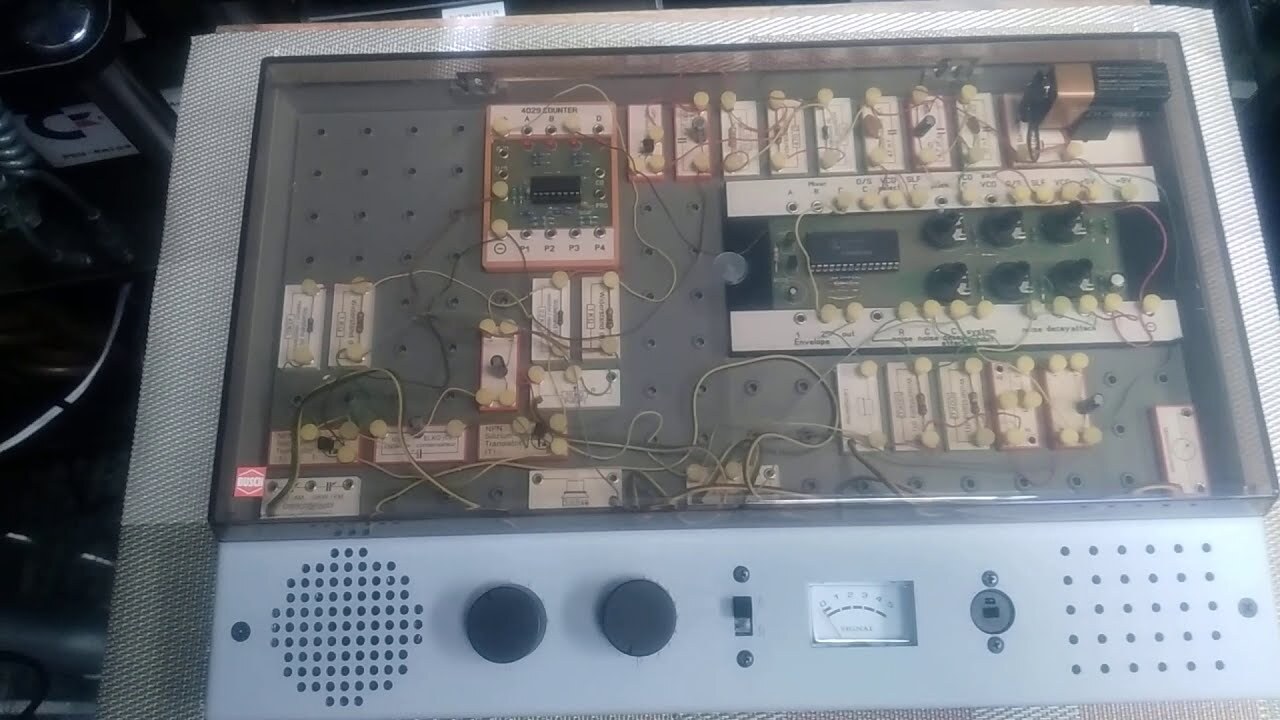
The Busch electronics kits of my childhood, decades later: the Microtronic emulator driving a sound generator built with parts from the Busch electronics kits, as in the Microtronic manual - and the Busch 2073 synthesizer with Frank's and Manfred's new counter and synthesizer modules: the "Morgenstimmung" experiment from the 2073 manual, a noise generator mystery, and a woodpecker that learns to count.
|
Other Educational Computers and Single-Board Trainers YouTube playlists: Educational Computer Systems, Exploring the Microprofessor
|
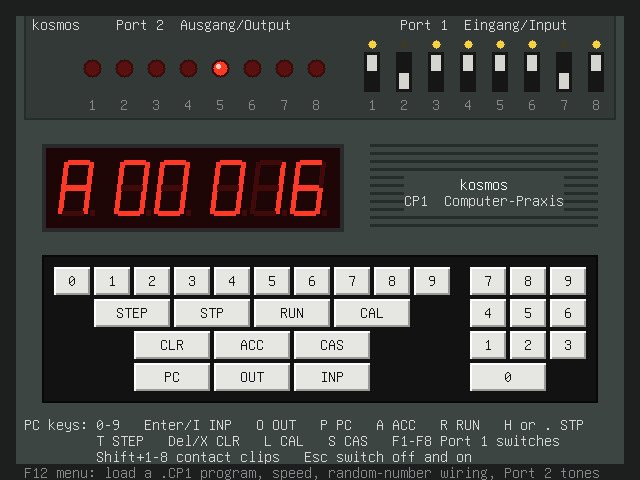
The Kosmos CP1 Computer-Praxis (1983) as a core for the MiSTer FPGA: the original firmware runs on an Intel 8049 in Verilog, checked in lockstep, instruction by instruction, against the browser emulator it is ported from. The two 8155 RAM/I/O chips, the keypad, the six-digit display, Port 1 and Port 2 and the CP3 memory expansion are wired as in the browser emulator; .CP1 program files load from the MiSTer menu, and 63 programs, 48 of them from the Kosmos manual, come with it.
|
|
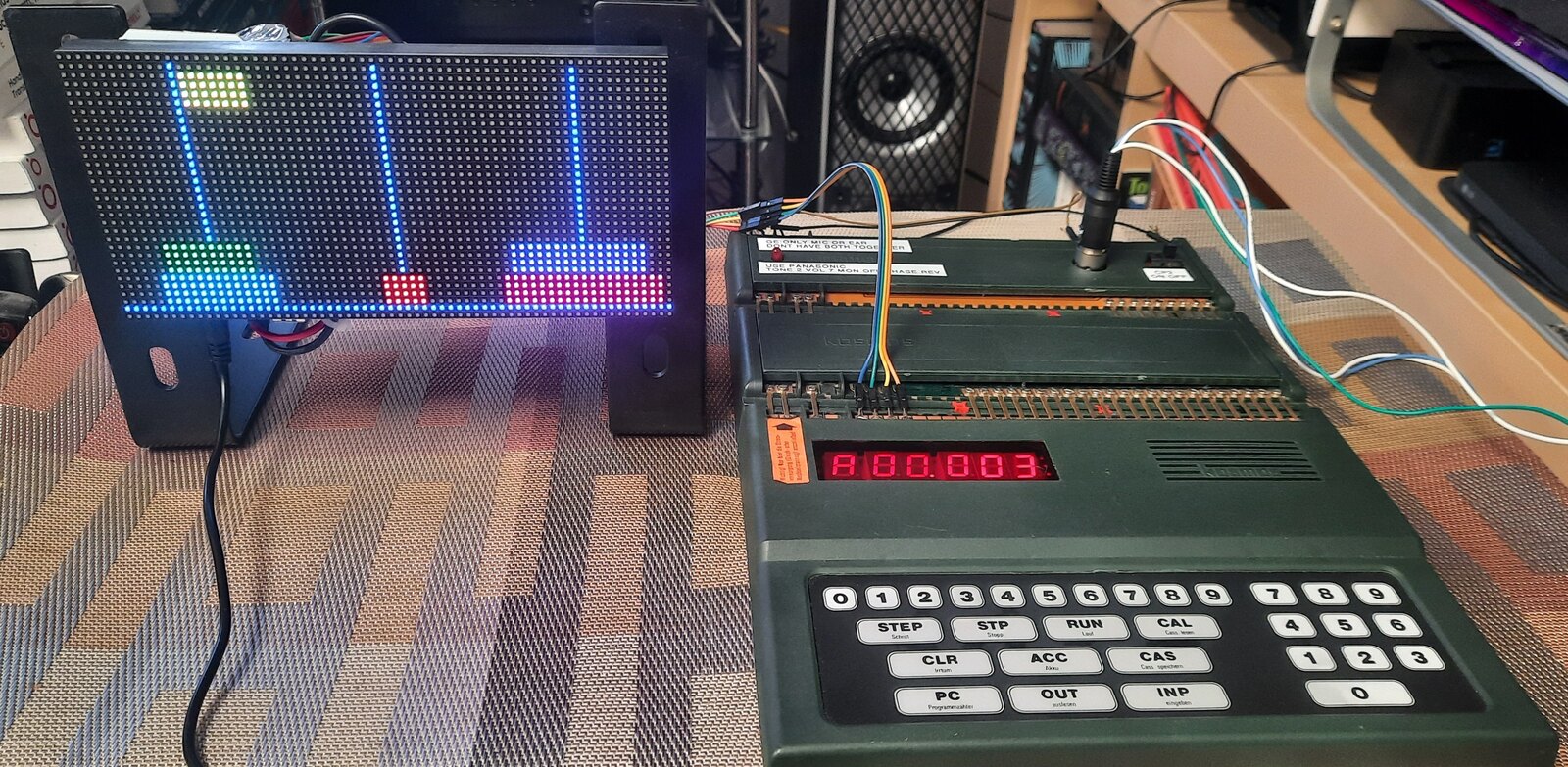
A Kosmos CP1 from 1984 solves the Towers of Hanoi and streams its moves over a four-bit protocol to an Arduino Mega 2560, which animates the disks on a 64x32 RGB LED matrix. A second version moves real disks with a pan/tilt robot arm. Claude wrote the Arduino matrix firmware and the protocol.
Press and awards:
Hackaday Retrocomputing Challenge 2026: honorable mention (Old Iron)
|
|
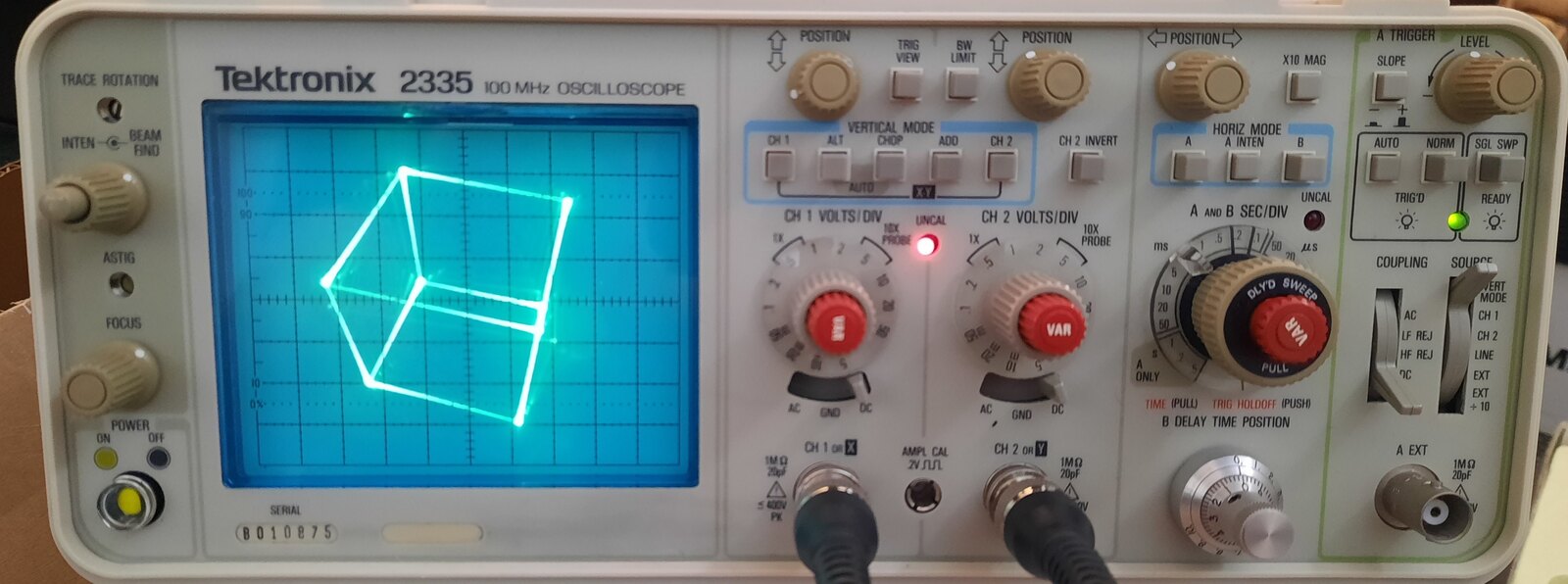
Real-time 3-D wireframe vector graphics (cube, torus, sphere) on an X-Y oscilloscope, in INS8070 machine code on a 1984 Philips MC6400 MasterLab. Claude wrote all of the vector graphics programs and designed the R-2R DAC, under my direction.
Press and awards:
Hackaday Retrocomputing Challenge 2026: honorable mention (Old Iron)
|
|
MPF GRAF-X
03/2026
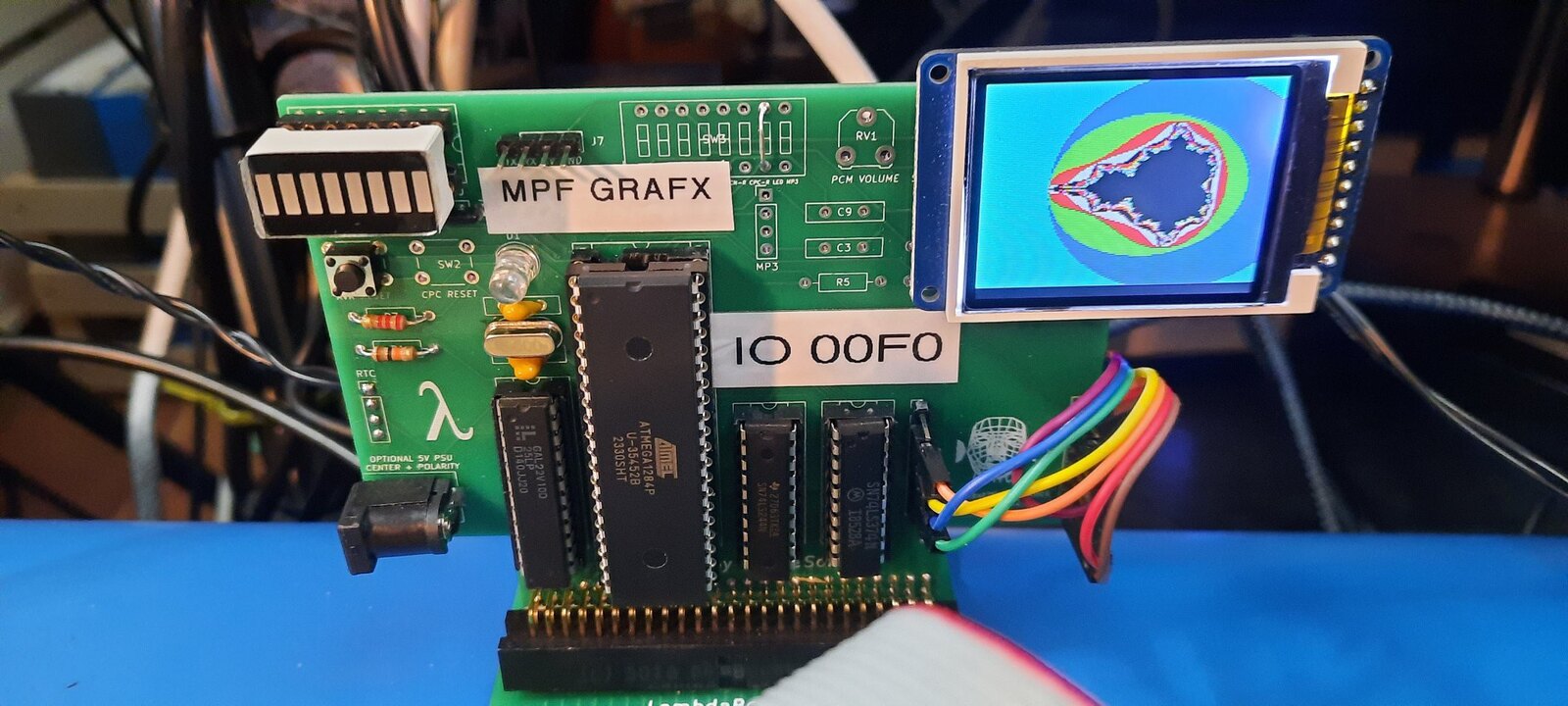
A graphics card for the Multitech Microprofessor MPF-1B: a 1.8 inch colour TFT display driven by an ATmega1284p over a Z80 I/O port. Originally a RetroChallenge 2025/10 entry.
|
|
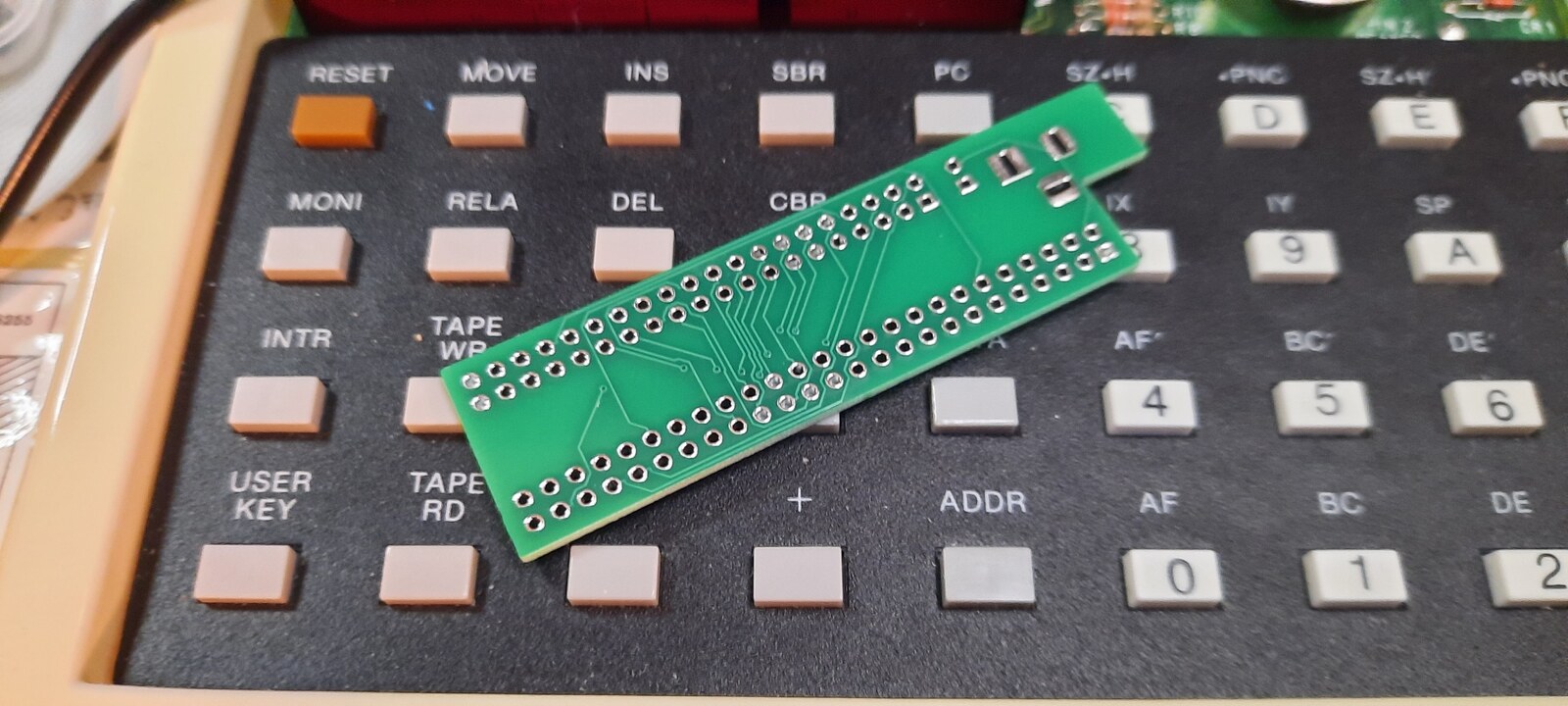
The Microprofessor to CPC expansion port adapter
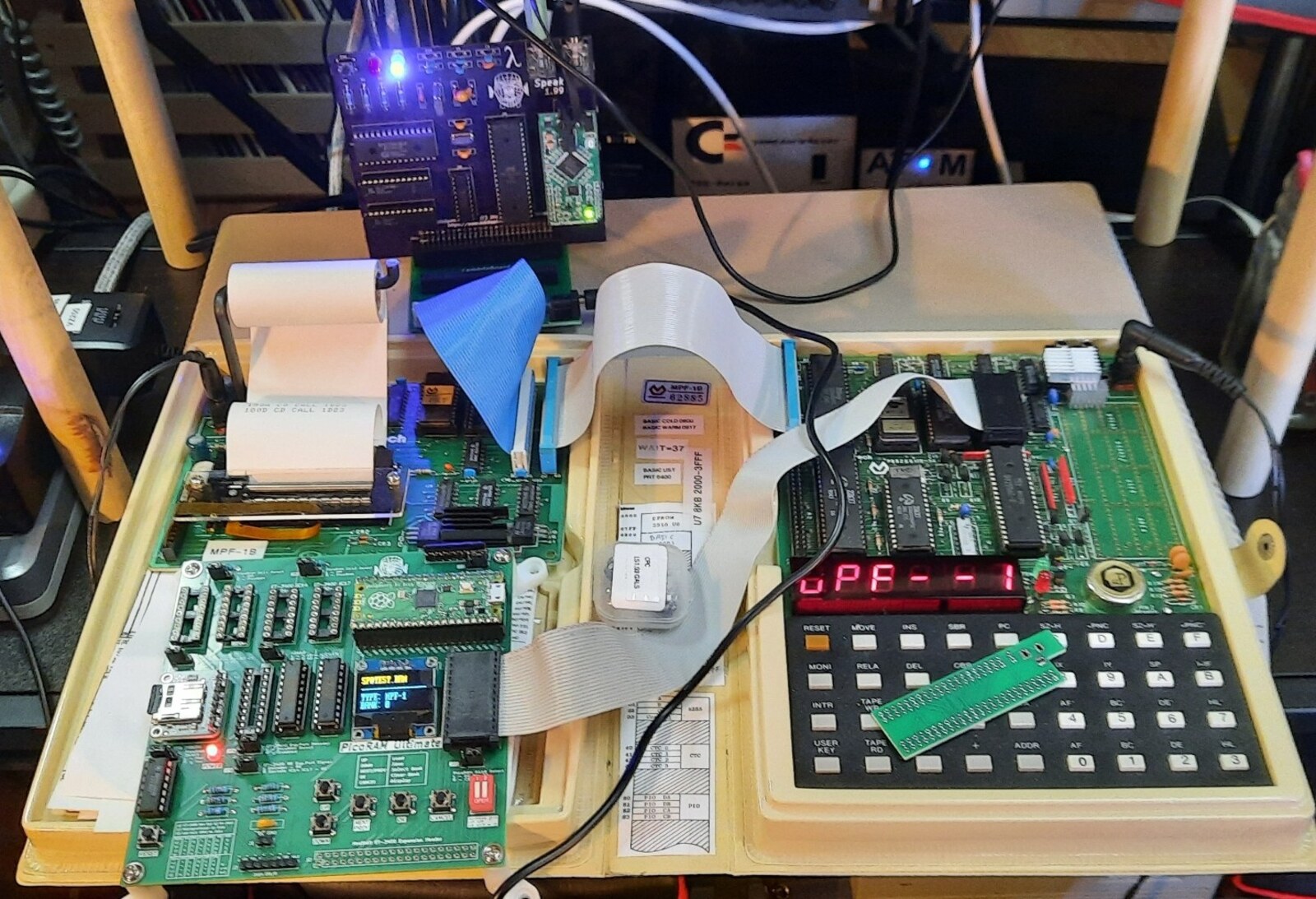
My LambdaSpeak 1.99 from 2018, refactored for the 1981 Multitech Microprofessor MPF-1B. The SSB-MPF speech synthesizer with its TMS5200 is unobtainium - and LambdaSpeak is the better deal anyway: natural-sounding DECtalk text-to-speech, no allophone encoding required, and the original SP0256-AL2 chip as a second voice. An adapter board of mine connects the Microprofessor to a CPC expansion backplane, so that my Amstrad CPC expansion cards can work with it after small changes to their address decoders and firmware. For LambdaSpeak, I reprogrammed the GALs to listen to port 0xFE.
|
|
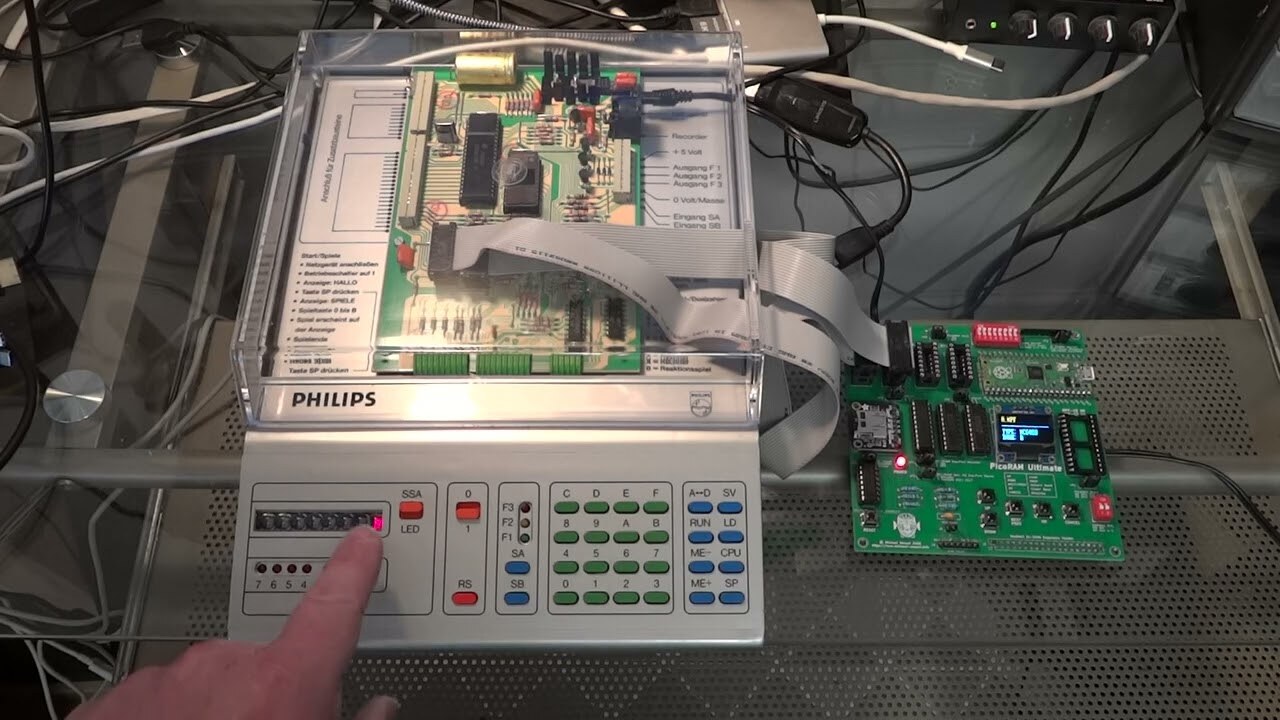
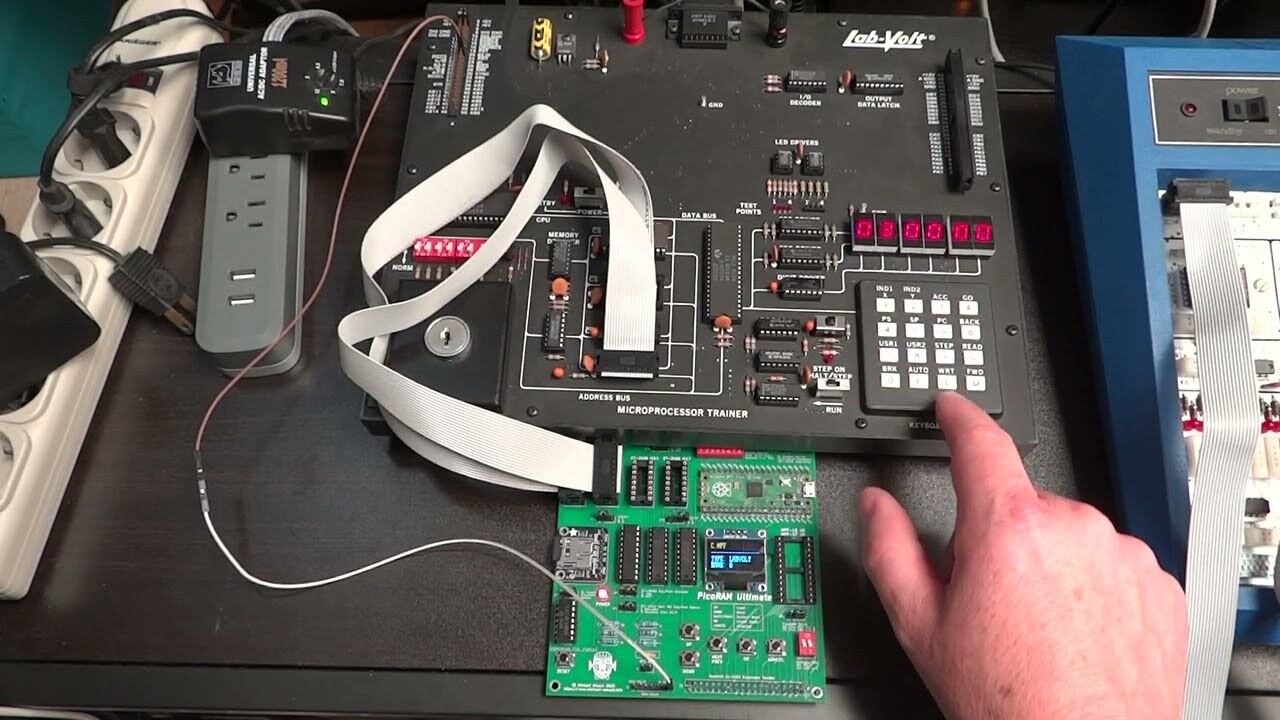
With the Philips MC6400 MasterLab and the Lab-Volt 6502 trainer
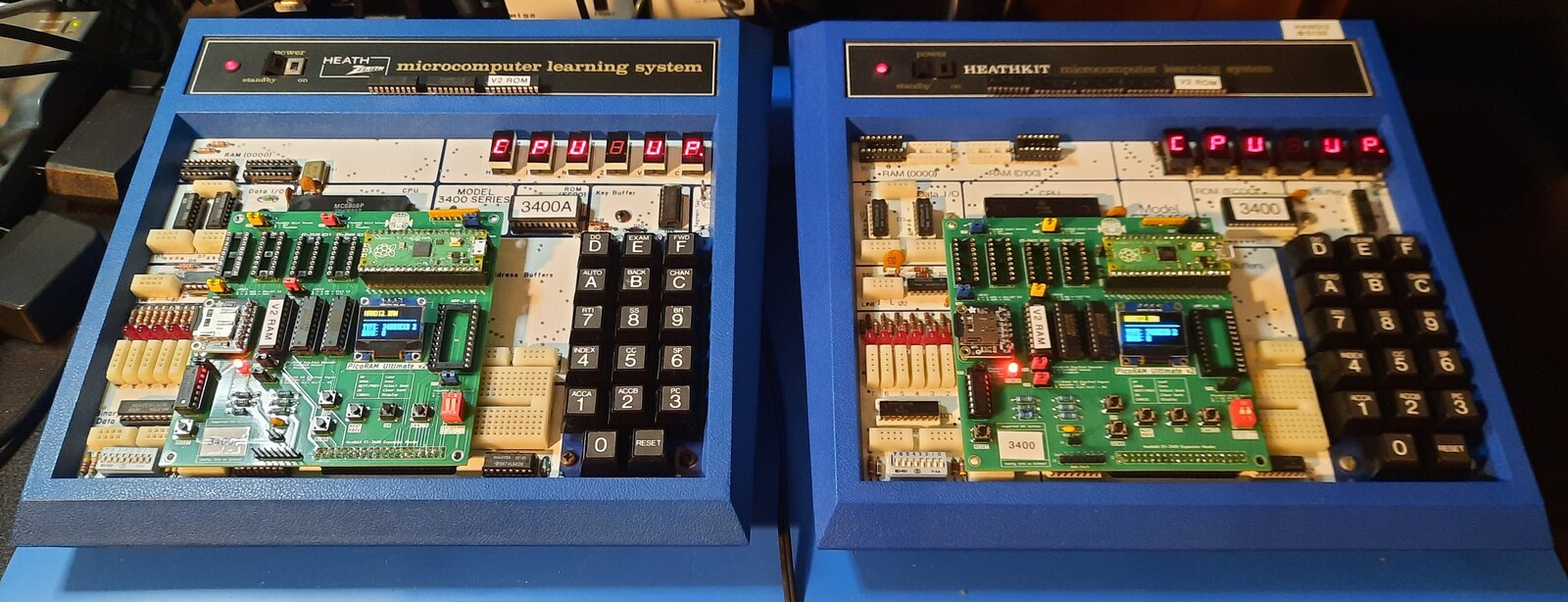
An SRAM Emulator and SD Card Interface for Vintage Single Board Computers: the Heathkit ET-3400 and ET-3400A (also as a 4 KB memory expansion and as ROM emulator), the Multitech Microprofessor MPF-1, MPF-1B and MPF-1P, the Lab-Volt 6502 trainer, and the Philips MC6400 MasterLab - for which it is the only modern mass-storage option. The hardware and firmware are my own; some programs for it were written with Claude Code.
Github
Hackaday.io project
YouTube playlist: PicoRAM
Video: memory expansion mode on the Heathkit ET-3400
Video: PicoRAM as PicoROM
Video: with the Philips MC6400 MasterLab
Video: MasterLab - loading the NIM game from SD card
Video: with the Lab-Volt 6502 trainer
Video: with the Microprofessor MPF-1B
Video: breakthrough with the ET-3400A
Video: stress testing session
Video: an SD card interface for the Heathkit ET-3400
|
|
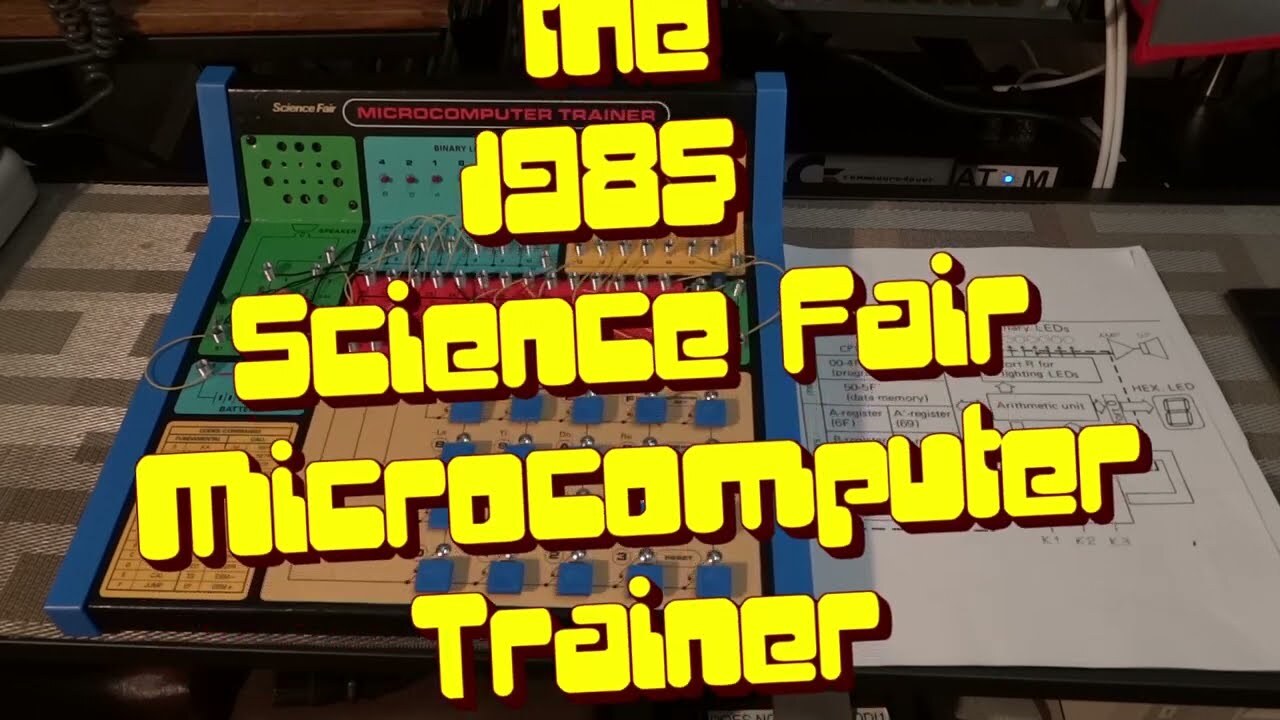
Exploring Radio Shack's Science Fair Microcomputer Trainer from 1985, built around the TI TMS1100 4-bit microcontroller: how fast is it (about 400 instructions per second), and how do you program it? With Jason Jacques and decle: a recursive Towers of Hanoi in just 80 nibbles, written by Jason, a dump of the TMS1100 ROM, and a quick reference card.
Hackaday.io project
Video: how fast is the Science Fair Microcomputer Trainer?
Video: programming the trainer
Video: in 80 nibbles around the Towers of Hanoi
Press and awards:
Hackaday: A Deep Dive Into A 1980s Radio Shack Computer Trainer (2024)
|
|
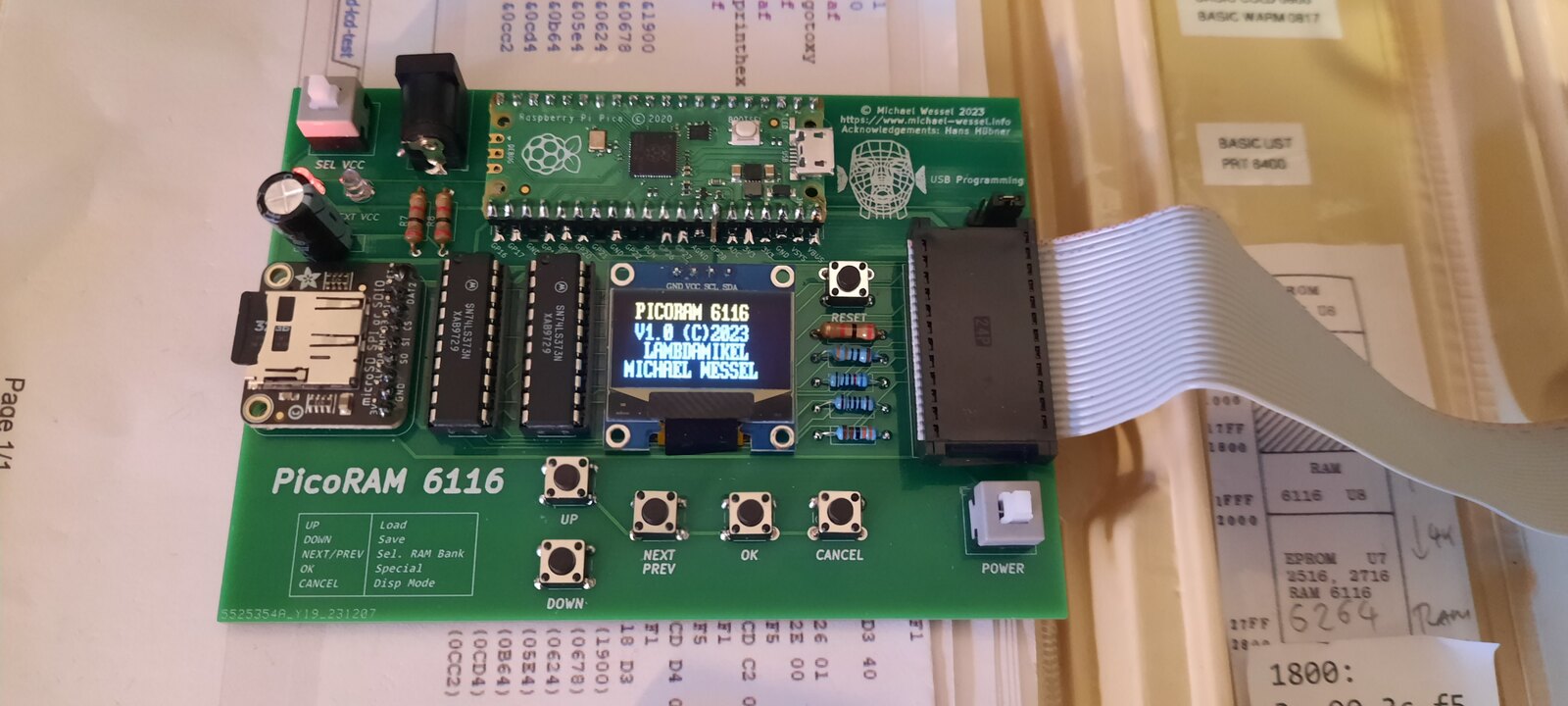
PicoRAM 6116
12/2023
A Raspberry Pi Pico (RP2040)-based 6116 SRAM Emulator and SD Card Interface for the Microprofessor.
|
|
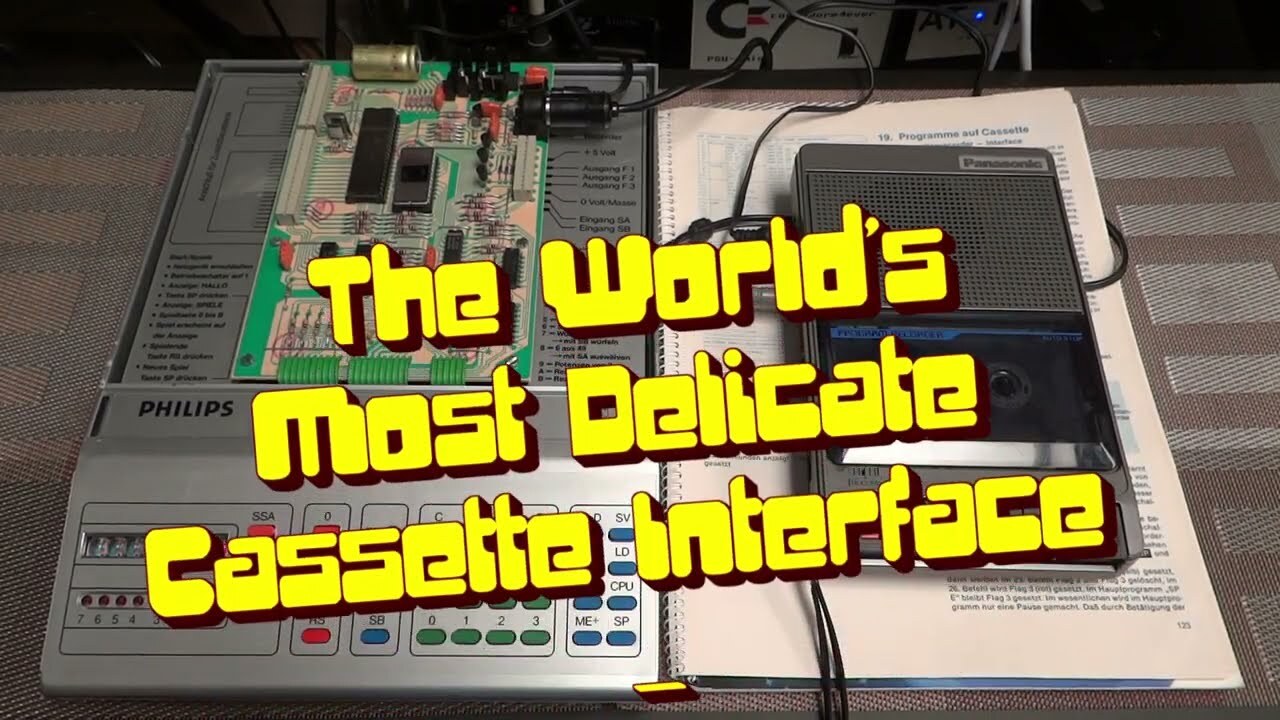
The world's most finicky cassette interface
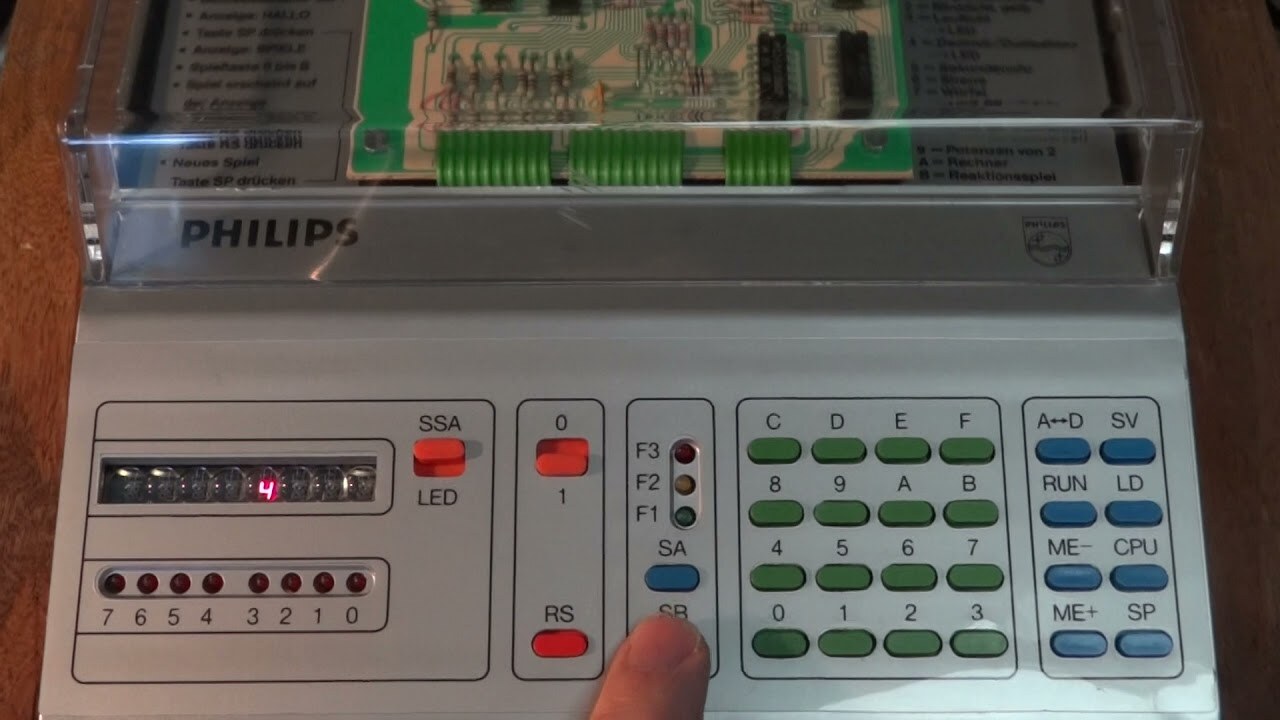
Philips MasterLab MC6400
11/2021 - 06/2024
The Philips MasterLab MC6400, a very rare educational computer released by Philips Germany in the mid-1980s and powered by the National Semiconductor SC/MP III (INS8070) - probably no more than a few hundred were made. Its built-in game programs, the program cassette, the world's most ingenious, minimalist and finicky cassette interface, and how fast it computes compared to the other educational computers of its time.
|
Other Machines YouTube playlist: Retro Computing
|
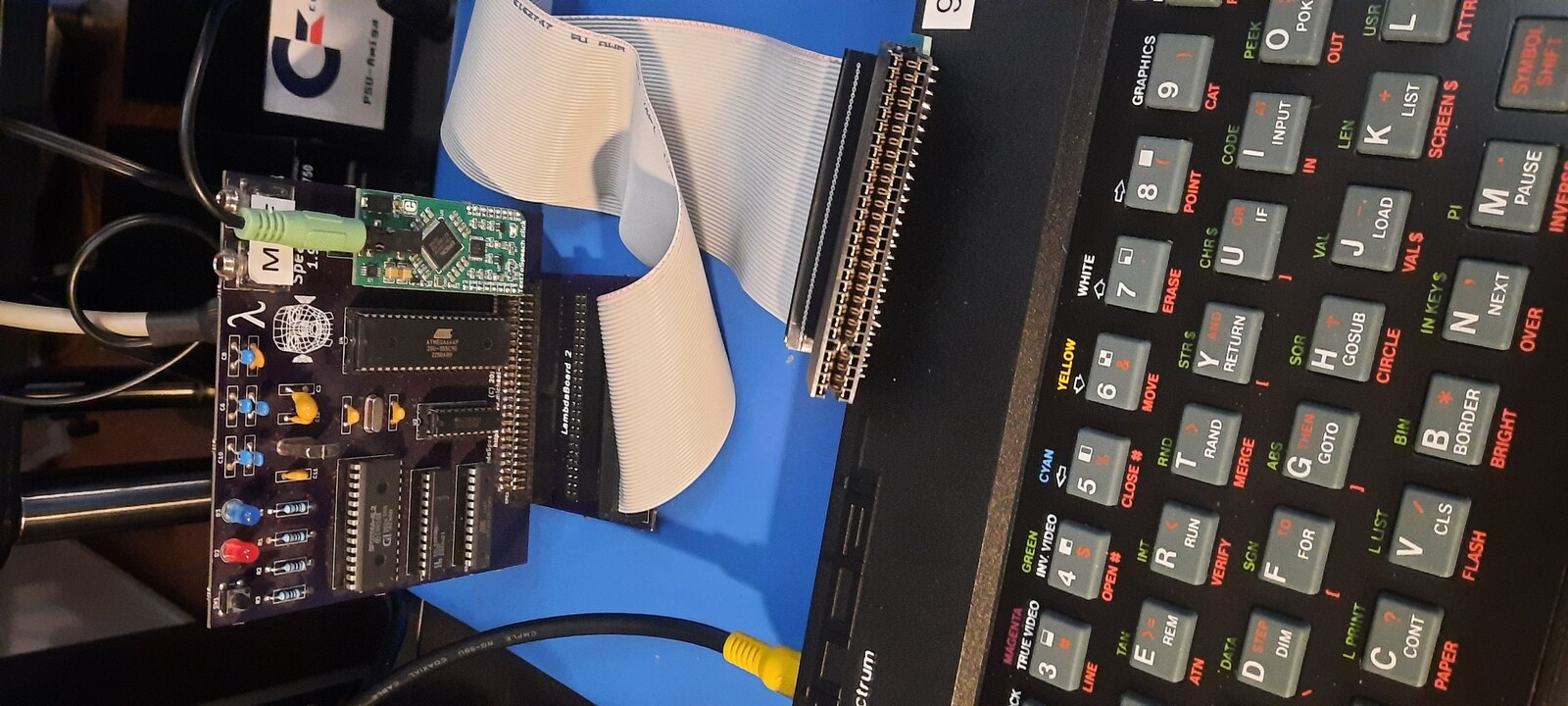
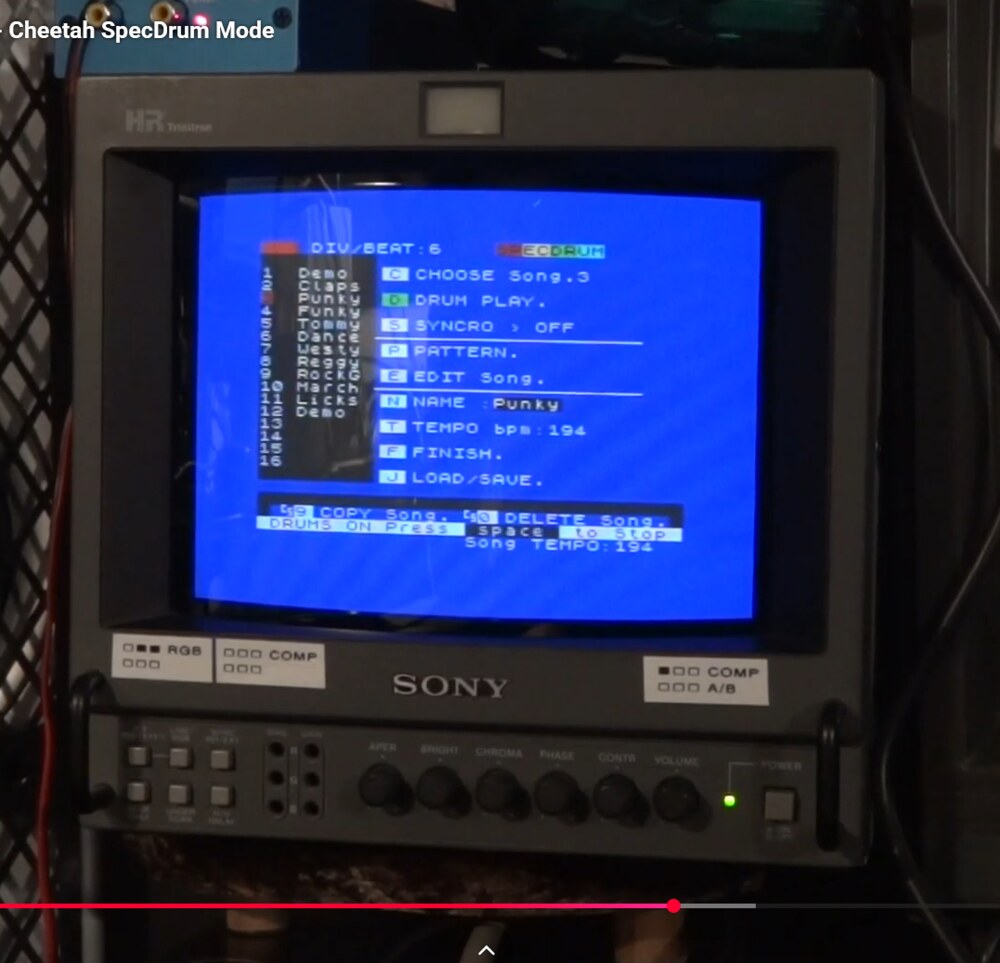
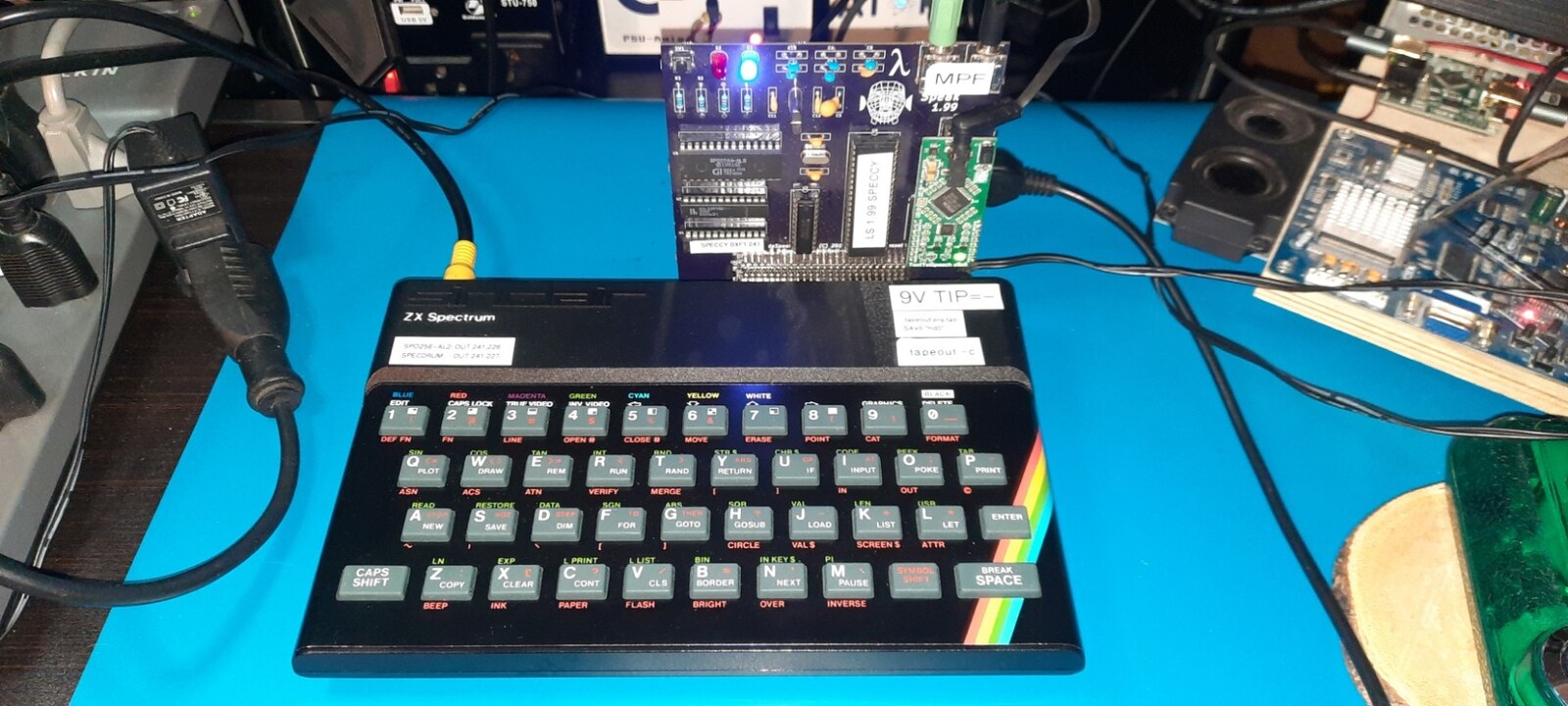
The ZX Spectrum to CPC adapter, and the SpecDrum software running on LambdaSpeak
LambdaSpeak 1.99 for the ZX Spectrum
11/2025 - 12/2025
LambdaSpeak 1.99, refactored for the Sinclair ZX Spectrum: DECtalk text-to-speech, the original SP0256-AL2 chip, and the Amdrum PCM sample mode, which became an emulation of the Cheetah SpecDrum - the Spectrum's counterpart of the Amdrum. My ZX Spectrum to CPC adapter connects a CPC expansion backplane such as LambdaBoard or MegaLambda, and passes the Spectrum's expansion port through, so that a DivMMC and other Spectrum expansions keep working; a later direct adapter adds one Mx4 slot right to the Spectrum. Amstrad CPC expansion cards work with it after small changes - for LambdaSpeak, a new address decoder for port 0xF1, and a non-blocking firmware, as the Spectrum does not like to be halted.
|
|
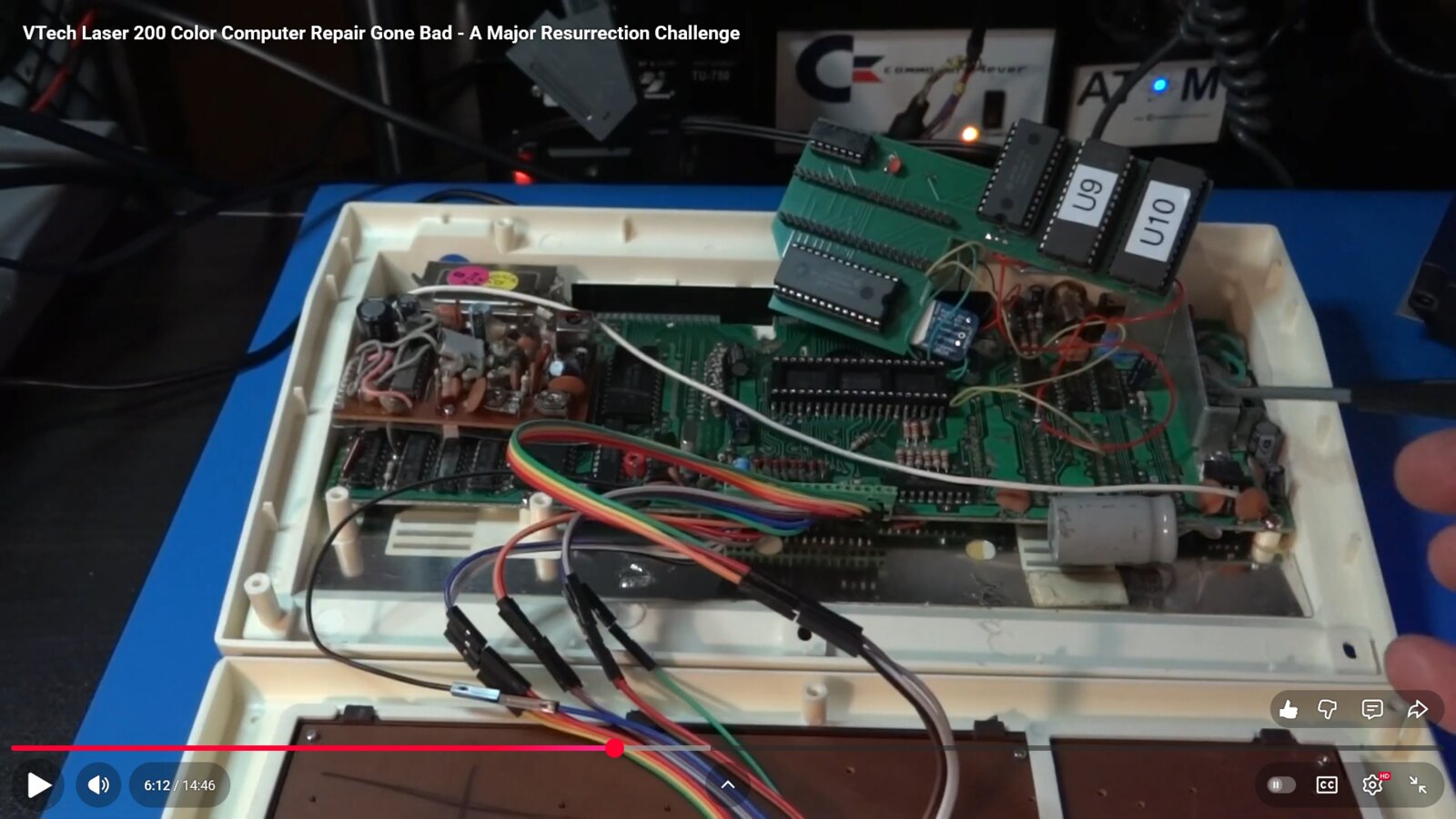
VZ-200 Lazarus Daughter Board
11/2025
Resurrect your Laser VZ-200 Color Computer with this All-In-One Memory Sub-System Daughter Board.
Press and awards:
Hackaday Retrocomputing Challenge 2026: honorable mention (Old Iron)
|
|
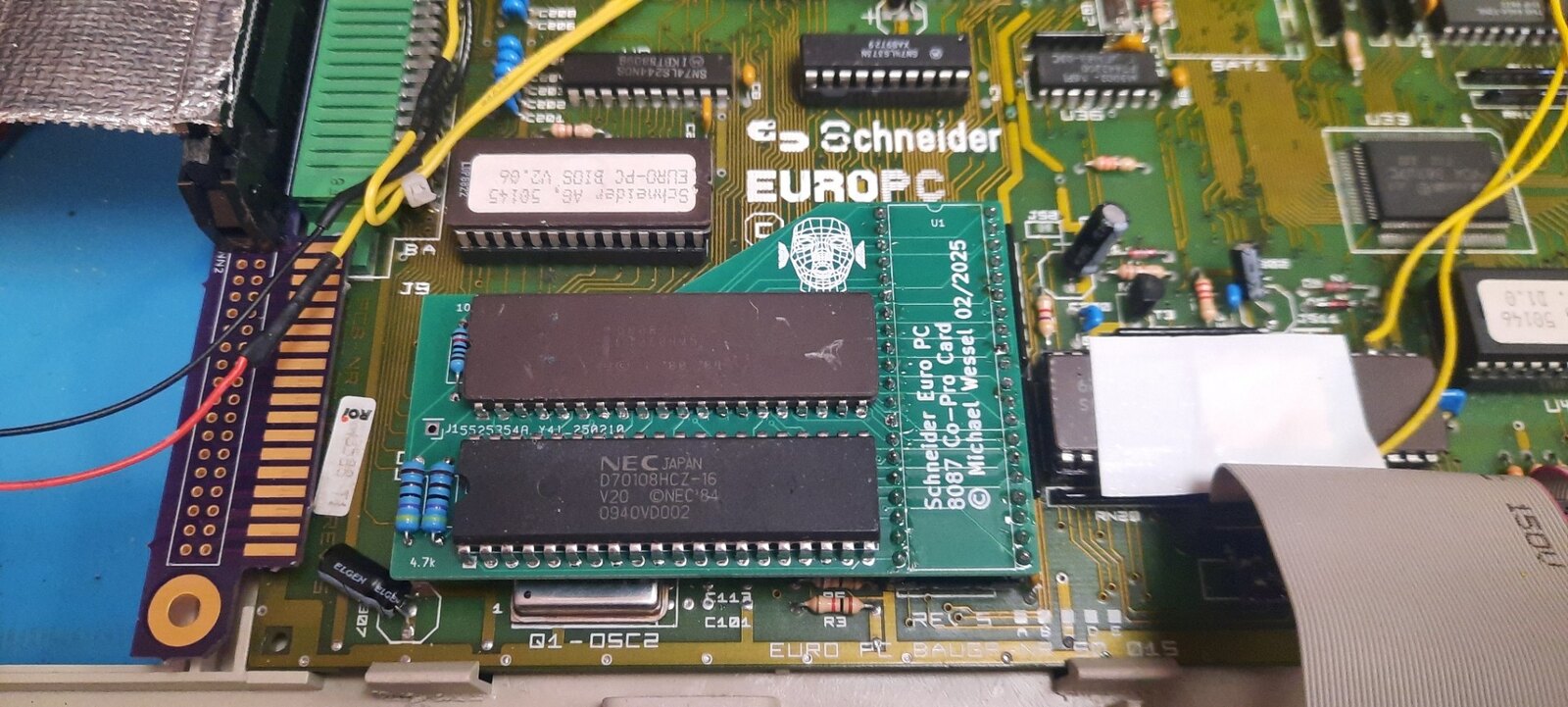
An 8087 Co-Processor Extension Board for the Schneider Euro PC 1.
|
|
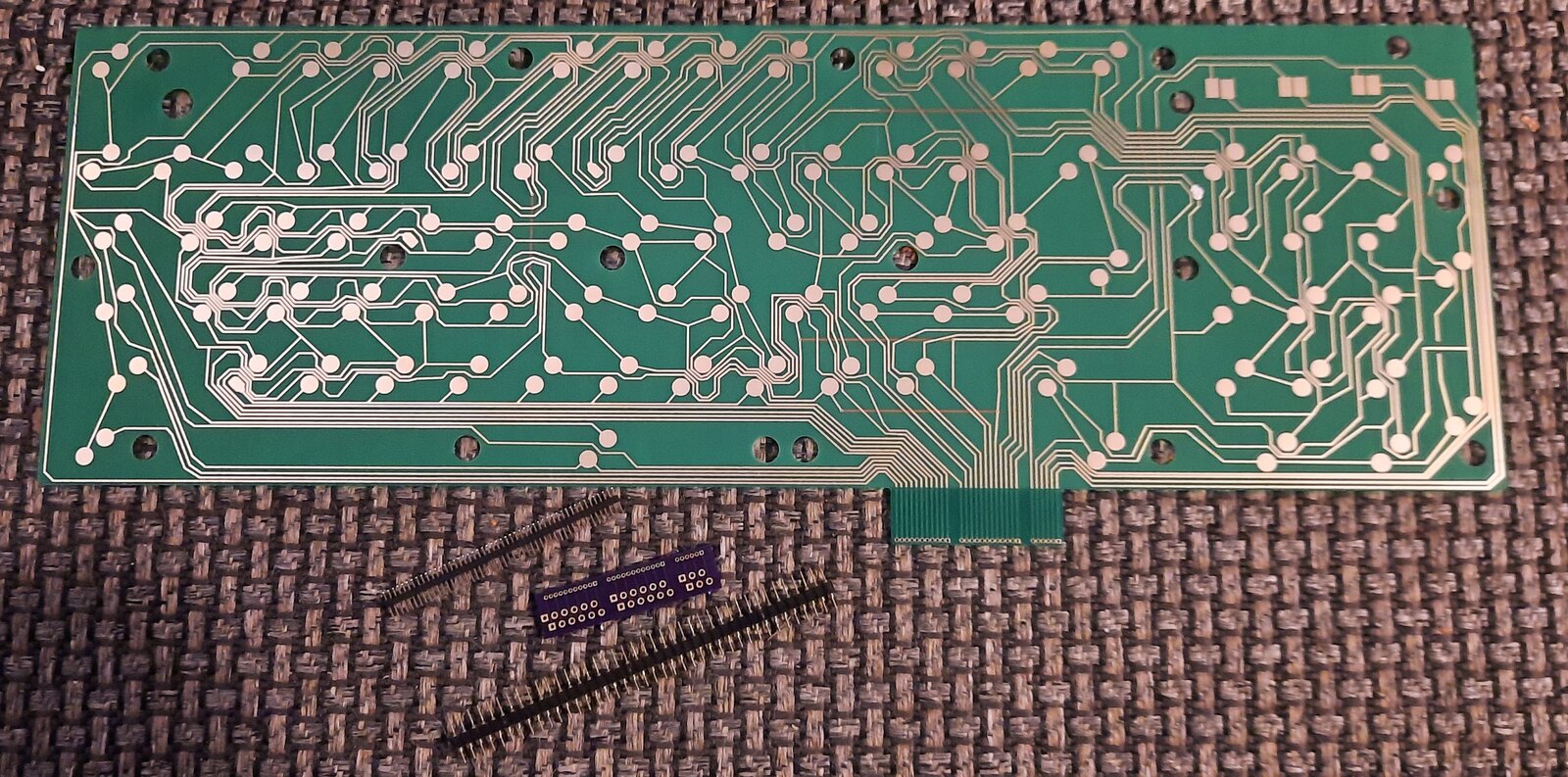
Schneider EuroPC Keyboard Membrane Replacement.
|
Maker Projects
|
The Inspirer
12/2021
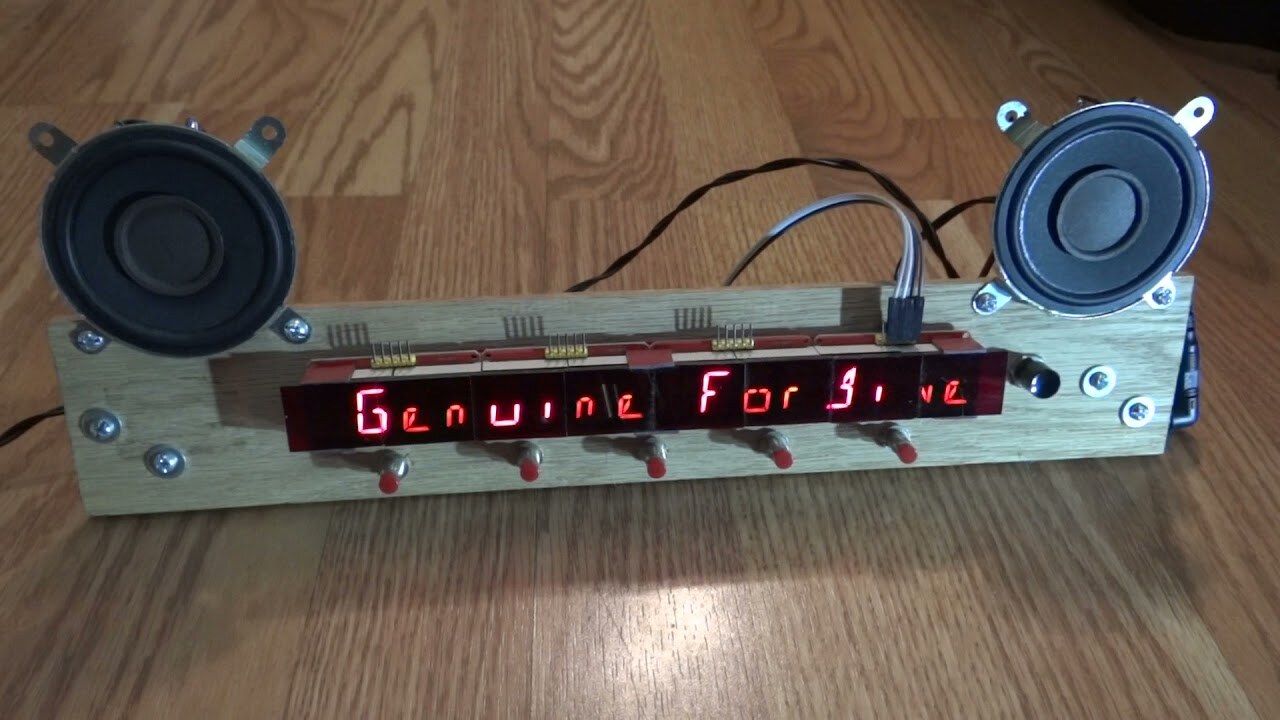
A desktop gadget against the winter gloom: a wooden strip with a row of 14-segment LED displays behind a red filter shows inspirational quotes from 120 categories, while an MP3 module plays soothing music. An Arduino picks the quotes, drives the display and reads the buttons; quotes and music come from two microSD cards, all offline.
|
|
microKORG Loudspeaker Mod
06/2020
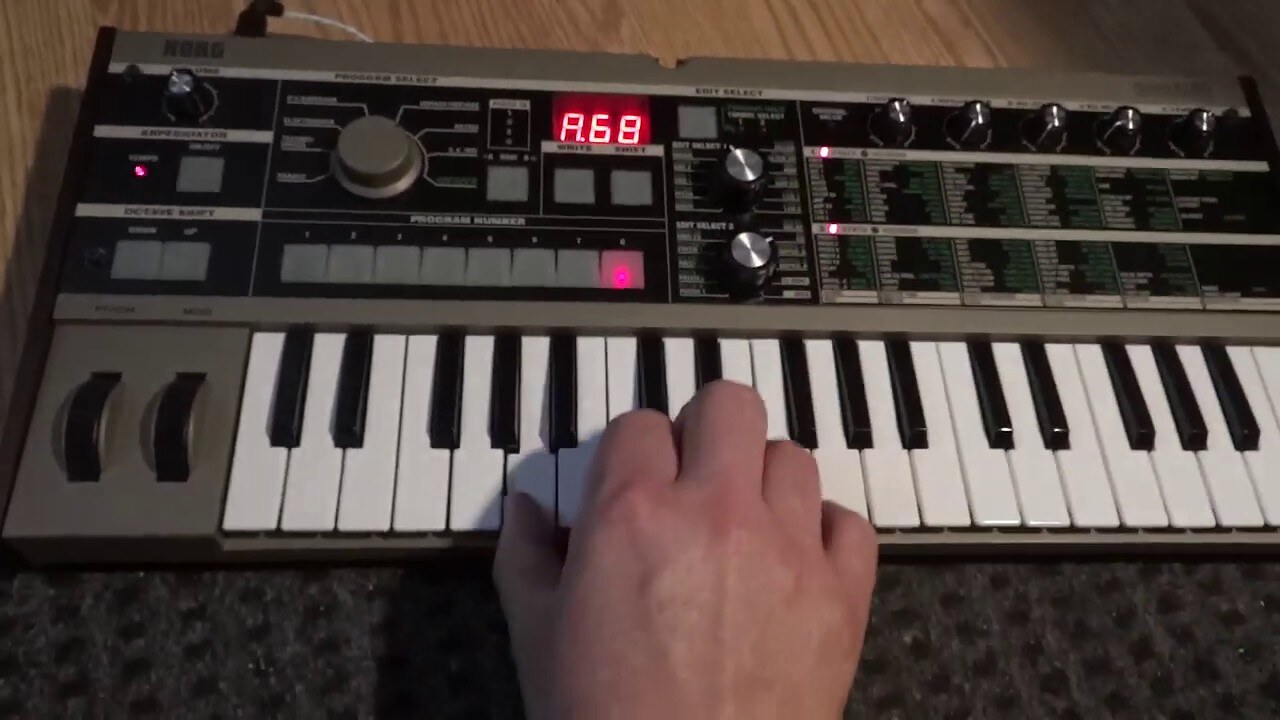
Loudspeakers built into my old microKORG synthesizer - essentially turning it into a microKORG S: two flat 20 W full-range speakers and a PAM8403 class D amplifier, with a speaker on/off switch, and the motherboard left untouched.
|
|
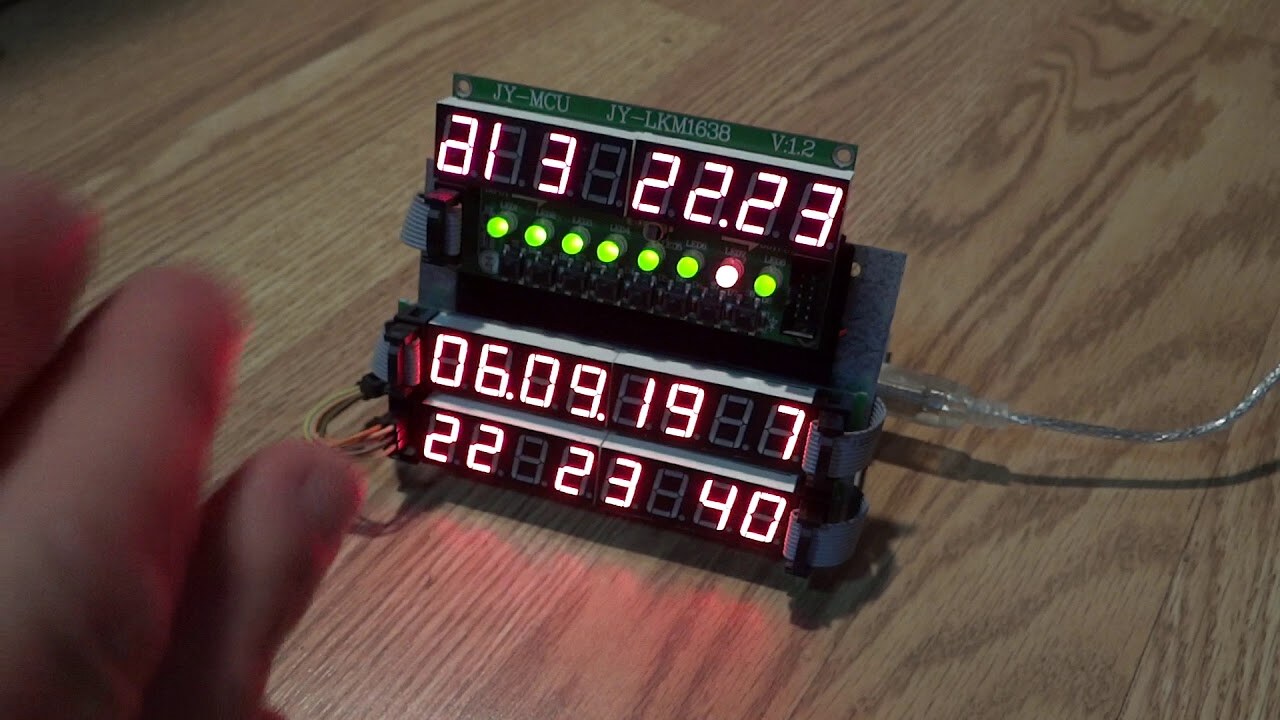
I always had to set the digital clocks for my grandparents in the 1980s - so here is the clock they could have set themselves: three large LED displays with a button for each digit, LED indicators, seven alarms, temperature, and the days, hours and minutes since a special date such as a birthday. A ringing alarm is silenced by clapping your hands or shouting "STOP". An Arduino Mega with a battery-backed DS3231 real-time clock.
|
Demos and Tips & Tricks YouTube playlist: Retro Computing
|
TFT & CRT Video Tips & Tricks
05/2022 - 05/2026
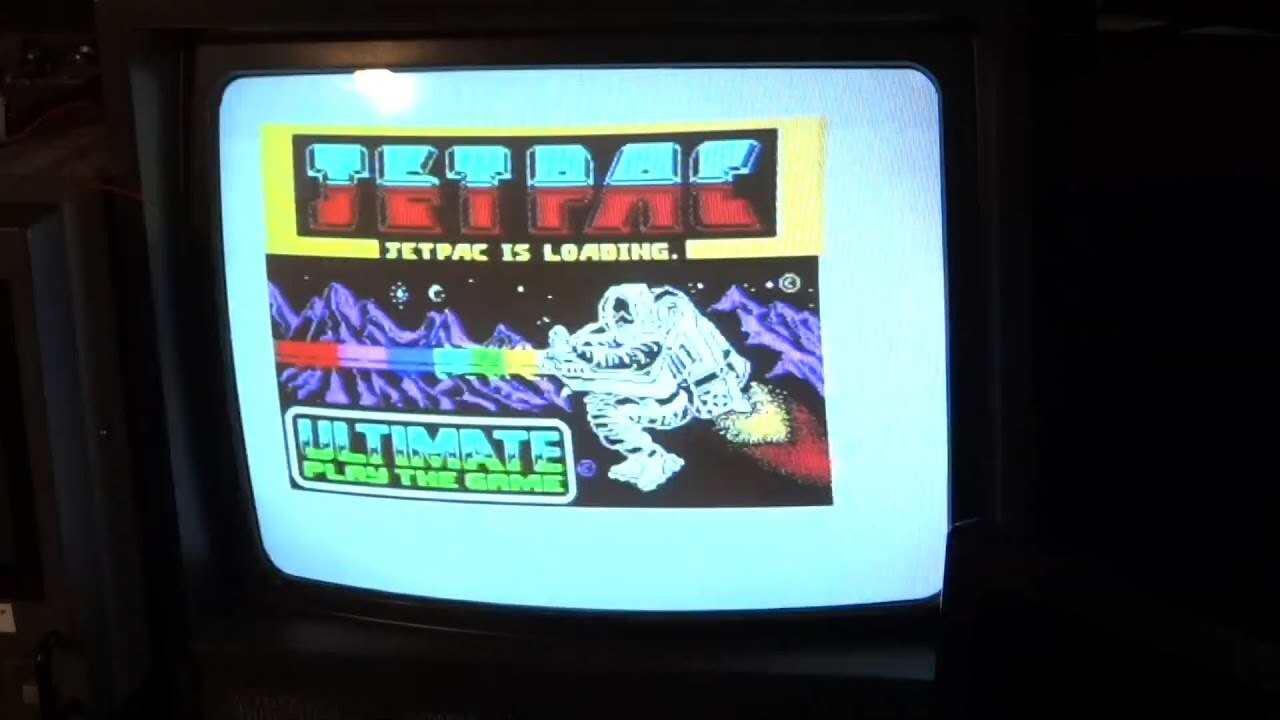
Getting the best picture out of vintage computers and monitors: the ultimate RGB CRT monitor hack, my composite video adapter for the Amstrad CTM 644 colour monitor, PAL composite from a C64 on the CTM through a sync converter, 80 columns on the CTM, and modern HDMI converters such as the GBS-8220 - with their lag measured on the CPC.
Video: the ultimate CRT monitor hack
Video: my composite video adapter for the CTM 644
Video: a C64 on the CTM 644 via a sync converter
Video: 80 columns on the CTM
Video: the HDMI version of the GBS-8220
Video: measuring HDMI converter lag
Video: SPI or I2C? Monochrome display options for microcontroller projects
|
|
TRS-80 Model 100 with REX and CP/M
07/2024 - 08/2024
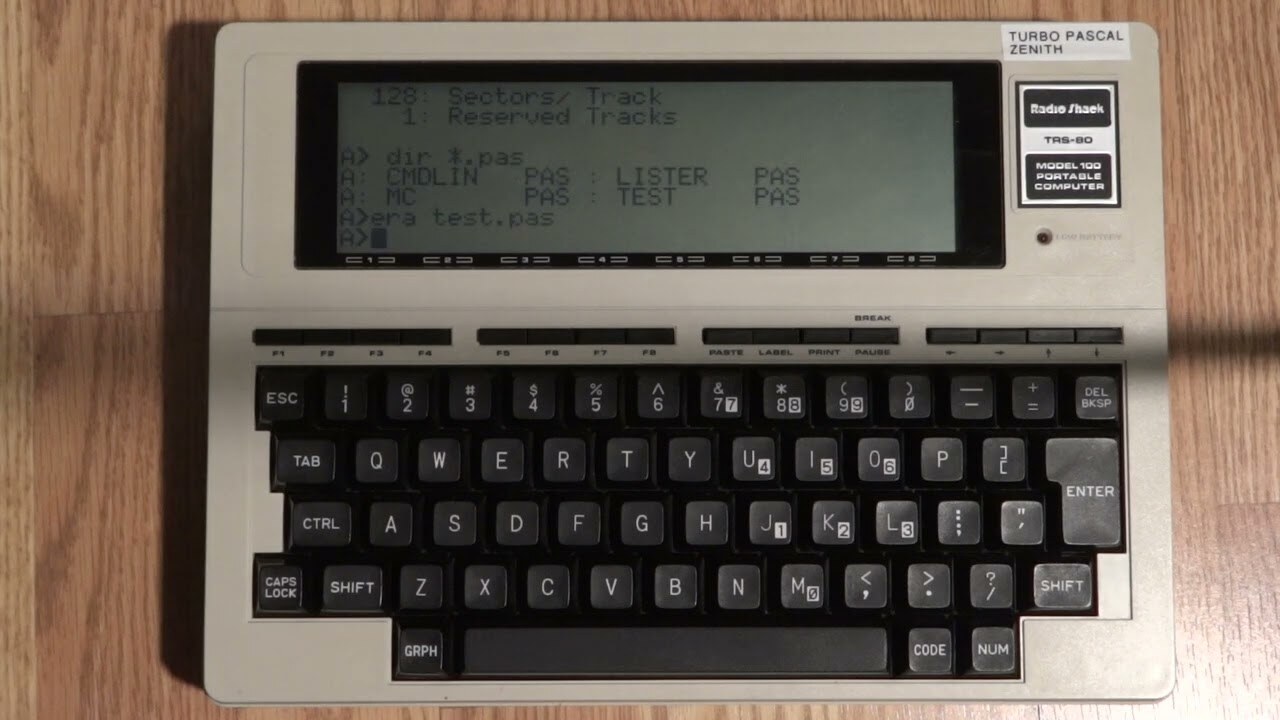
How-tos for the TRS-80 Model 100: installing and updating the REX ROM and RAM expansion, and REXCPM with the NSC800 CPU upgrade, which turns the Model 100 into a Z80 CP/M machine that runs Turbo Pascal and other Z80 programs. Also: the Model 100 as a CP/M terminal for a TRS-80 Model 4, and the barcode reader.
Video: an elegant weapon of a more civilized age - CP/M and the NSC800
Video: how to run Turbo Pascal on the Model 100
Video: REX update and reinstallation (with the NEC PC-8201a)
Video: CP/M terminal emulation with a Model 4
Video: the barcode reader
Video: #septandy - fixing a Model 100 that would not boot (part 1 of 4)
|
|
Triumph-Adler Alphatronic PC
12/2021 - 07/2024
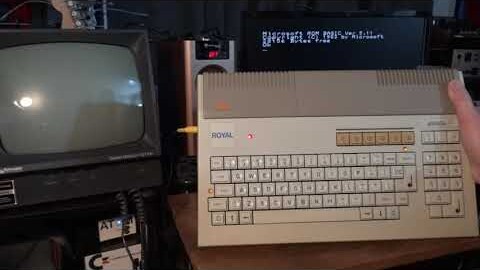
A full system demo of the Triumph-Adler (Royal) Alphatronic PC, a Z80 home and business computer from 1983 that was mostly sold in Germany: printer, disk drive, Gotek, Disk BASIC and CP/M software, with tips and tricks.
|
|
Schneider Euro PC
12/2022 - 02/2025
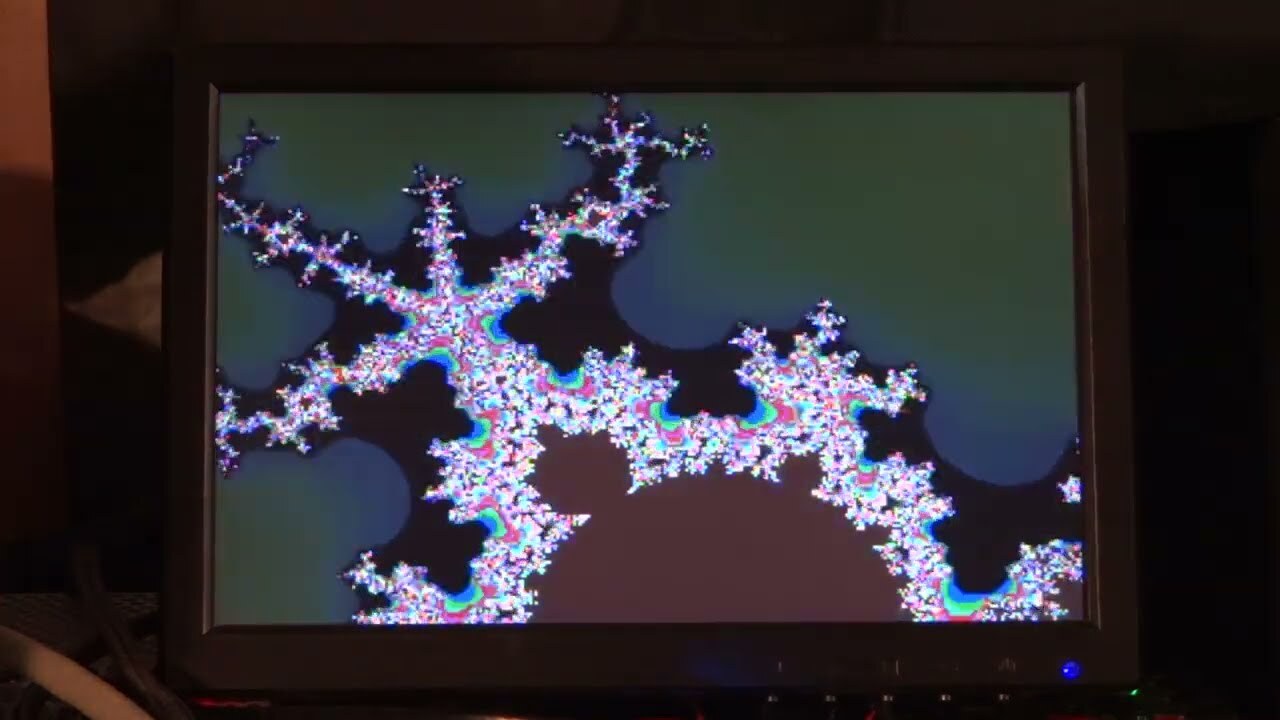
My Schneider Euro PC, resurrected from the dead and turned into the world's most upgraded Euro PC: VGA, a CF card hard disk, 1 MB of RAM, an MPU-401 MIDI interface and AdLib sound. Plus repair notes, Plantronics 16-colour graphics and OPL3LPT sound - and my own 8087 co-processor board and keyboard replacement, see the cards above.
|
|
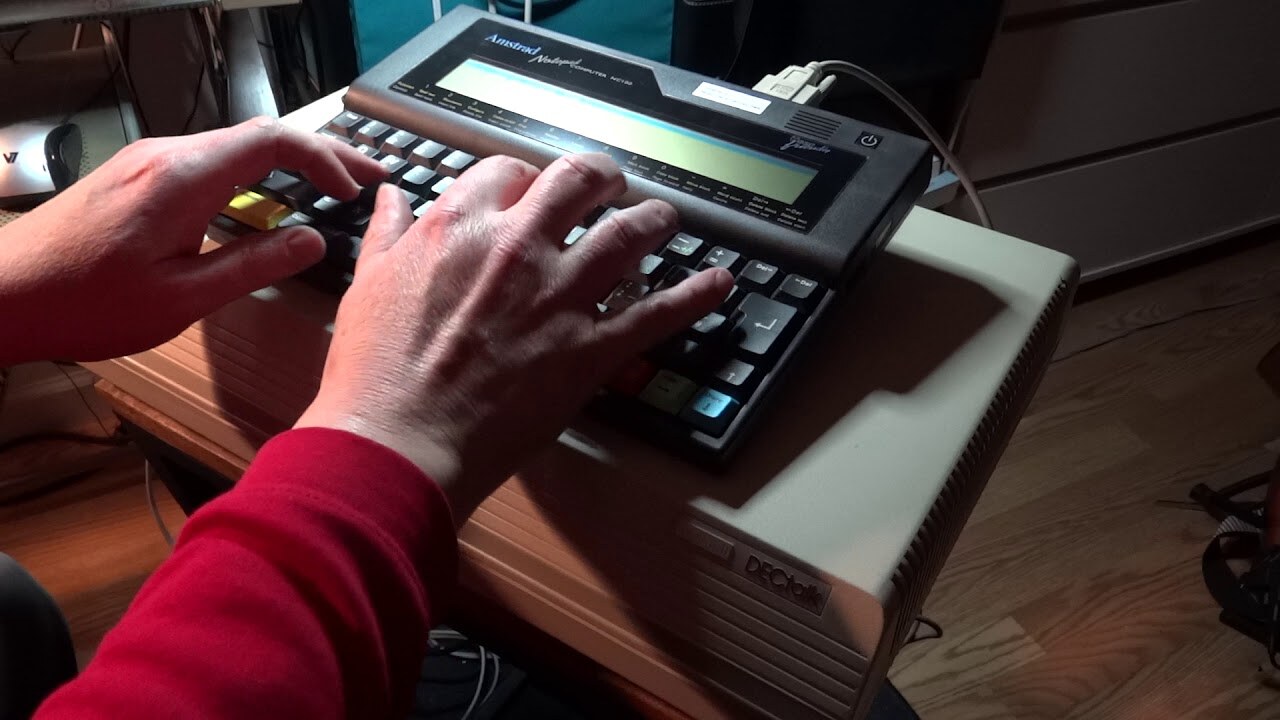
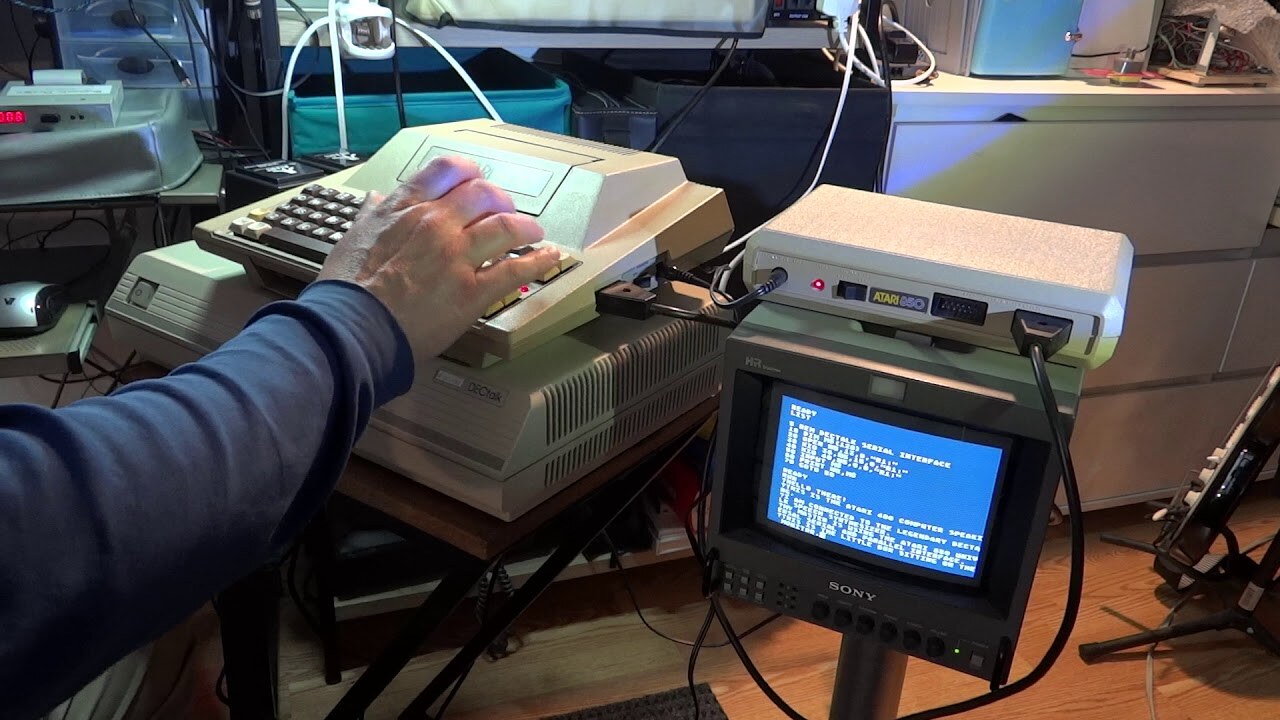
With the Amstrad NC100, and with the Atari 400 and 850
DECtalk DTC01 Demos
03/2019
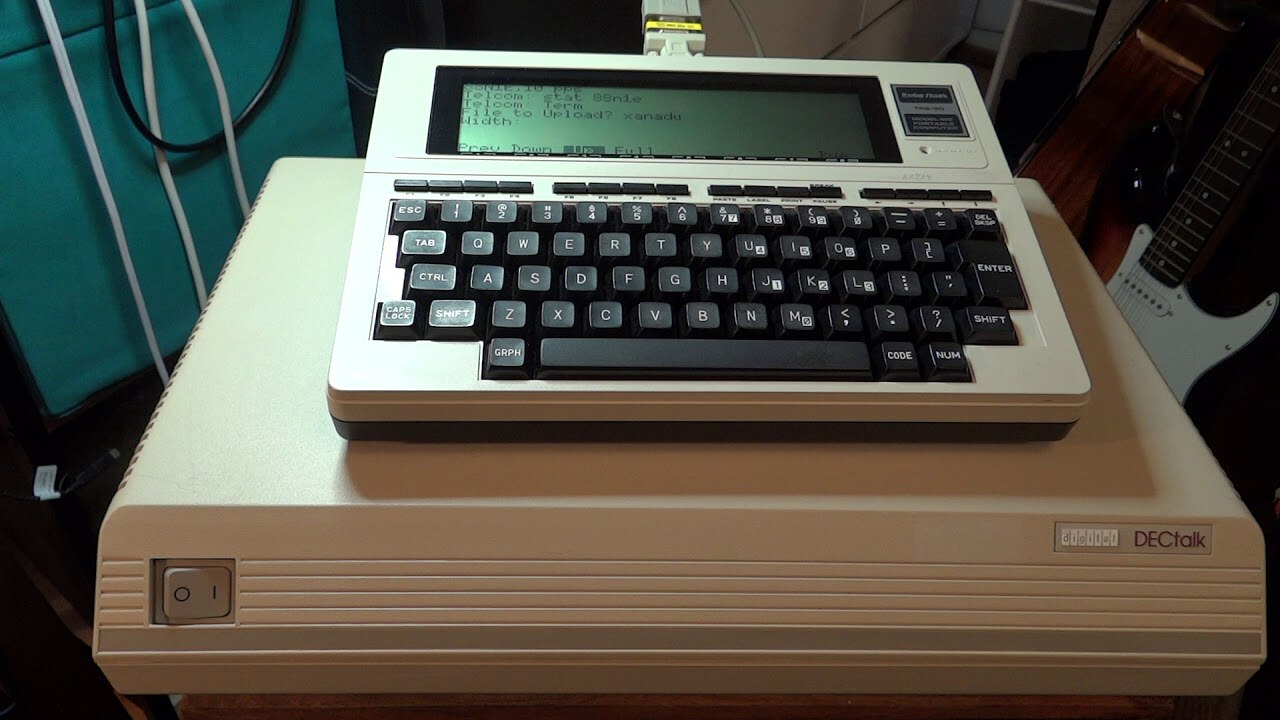
DEC's legendary DECtalk DTC01 speech synthesizer from 1984 - whose DECtalk software lives on in the Emic-2 and in LambdaSpeak - connected to vintage computers over RS-232. A TRS-80 Model 100 sends it Xanadu as a text file of phonemes, and it sings; it also talks to an Atari 400 with the Atari 850 interface, and to the Amstrad NC100 notepad.
Video: DECtalk and the TRS-80 Model 100 singing "Xanadu"
Video: with the Amstrad NC100
Video: with the Atari 400 and 850
Press and awards:
Hackaday: Vintage Speech Synthesizer Croons The Oldies (2019)
|
|
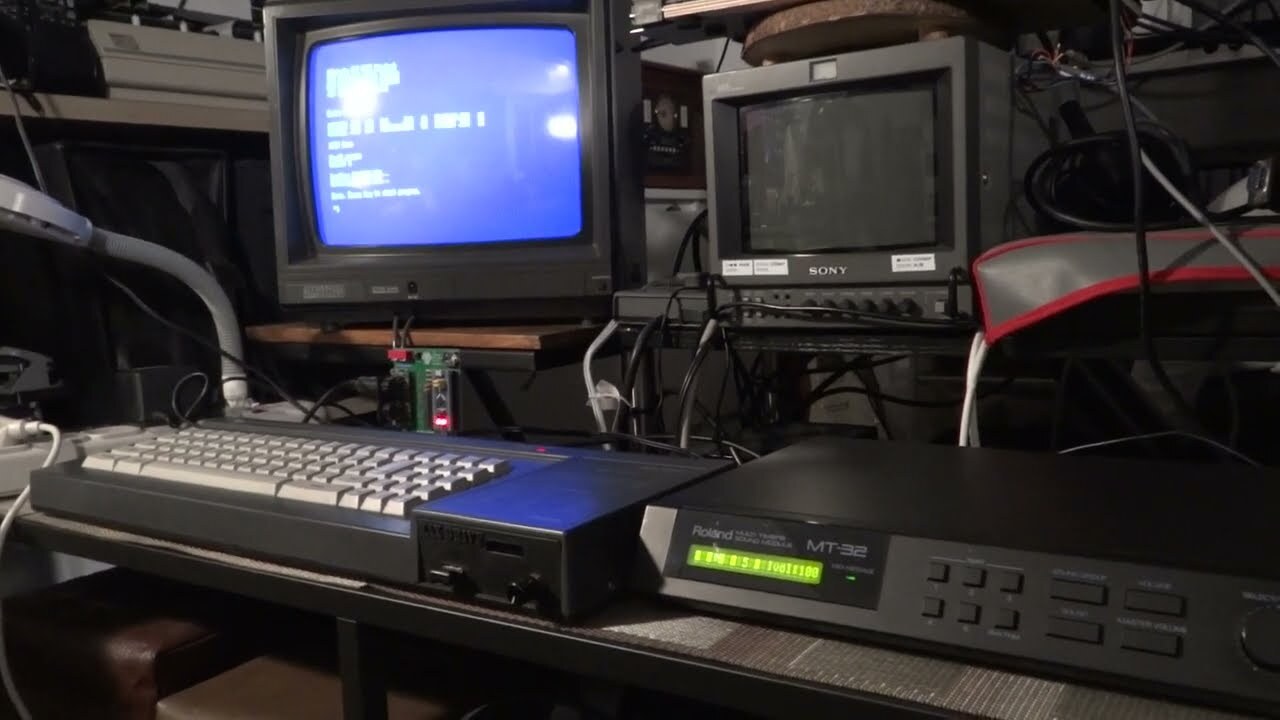
The Roland MT-32 and the CPC 6128
Amstrad CPC Demos
05/2024 - 04/2026
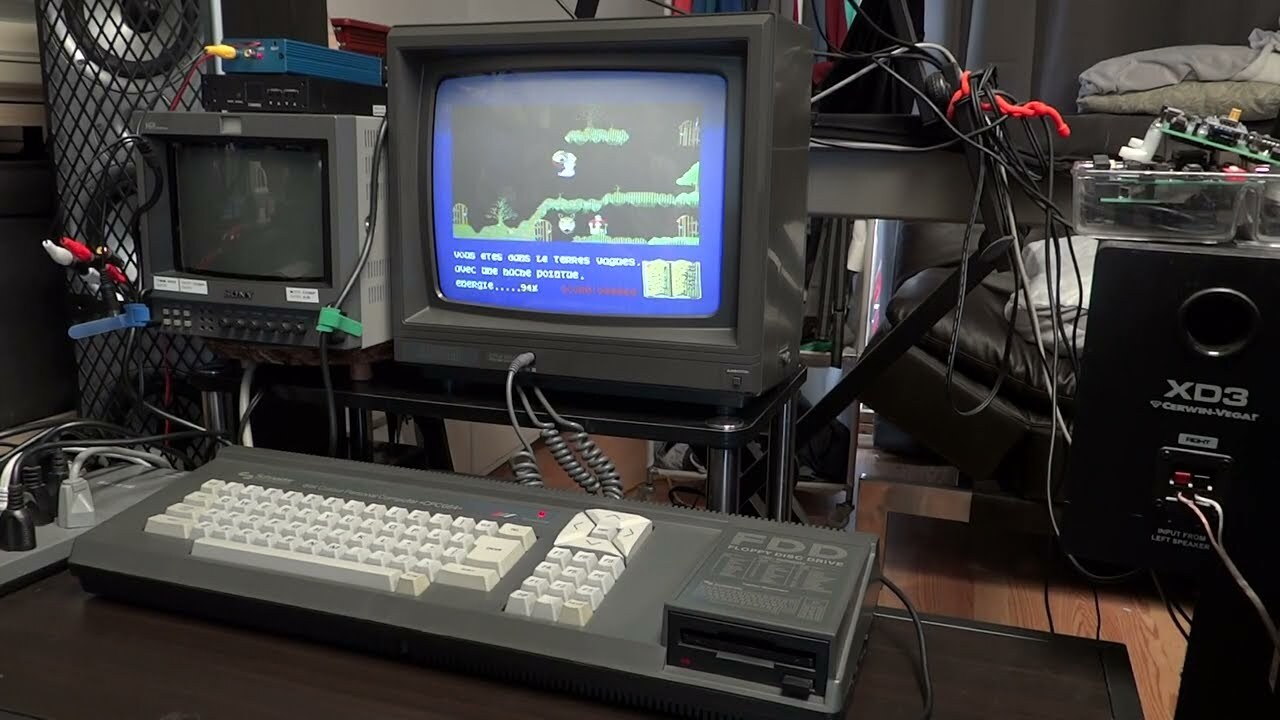
From my collection: the Schneider CPC 664, one of the rarest retro computers - obsolete within months, when the CPC 6128 came out in August 1985 - with Sorcery+ and Fruity Frank; the Roland MT-32 playing through the Ultimate MIDI Card on a CPC 6128; and how to RetroBright yellowed CPC 464 keys with hydrogen peroxide and a lot of sun.
|
|
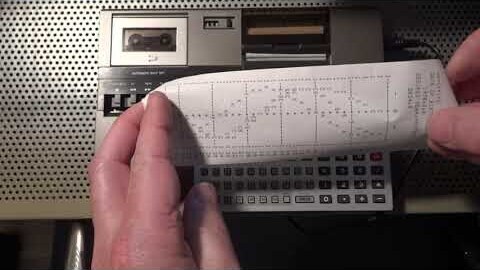
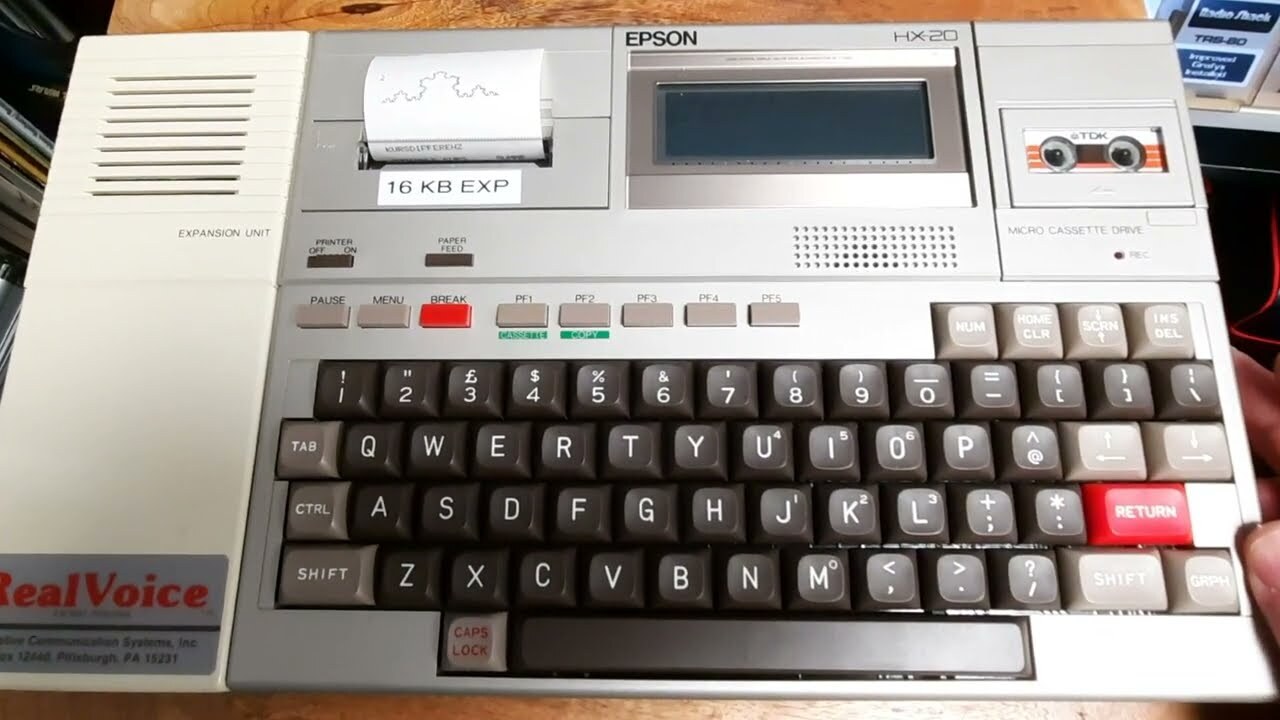
The Sharp pocket computer printing, and the HX-20 with RealVoice
Epson HX-20 and Sharp Pocket Computers
03/2022 - 08/2024
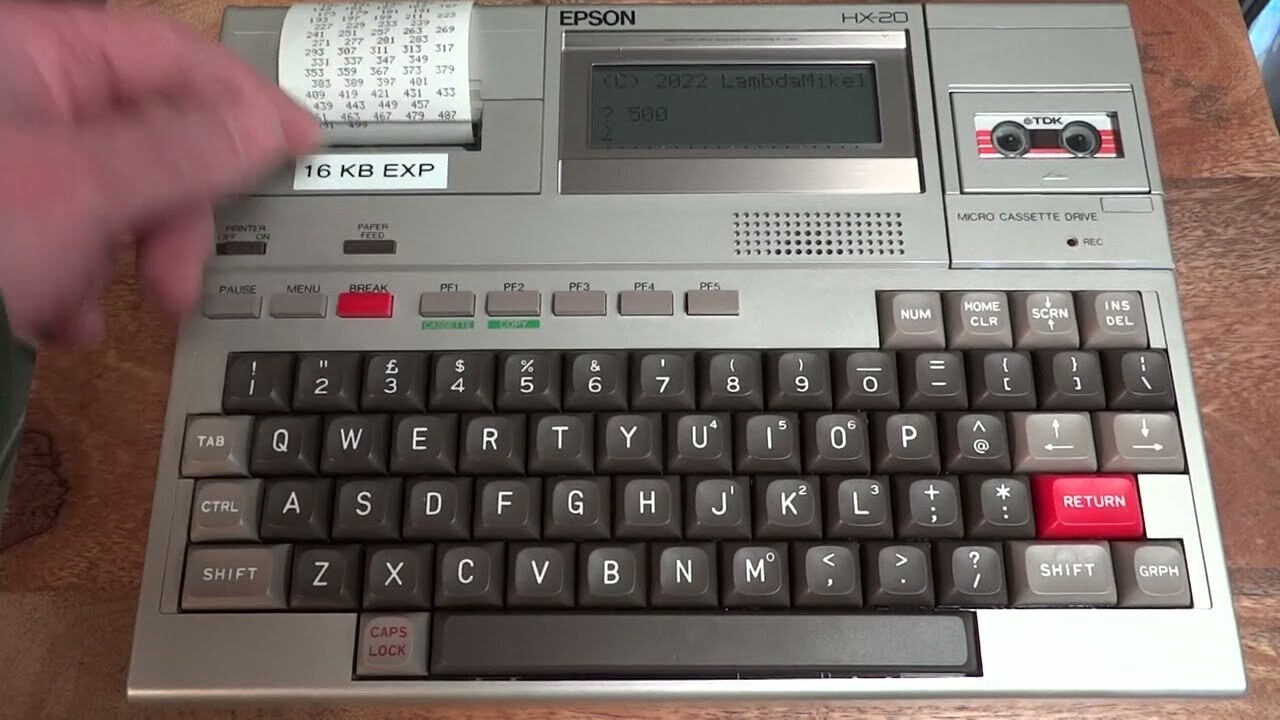
The Epson HX-20 from 1982, arguably the world's first laptop, with its built-in printer and microcassette drive - a prime number challenge, and the RealVoice speech synthesizer for it - and a Sharp pocket computer with the CE-125 cassette and printer combo that I repaired: cassette loading, printing, a biorhythm program and BASIC.
|
|
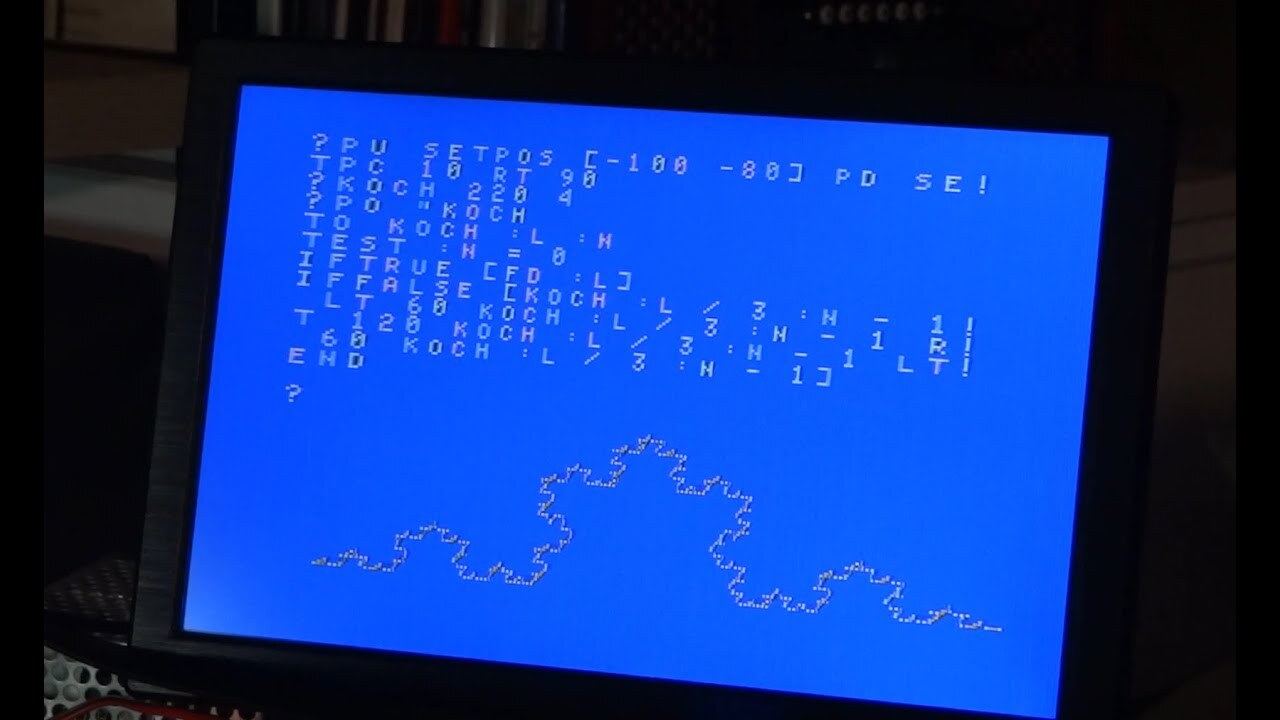
LOGO on the NABU
NABU Computer
12/2022
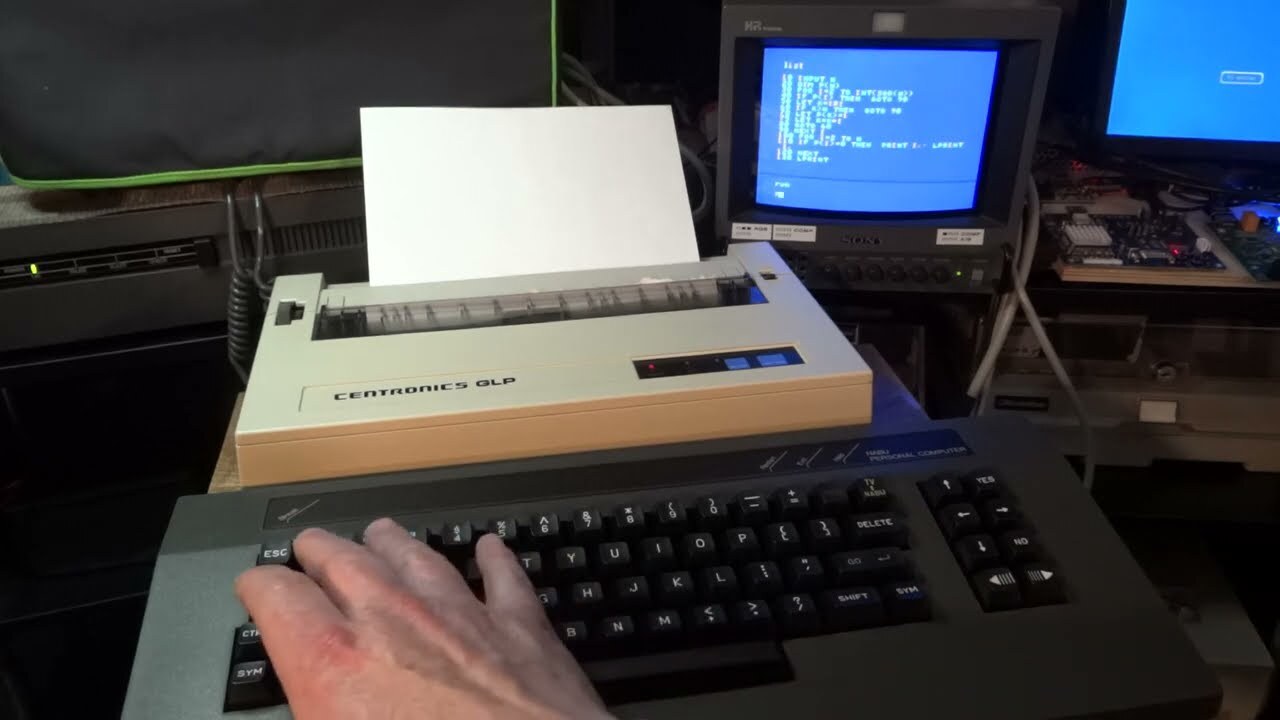
First looks at the NABU personal computer from 1984: games, word processing, BASIC, and NABU LOGO, which I discovered by accident - and the NABU printer mystery, solved with the help of the viewers.
|
|
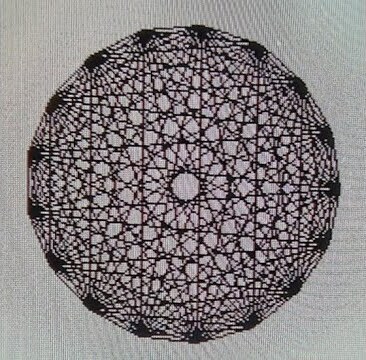
My 1985 graphics program on the Timex 1000 with the Memopak HRG
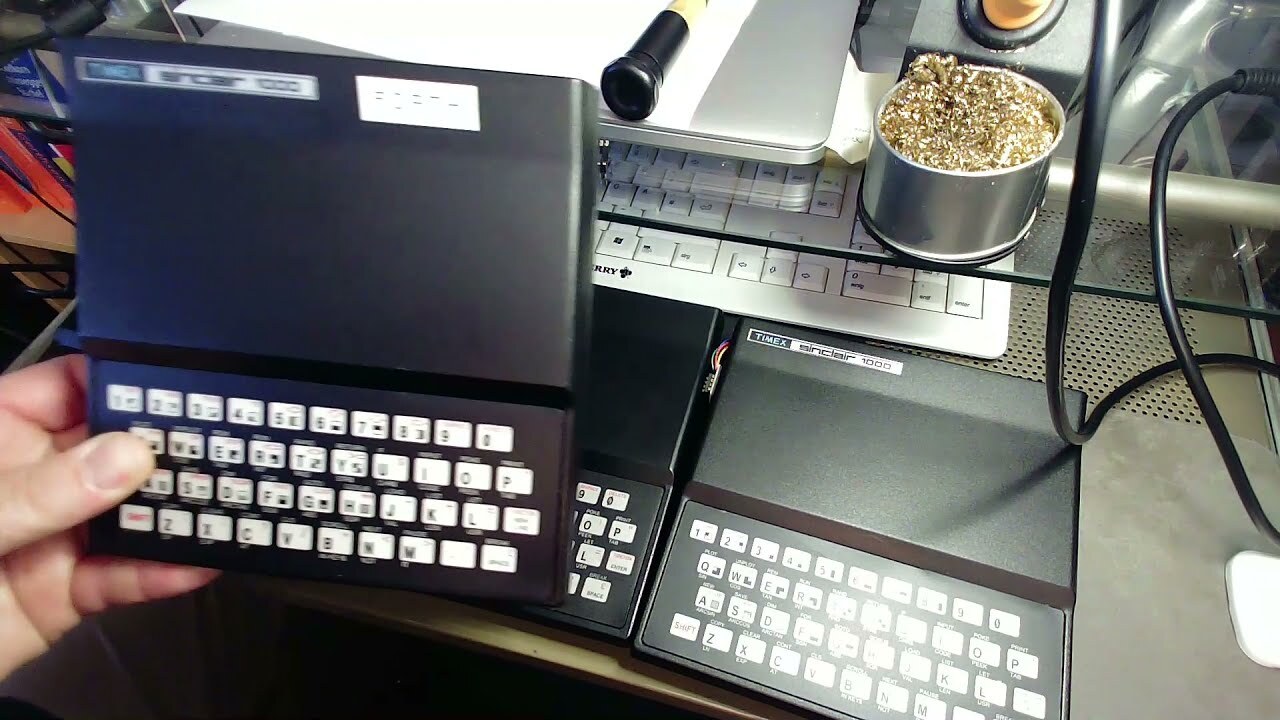
Sinclair ZX81 and Timex Sinclair 1000
01/2022 - 12/2025
Turn your ZX81 or Timex Sinclair 1000 into a Forth workstation with a Forth EPROM - and hi-res graphics with the Memopak HRG from 1982: a little graphics program I wrote for my CPC 464 in 1985, ported to the Timex 1000 forty years later.
|
|
The Atari 1020 plotter printing from AtariWriter
Atari 8-bit Demos
12/2018 - 06/2022
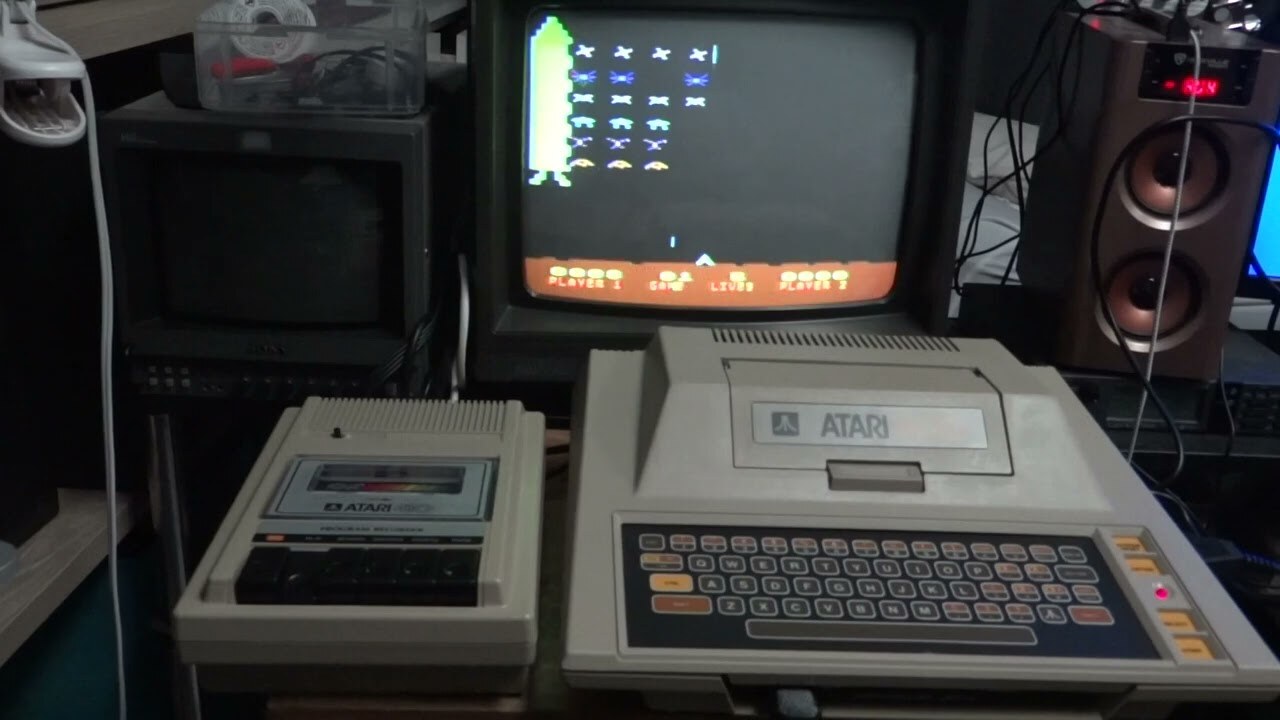
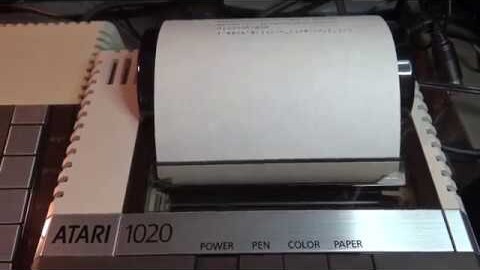
My Atari 800 XL and Atari 400 at work: loading an example program for the Atari 1020 colour plotter from the 1010 cassette drive, word processing with AtariWriter on the 1020 plotter and - via a Supra MPP-1150 parallel interface - on a Centronics GLP printer, and Space Invaders loaded from tape on the Atari 400 with its 410 recorder.
|
|
The Microdrives
Sinclair ZX Spectrum
10/2025 - 11/2025
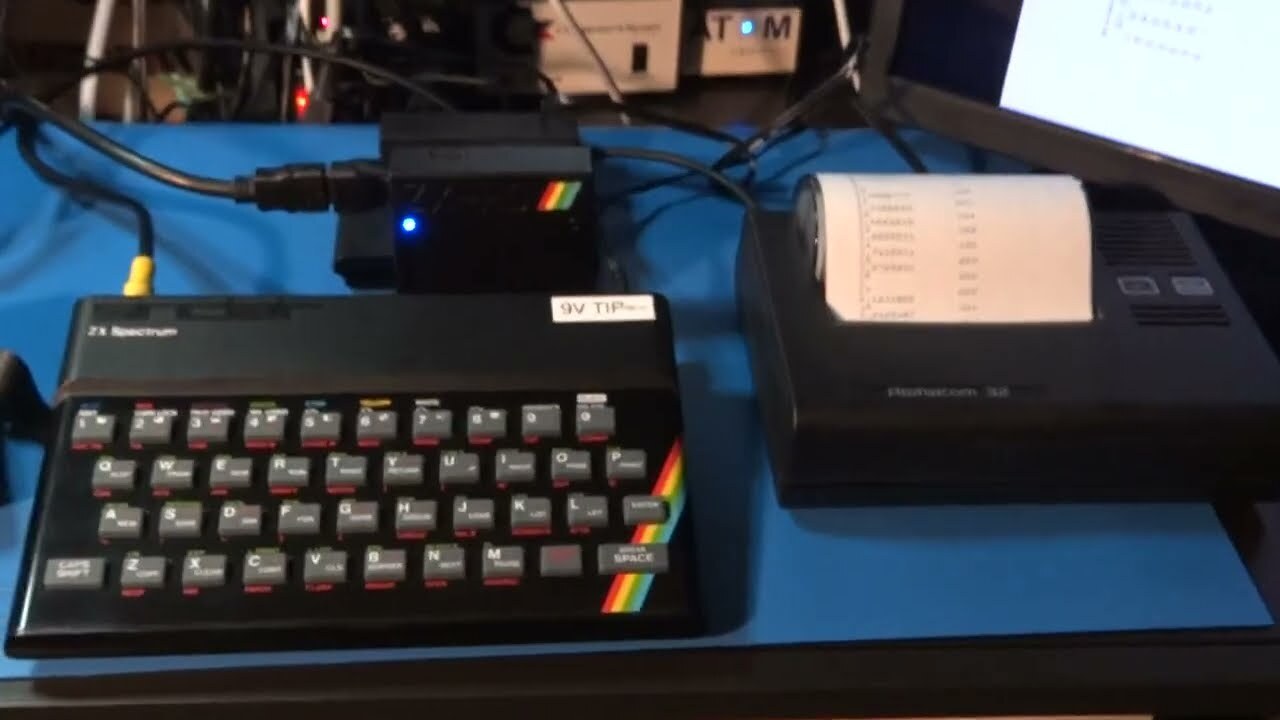
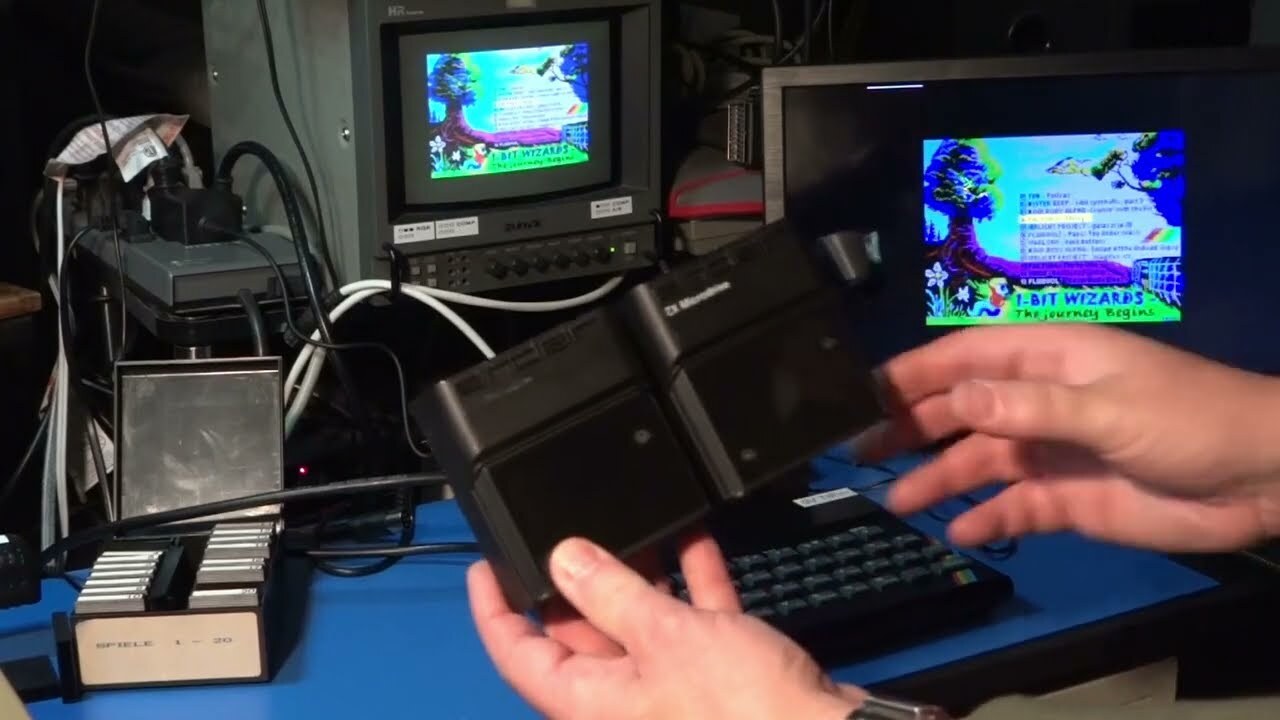
My complete Sinclair ZX Spectrum setup, all original and fully operational: Interface 1 and 2 with the Microdrives, Currah speech, and the Alphacom 32 printer. How to recreate Microdrive cartridges with the ZXPicoMD and Trans-Express, after re-felting the old carts - and the Speccy from Hell, a Halloween repair of a Spectrum+ whose Q, W, E, R and T keys reset the machine. See also LambdaSpeak 1.99 for the ZX Spectrum, above.
|
|
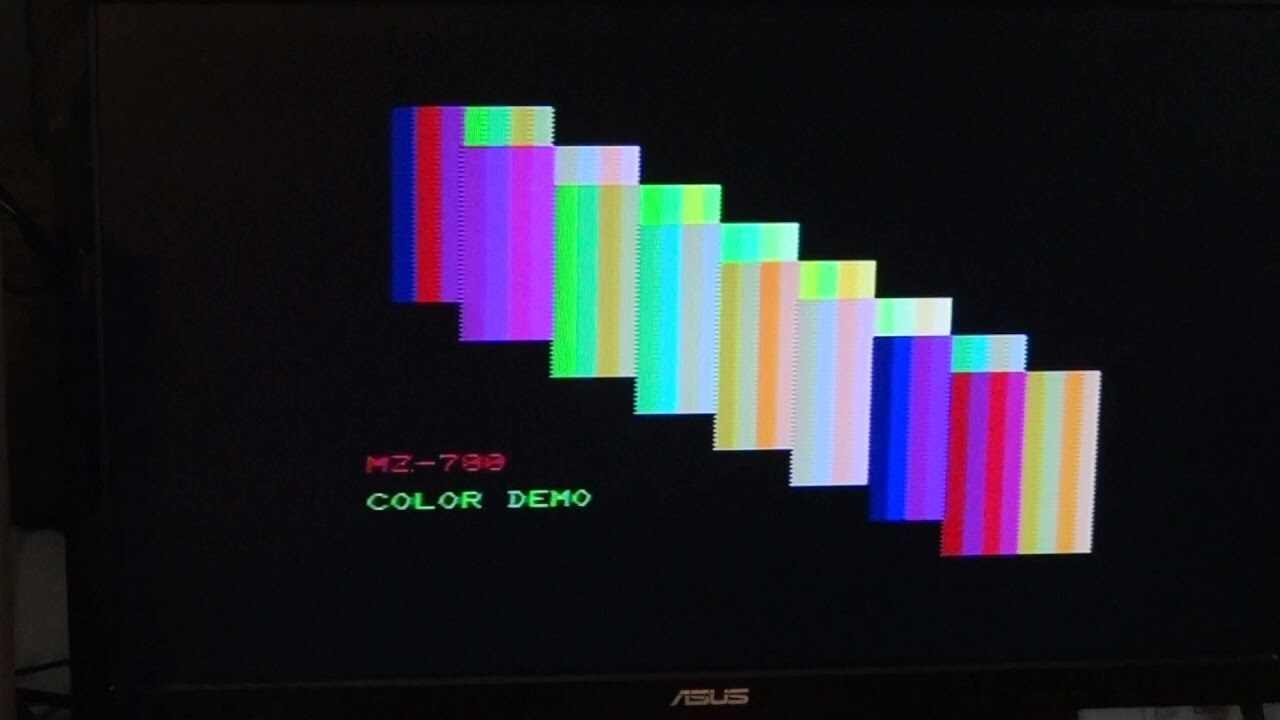
The Sharp MZ-700 colour demo
More from My Collection
09/2018 - 04/2026
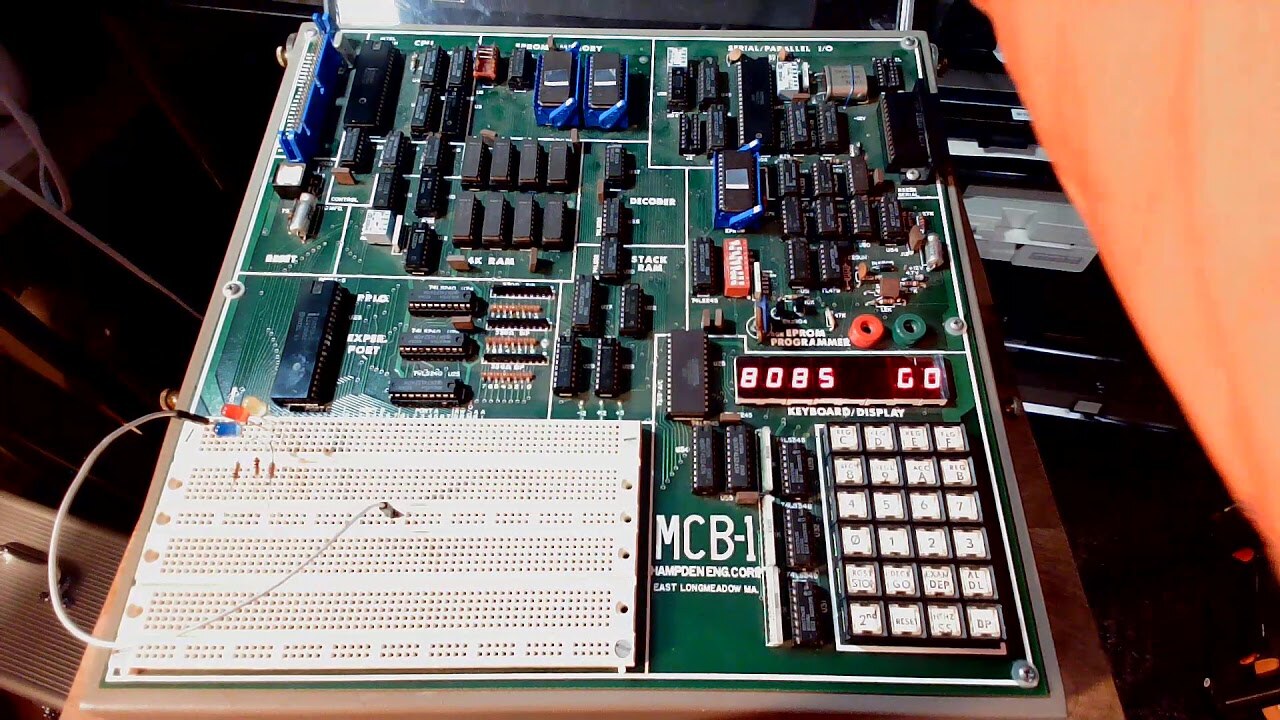
Short demos of other machines from my collection: the Hampden MCB-1 8085 trainer, for which there is literally no documentation on the internet; the Sharp MZ-700 with its department-store BASIC demo; the ultra-rare German Commodore 116, upgraded to 64 KB; the Magnavox Odyssey 2 (Philips G7000) with a BackBit Pro and The Voice; the HP 50g calculator with its infrared printer; and the Pocket C.H.I.P. as a pocket Amstrad CPC.
|
Exhibits
|
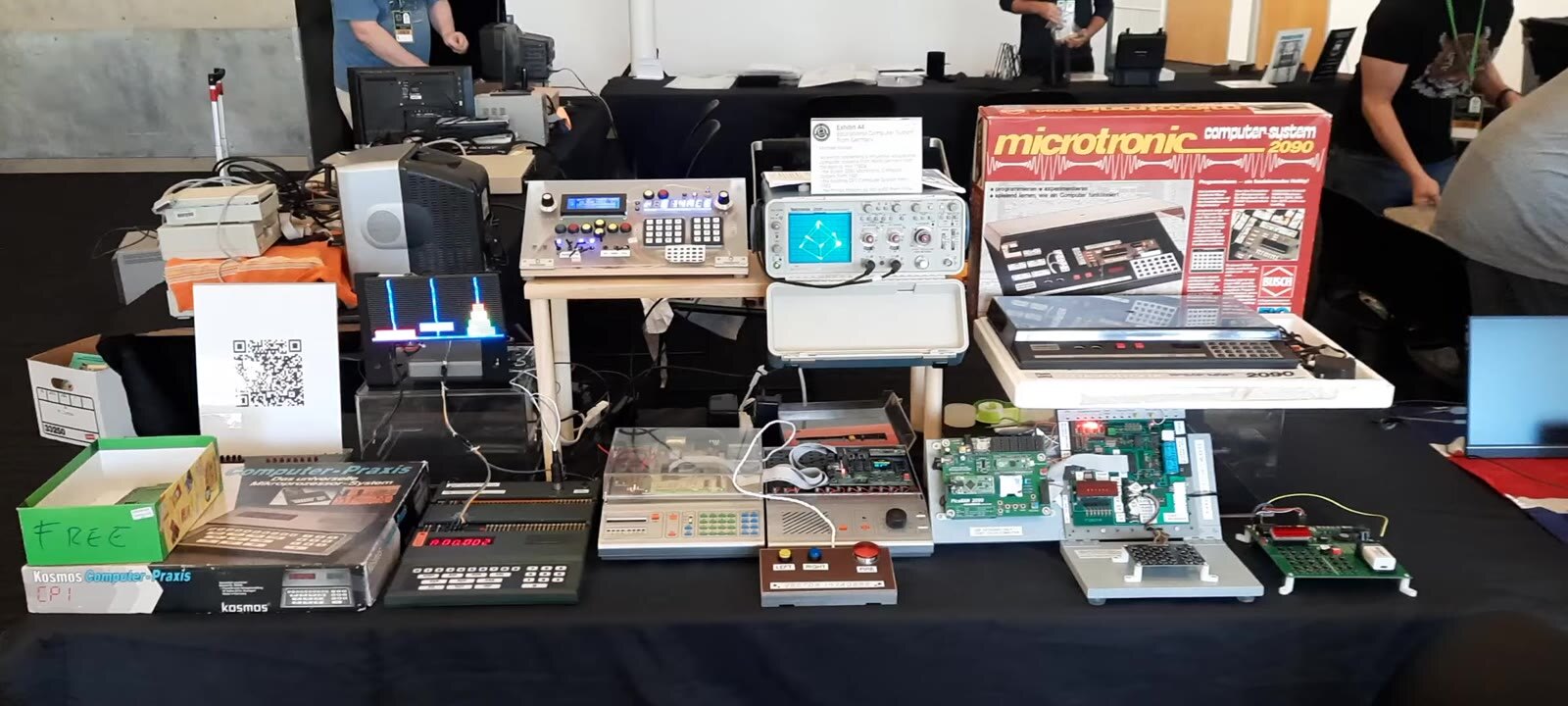
VCF West 2026 exhibit - posters and info material for three 1980s German educational computers (Busch Microtronic 2090, Kosmos CP1, Philips MasterLab MC6400). Claude wrote all the demos shown - for the Microtronic, the Kosmos CP1 and the MasterLab - as well as the posters and presentations.
|
|
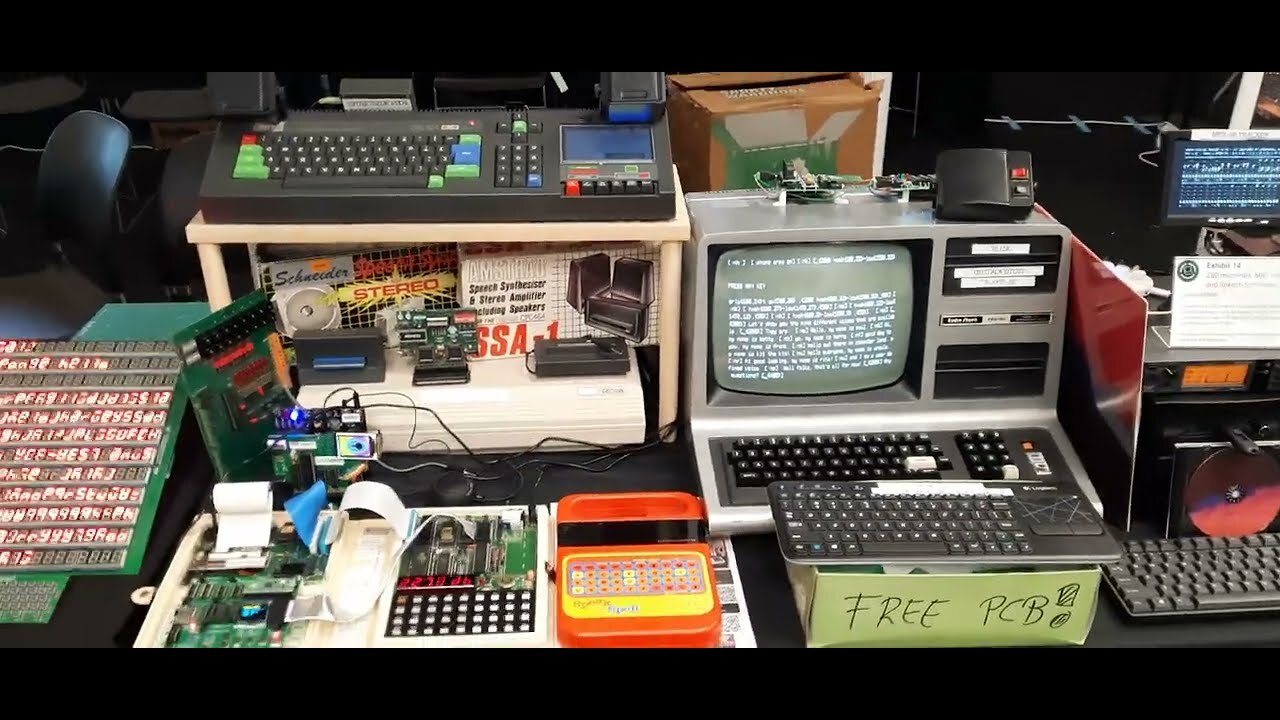
VCF West 2025 Exhibit
08/2025
My exhibit at the Vintage Computer Festival West 2025 in Mountain View, with Talker/80 and MIDI/80 among the projects shown.
|
Teaching and Video Tutorials YouTube playlists: Exploring the Microprofessor, Learning FORTH
|
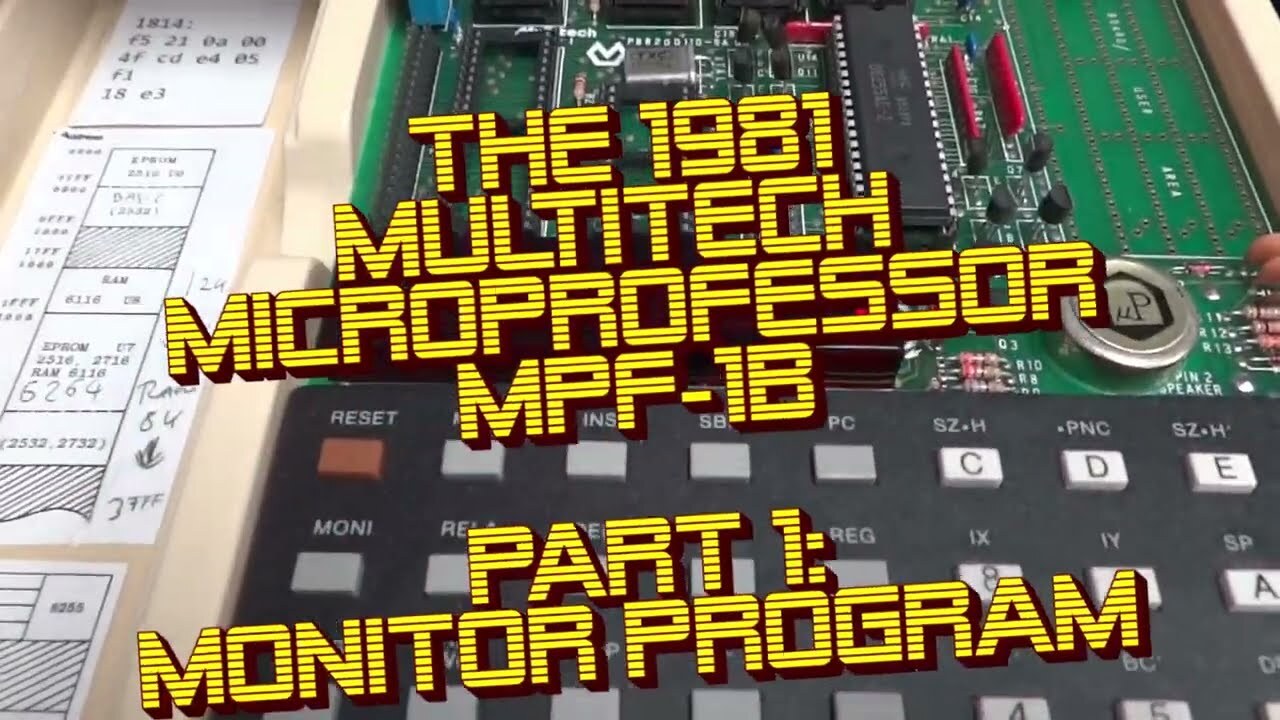
Microprofessor Video Tutorials
01/2022 - 03/2022
A video series on the 1981 Multitech Microprofessor MPF-1B and MPF-1P (MPF-IP), the classic Z80 trainers: the monitor program and Z80 machine-code programming, the line assembler, editor and two-pass assembler, the printer, Palo Alto Tiny BASIC and BASIC, and a five-part introduction to FORTH - from the installation and the stack to defining your own words.
Video: MPF-1B - monitor, Z80 programming, printer
Video: MPF-1B - Palo Alto Tiny BASIC
Video: MPF-IP - monitor, assembler, editor, printer
Video: MPF-IP - BASIC, prime numbers, tape storage
Video: FORTH, part 1
Video: Z80 assembly - Towers of Hanoi with ASM80.com
Video: a modern MPF-1B - the CPU 80 kit by Prof. Wichit Sirichote
Hackaday.io project: Exploring the Microprofessor
YouTube playlist: Exploring the Microprofessor
YouTube playlist: Learning FORTH
|
|
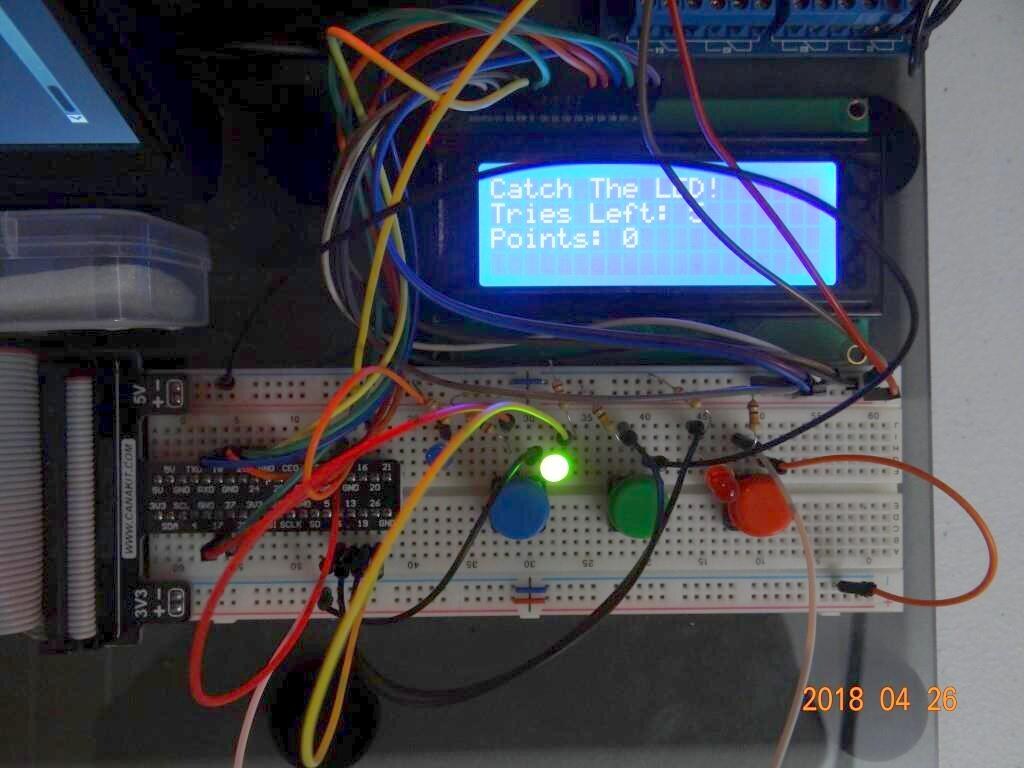
An introductory class on the Raspberry Pi, basic electronics, Python and the Internet of Things that I taught in spring 2018, on seven Sunday afternoons - from the first LED on a breadboard to a reaction game with buttons, LEDs and an LCD display. With all slides and programs.
|
Where It Started

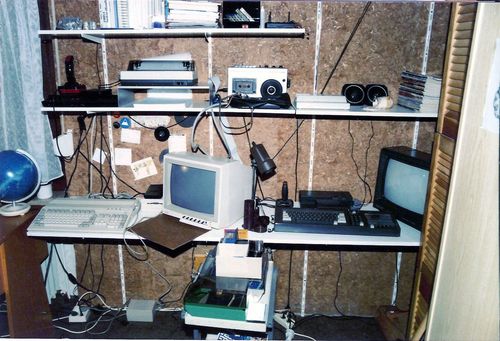
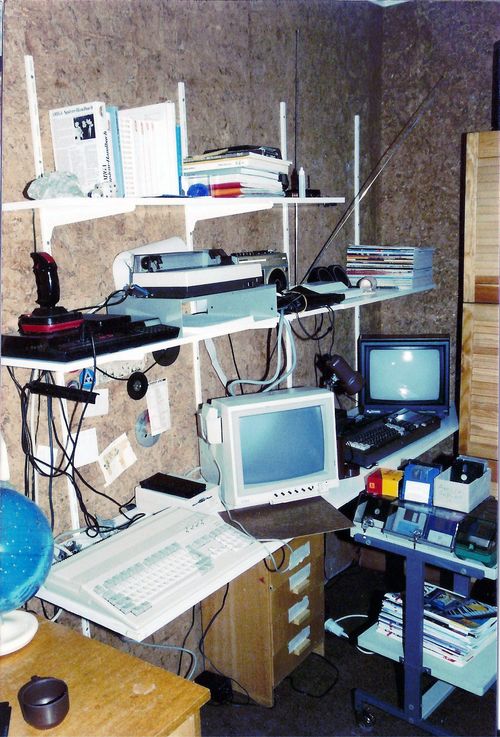
The story is told in 25 Years of Home Computing.
My Collection
My collection of vintage home computers, and a more recent picture gallery of it, from April 2023.
I once owned a Symbolics 3645, from 1999 to 2003! Sadly, the machine is no longer with me. Here is the picture gallery of my Symbolics 3645 Lisp Machine.